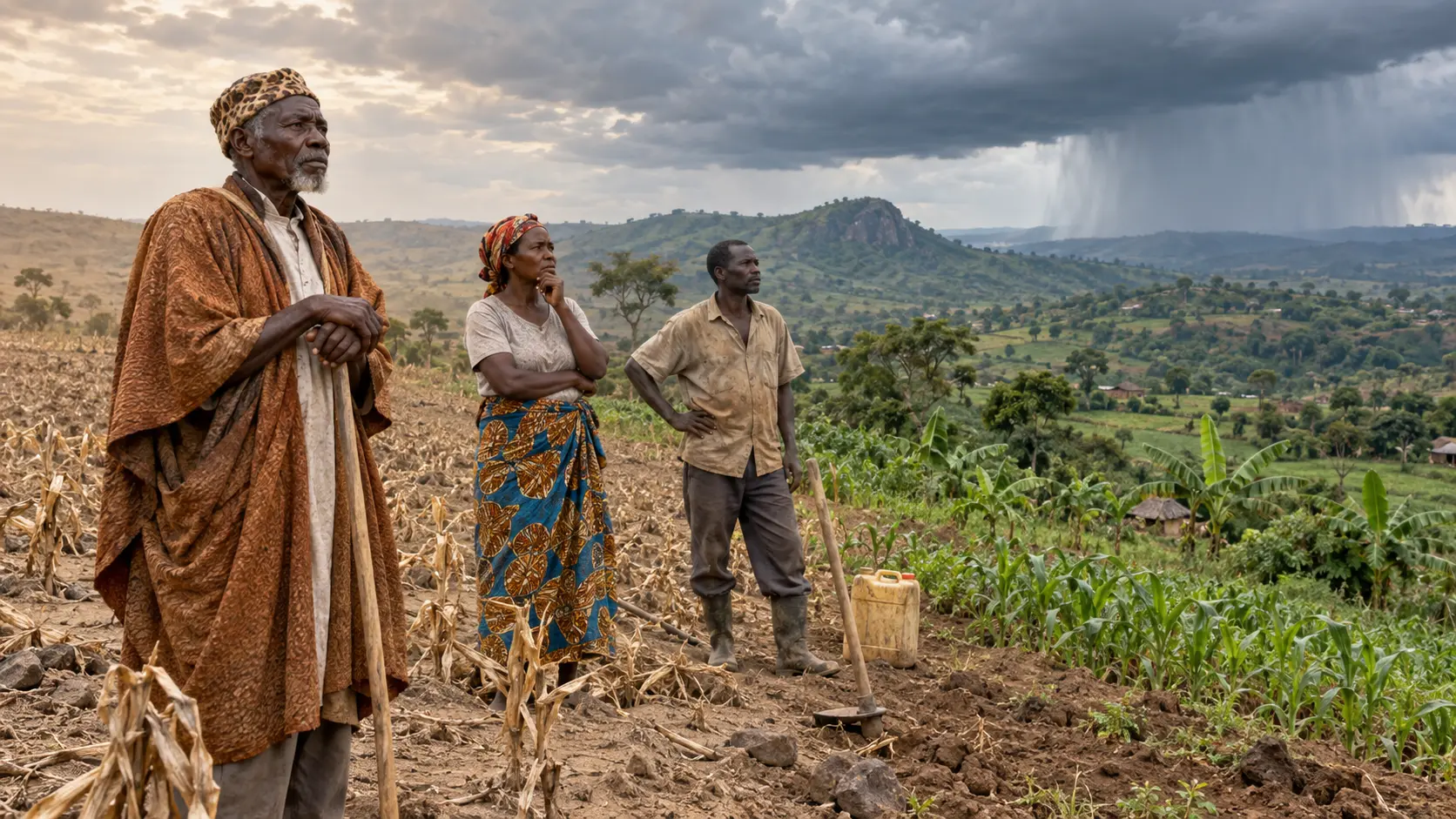
Traditional rainmakers in parts of eastern Uganda and South Sudan are facing assaults, detention and, in the most extreme reported cases, death when rain comes too late, falls too heavily or fails to match the expectations of farming communities. The problem sits at a difficult intersection of spiritual authority, paid services, crop losses and increasingly volatile weather.
Associated Press reporting published on Tuesday, 15 September, centres on David Nabutsilili of Namatsokha village in Uganda’s Namisindwa District. Nabutsilili said farmers chased him after rain flooded vegetable gardens about 16 years ago, causing a fall that broke his thigh bone. He told AP that he still leaves home temporarily when people believe he has failed to bring or stop rain. The account is testimony from Nabutsilili and residents; it is not a court finding against any named attacker.
A living belief under dangerous pressure
Rainmakers are not simply weather forecasters in the communities described. They can be spiritual figures consulted before planting, ceremonies or construction, and clients may pay for help seeking rain or asking that it stay away. AP reported fees in the Ugandan community ranging from small payments to hundreds of dollars. That exchange can sharpen anger when a promised outcome does not occur and money is not returned.
Joseph Weyusya, an elder in the Bagisu cultural institution Inzu ya Masaaba, told AP that rainmakers have sometimes been beaten almost to death when rains fail. The report said no Ugandan rainmaker was known to have been killed in these recent cases, although some had been assaulted or reported to authorities over alleged false pretences. Allegations of fraud and acts of mob violence are separate issues: complaints require lawful investigation, while assault is not a legitimate remedy.
The danger has been deadlier across the border in South Sudan. AP reported that Solomon Oture was buried alive in Lohobohobo during a 2024 dry spell and that Albino Lobillia was abducted and buried alive in June 2026 after a prolonged drought, according to witnesses and a relative. Those accounts identify reported killings and community beliefs about motive; they do not establish that drought alone caused the crimes or erase the responsibility of the people involved.
What the weather evidence can—and cannot—prove
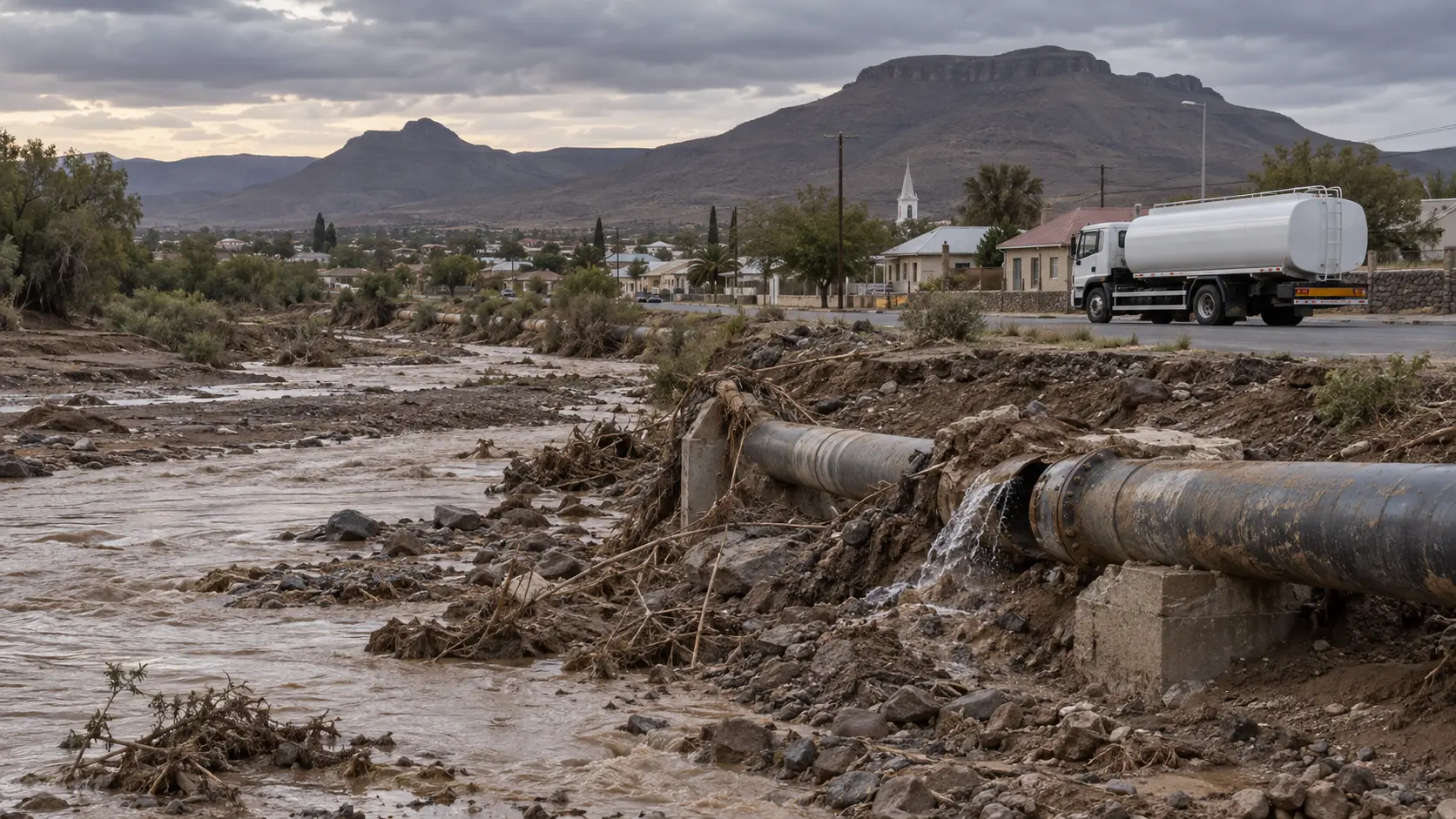
Weather stress is real. Uganda’s Ministry of Water and Environment said on 31 August that the September-to-December 2026 rainy season was beginning late in many areas but was expected to become wetter than normal, with the heaviest rain in October and November. Its forecast warned of both agricultural opportunity and risks including flooding, crop damage, pests, disease and disrupted transport. A late start followed by intense rain is exactly the kind of sequence that makes planting decisions harder.
Longer-term evidence also points to growing exposure. The World Bank’s 2025 Uganda Country Climate and Development Report says climate shocks already cause income losses among 80 per cent of the poorest exposed households. It projects more volatile crop yields, higher heat stress and greater flood and landslide damage without stronger adaptation. These are modelled risks and national estimates, not proof that climate change produced a specific storm, drought or act of violence in Namisindwa.
Research published in June 2026 on South Sudan’s Lopit communities argues against treating rain-chief killings as a simple, automatic consequence of climate change. The study describes beliefs linking rainfall, morality and political authority, and says drought can expose existing disputes and social tensions. That distinction matters: changing climate conditions may intensify scarcity and uncertainty, but culture, economic exchange, local conflict and individual choices shape what happens next.
Protection needs more than a forecast
A safer response begins with protection and accountability. Local authorities should investigate threats and attacks, provide secure complaint channels and reject collective punishment. Cultural institutions and community leaders can help make clear that spiritual status does not remove legal rights—and that disputed payments or failed expectations cannot justify assault.
Practical climate services are the other half of the response. Farmers need local forecasts they can understand, planting advice that changes with updated rainfall information, drought-tolerant seed options, drainage, crop insurance and emergency support after losses. Uganda’s seasonal outlook specifically urges farmers to follow short-range updates rather than rely only on a seasonal headline.
The deeper lesson is not that tradition and meteorology must be forced into a contest. Communities can respect spiritual and cultural practice while treating official forecasts as probabilistic tools and violence as a crime. Protecting rainmakers, strengthening farm resilience and explaining uncertainty together offers a more credible path than asking any person—scientist or spiritual leader—to guarantee the weather.