A flood that struck Hohoe Municipality in Ghana’s Volta Region on Monday, September 28, 2026 has displaced thousands of residents and damaged hundreds of homes. Ghana’s Presidency said on October 2 that preliminary National Disaster Management Organisation data counted 5,140 displaced residents and 412 damaged houses across seven communities. Those are early official figures, not a final loss assessment.
The flooding followed a nine-hour downpour that began on the night of Sunday, September 27, according to the Ghana News Agency. The Presidency and GNA say continuous rainfall in neighbouring Togo sent additional water down the Dayi River, which overflowed into low-lying riverside communities, especially Hohoe Zongo. The available official reports describe that sequence; they do not yet provide a published hydrological analysis assigning the relative contribution of each factor.
What the preliminary assessment establishes
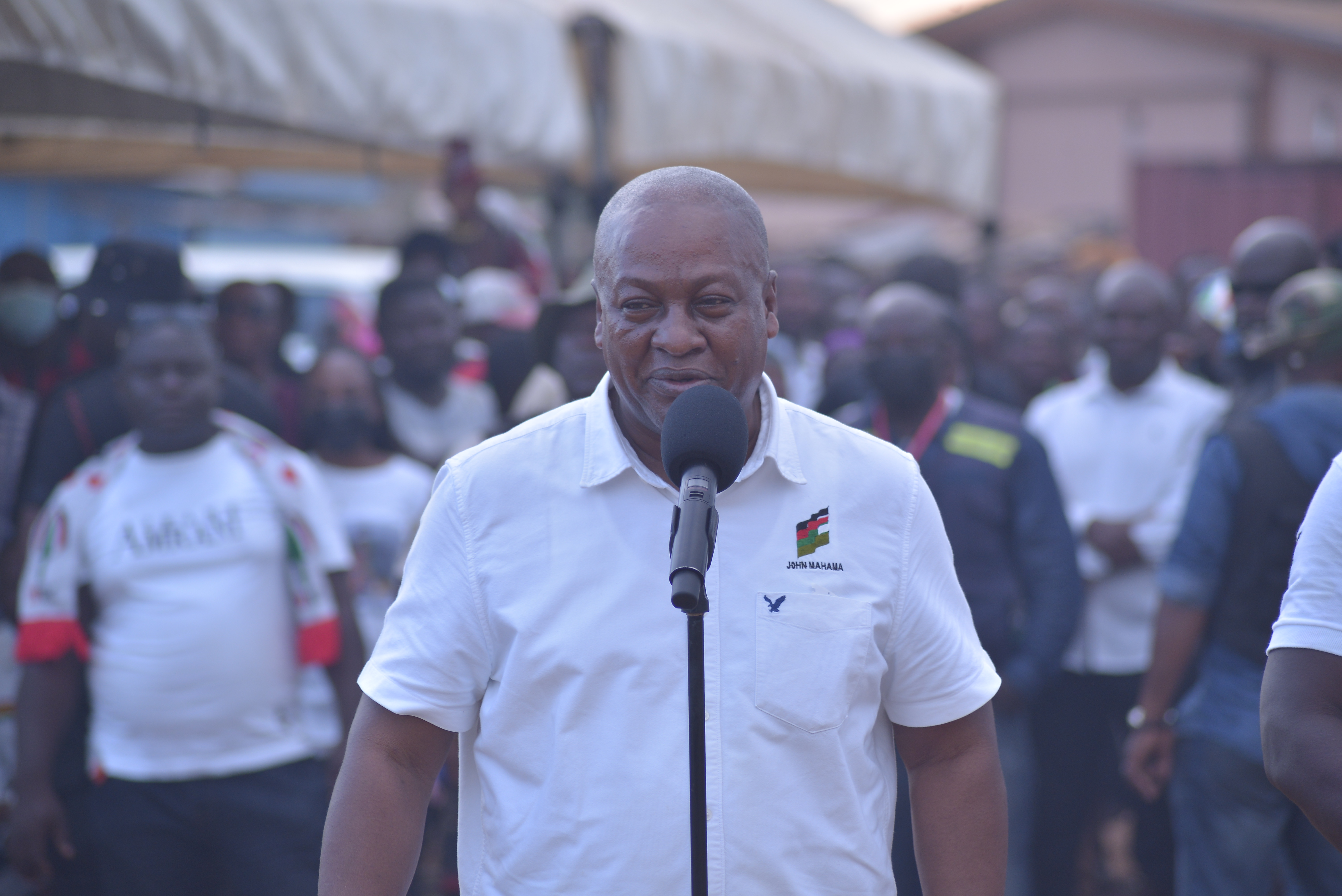
President John Dramani Mahama visited affected homes in Hohoe Zongo on Friday, October 2, met residents and presented relief supplies. The Presidency listed more than 2,500 25-kilogram bags of rice, maize, mattresses, mats, tinned fish, cooking oil, washing powder, roofing sheets, sanitary products and other essentials. The items were handed to a post-flood committee through Volta Regional Minister James Gunu for distribution.
That response matters immediately because displacement removes more than a roof. Families must secure food, medicine, dry bedding, sanitation and a safe place to sleep while trying to protect documents, tools and livelihoods. Relief deliveries can reduce the first shock, but the public record reviewed for this report does not yet provide a household-by-household distribution register or establish that every affected resident has received support.
Relief has begun; recovery has not
The rebuilding promise also contains an important distinction. The Presidency said Dzata Cement had donated 5,000 bags of cement for people whose buildings were affected. GNA reported appeals for building materials and warned residents not to move back into homes before assessments. Donated cement is therefore a contribution to recovery, not proof that damaged structures are safe, that land questions have been resolved or that reconstruction is complete.
Physical access is part of the emergency. A separate GNA report quoted Hohoe Municipal Chief Executive Prosper Kumi as saying three critical bridges were affected. Damaged crossings can isolate neighbourhoods, delay health care and disrupt work and schooling even after floodwater recedes. The reports reviewed do not yet give engineering findings, repair costs or reopening dates, so those milestones should not be assumed.
The next evidence to watch
Mahama linked the disaster to increasingly extreme and unpredictable weather associated with climate change. That is the President’s stated assessment. The immediate, independently checkable facts are the prolonged rain, reported upstream inflow, river overflow, inundated settlements and preliminary damage counts. A fuller account will require rainfall and river-gauge records, mapped exposure, structural inspections and a final NADMO assessment.
The next test is whether emergency assistance becomes transparent recovery: verified beneficiary lists, safe-shelter arrangements, public bridge-repair timetables, support for lost livelihoods and planning that reduces repeated exposure along the Dayi. Until those details are published, the confirmed update is that a serious multi-community flood has displaced more than 5,000 people, official relief is under way and the harder work of safe return and rebuilding remains ahead.