Bright Kontor Osei’s The Right to Appear brings Ghanaian street-vendor lives into an American gallery setting. The artist’s published event listing gives October 9–November 21, 2026 for the exhibition at Downtown Artist Cellar in Malone, New York; the gallery’s indexed calendar lists the same window. This is an introduction to a current exhibition, not a claim that it opened on October 18 or that our reporter attended it.
An artist’s subject, not anonymous scenery
The artist statement reproduced in Adirondack Arts & Entertainment links the work to Osei’s childhood selling goods with his father in Ghana. It describes a combination of portraits, first-person text, murals and sound. The point of that arrangement is worth considering: a market can be represented through the voices of people working there, rather than used only as a colourful backdrop for someone else’s journey.
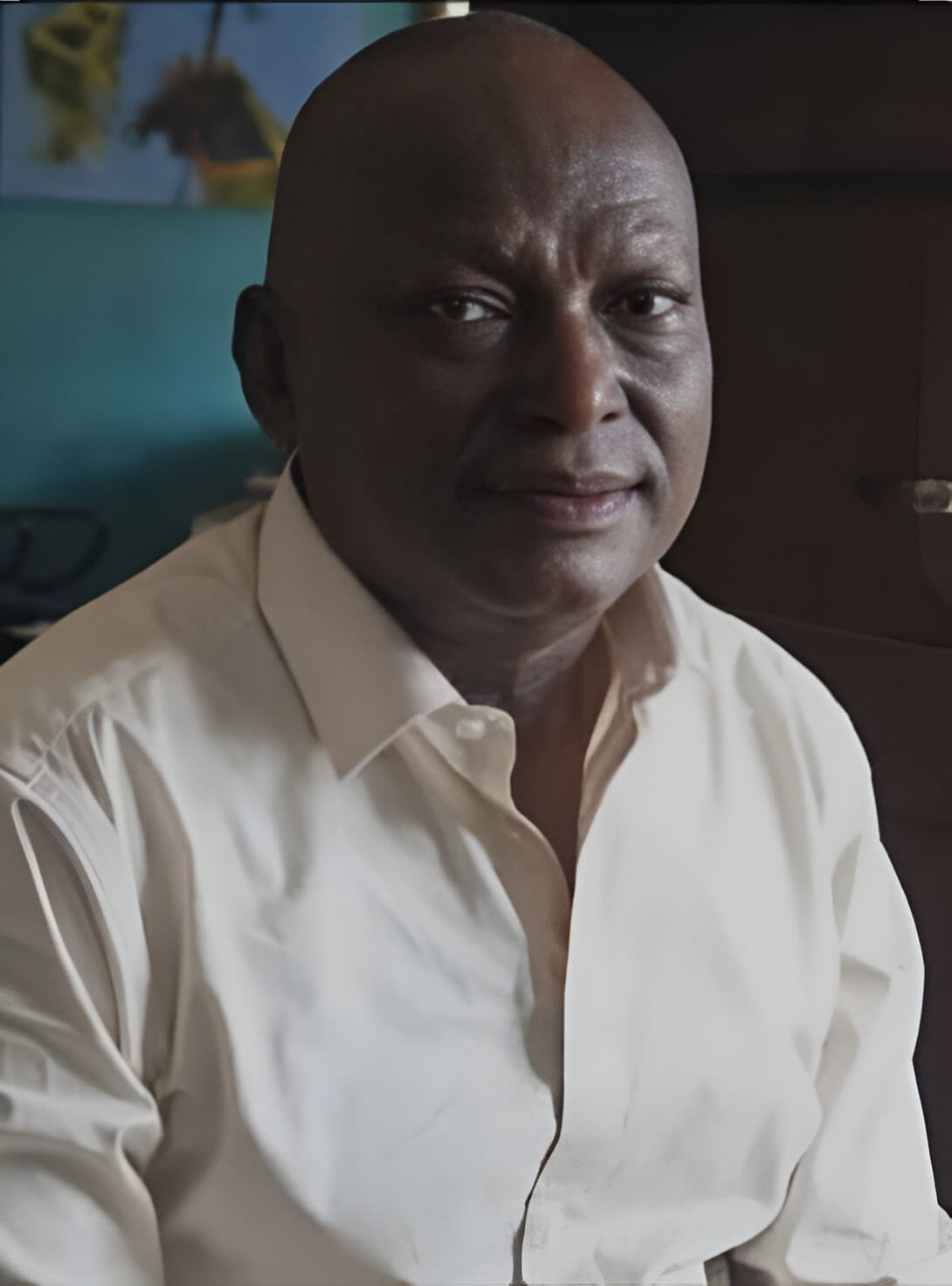
Osei’s own biography identifies him as an artist from Sunyani whose practice examines place, identity and labour. It records art-education studies at the University of Education, Winneba, followed by a painting-and-drawing MFA at Ohio University. That Ghana–United States path provides context for the exhibition without making one artist a spokesperson for every street seller or every Ghanaian abroad.
Look at the relationship between image and voice
For a viewer, a useful starting question is who gets to speak. When a portrait is paired with a first-person account, does the text alter an initial impression of the sitter? Does a familiar description of informal work leave something out? These are questions to take into the exhibition, not observations we claim to have made about individual paintings we have not inspected in person.
The subject also asks something of readers who know markets primarily as shoppers. A transaction can be brief while the work behind it is sustained: preparing a space, caring for stock and building relationships with customers. That is our interpretive lens, not a survey result or a claim about every person represented. It offers a way to think about labour without reducing workers to either hardship or inspirational symbols.
Plan a visit without assuming the timetable
Downtown Artist Cellar gives its address as 410 East Main Street, Malone. Check its current calendar and contact details before travelling, particularly for gallery hours and access requirements. Individual event listings show different sessions, so the overall exhibition window should not be read as a promise that the doors are open at every hour or on every day. No current ticket price is asserted here.
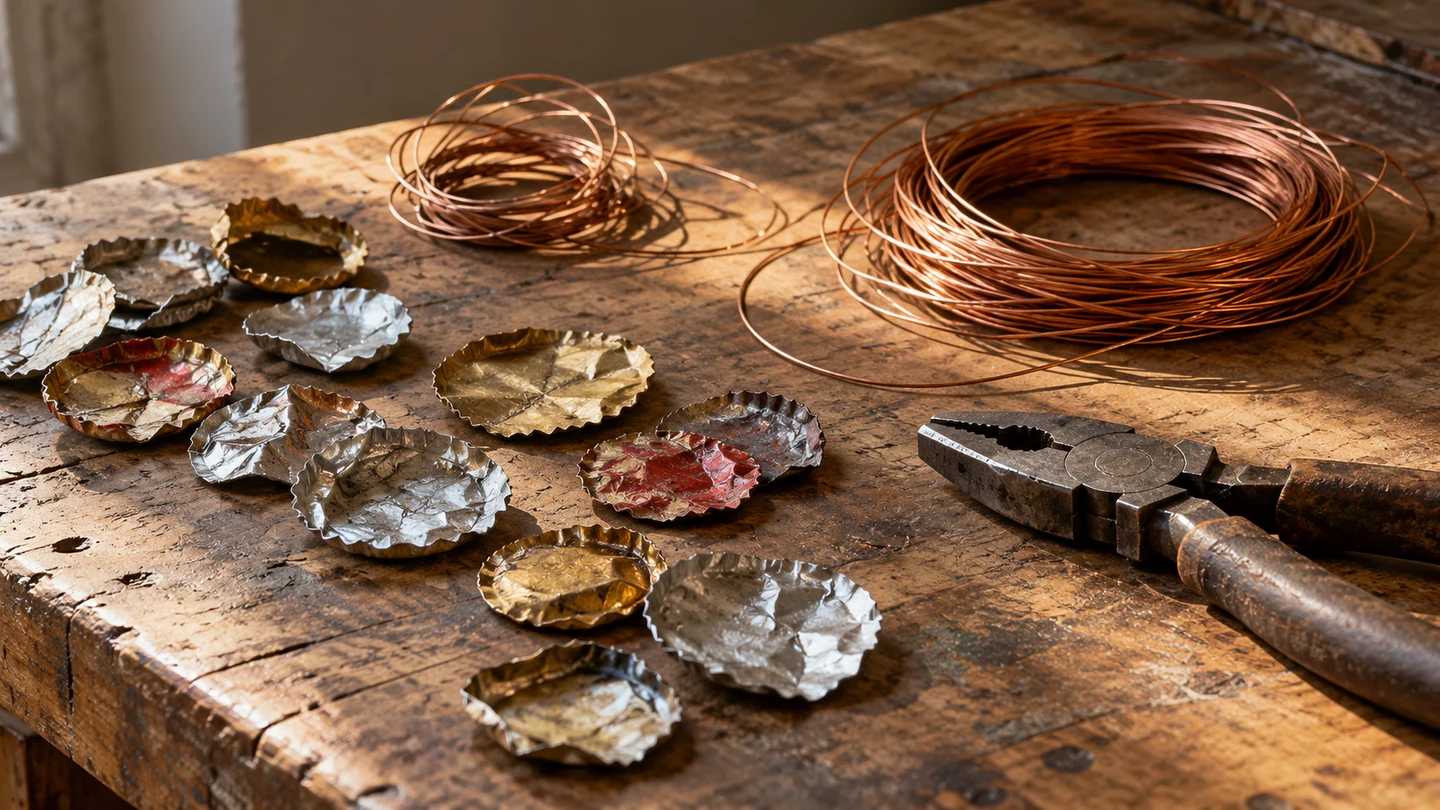
Visitors can also ask what permission applies to photographs, recordings and sharing an artwork online. Supporting an artist’s visibility should include respecting the terms on which that work is reproduced. Our lead image is a labelled conceptual still life, deliberately not an imitation of Osei’s paintings; readers should use the artist’s and gallery’s own pages to see the actual work.
The value of this exhibition’s premise is the invitation to pay closer attention. Ghanaian working lives need not become visible only when attached to a crisis or an economic statistic. Art can create another encounter, while leaving viewers responsible for listening carefully. The account here is based on published programme material and biographical sources; audience responses, attendance and the exhibition’s eventual impact remain unreported.