Benin and the International Fund for Agricultural Development signed a US$37.1 million financing agreement in Cotonou on Monday, October 26, for an eight-year programme intended to expand rural businesses and youth employment. The agreement is confirmed; the jobs, income gains and household reach described with it remain future programme targets.
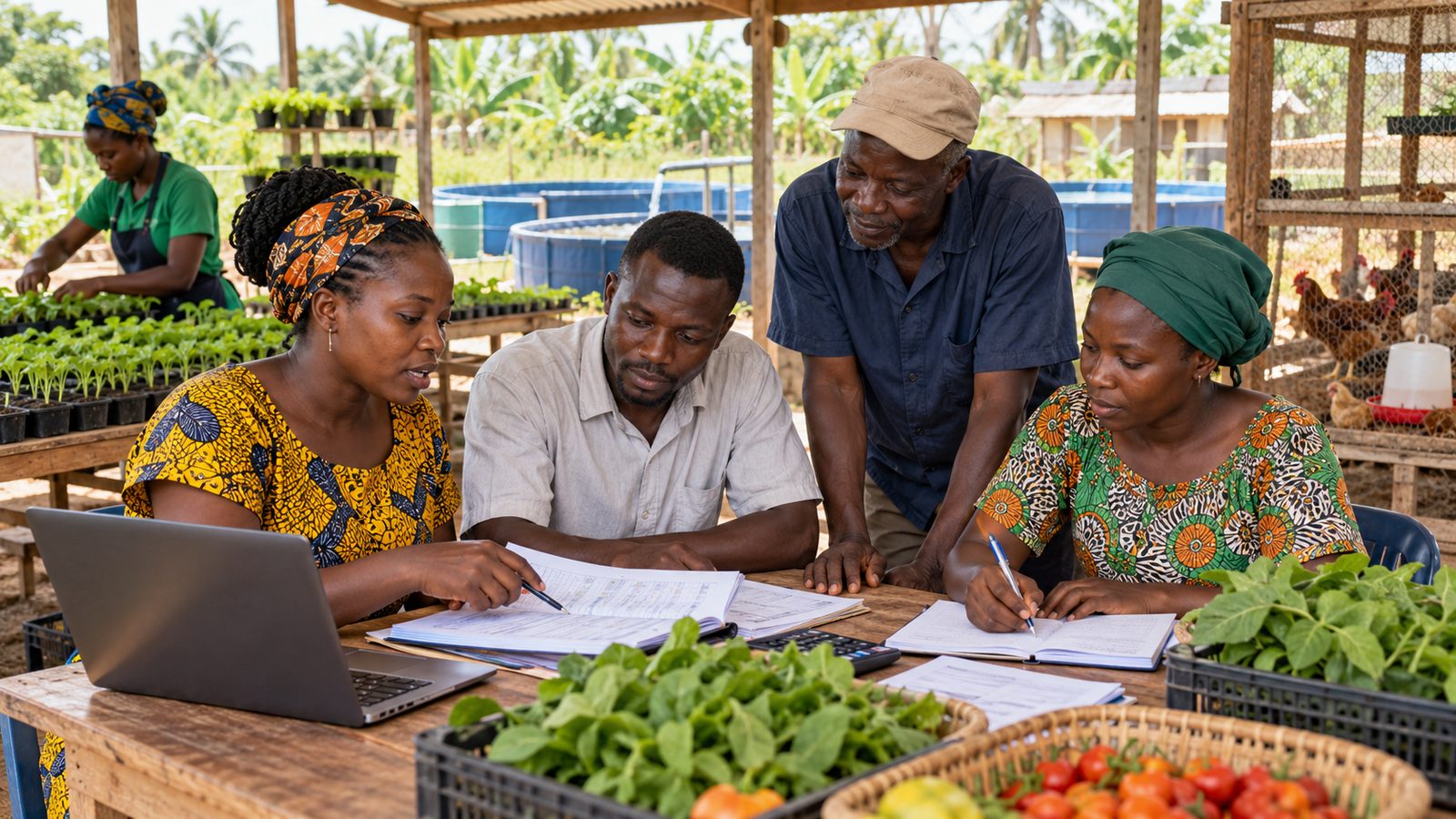
The Programme for the Promotion of Rural Entrepreneurship, known as ProPEA, is designed to combine technical training, startup support, business advice, access to finance and insurance, and links with commercial partners. IFAD says it will work across agriculture, aquaculture and poultry value chains rather than fund one crop or a single national company.
The agreement is one part of a larger financing plan
IFAD places the total programme cost at US$149.1 million. Its own US$37.1 million contribution is therefore about one quarter of the planned total, with the balance expected from the Government of Benin, development partners, the private sector and participants. The public release confirms the signed IFAD agreement; it does not say that every complementary dollar has already been disbursed.
The underlying financing report breaks the IFAD package into two loans of roughly US$14.8 million each and a US$7.5 million loan. It also identifies planned contributions from the OPEC Fund for International Development, the Global Environment Facility and other partners. Those entries are the financing architecture described for the programme, not evidence that every component has reached an entrepreneur.
Who the programme says it will reach
ProPEA is expected to operate across Benin's agricultural development hubs and support about 50,000 rural households, representing more than 360,000 people. IFAD says young people will account for 60 per cent of participants, with inclusion of women and persons with disabilities also built into the design.
By 2033, the programme aims to create employment opportunities for 21,000 young people and help participating households raise incomes through stronger agribusinesses and more resilient farming practices. The date matters: 21,000 is an end-of-programme ambition, not a count of people hired on October 26 and not a guarantee that every participant will receive a permanent wage job.
The design can support several kinds of work, including self-employment, enterprise ownership, farm production, processing and services. Public reporting should therefore define what qualifies as an employment opportunity, whether work is new or sustained, how long it lasts and whether incomes improve after costs and inflation. Without those definitions, a headline job total can hide very different outcomes.
A job target needs a public measurement method
A credible results ledger should publish annual numbers for applicants, selected participants, businesses launched or strengthened, finance approved, insurance taken up, jobs sustained and household-income change. It should also separate women, young people and persons with disabilities without turning the same person into multiple totals.
Training alone will not resolve rural enterprise constraints. Participants will still need reliable electricity and water, affordable transport, storage, animal and plant health services, workable finance terms and access to buyers. Aquaculture and poultry businesses also face feed costs and disease risk, while crop businesses need climate-resilient production and functioning markets.
What rural businesses will need beyond training
The financing terms also deserve plain reporting as implementation begins. Public records should show which part is a grant, loan or participant contribution; which institution carries currency and repayment risk; and whether small rural firms can borrow without collateral rules that exclude the intended beneficiaries. Climate-resilience claims should be tied to named practices and measured results such as lower losses, steadier yields or better water use, rather than treated as a label attached to every supported enterprise.
The signing is the first financing agreement between IFAD and Benin since the agency opened its Cotonou country office in March 2025. IFAD says that since 1978 it has financed 15 programmes and projects in Benin with a combined cost of US$729.6 million, including US$296.6 million in IFAD financing. That history provides scale, but each new programme still needs its own audited record.
The useful public conclusion is precise: Benin and IFAD have signed the US$37.1 million component of a US$149.1 million rural-enterprise programme; its design prioritises young people and three broad value-chain areas; and its 21,000 employment figure is a 2033 target. The next meaningful update should be a dated implementation milestone, beneficiary-selection record or verified disbursement—not a repetition of the launch promise.