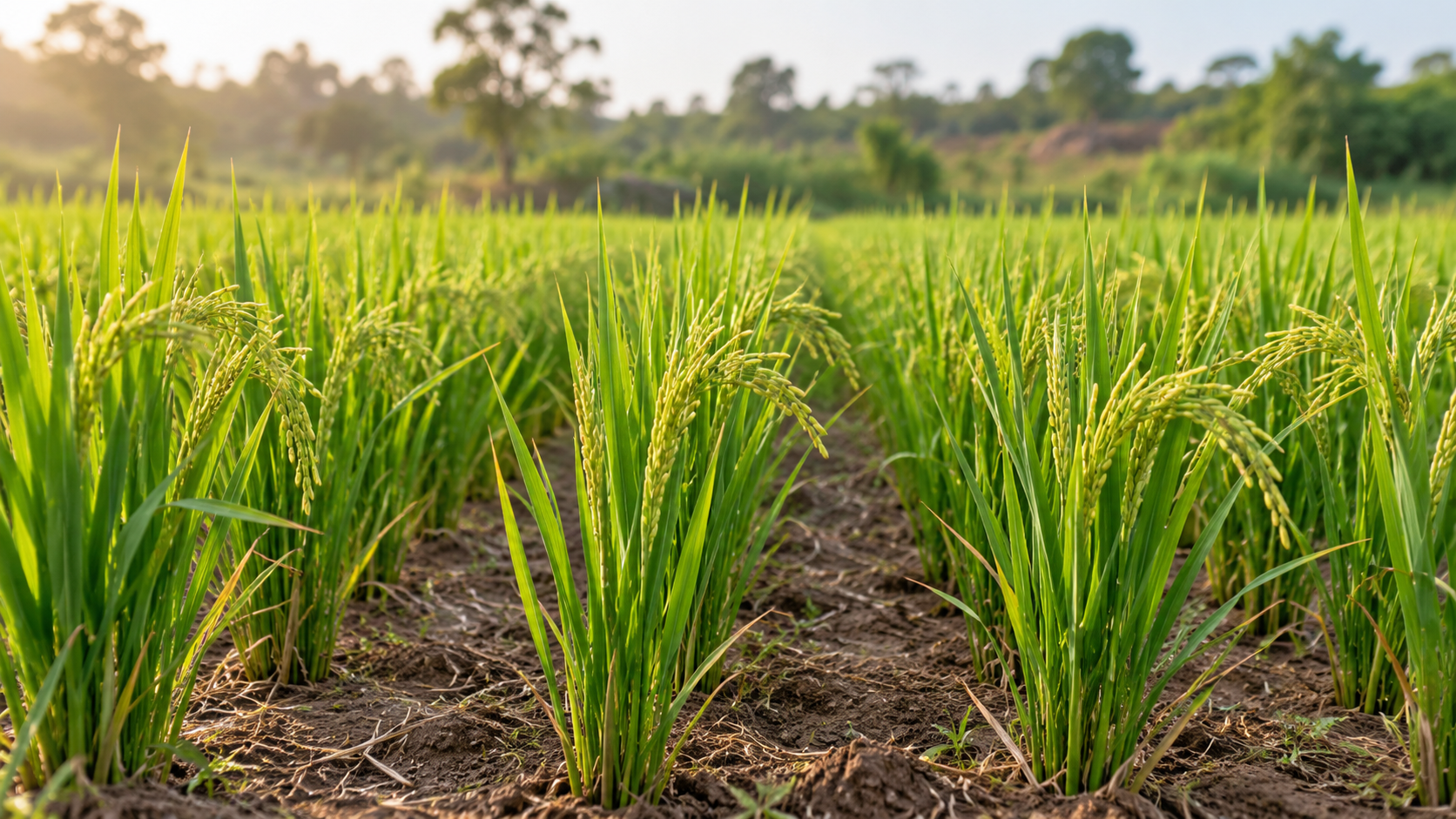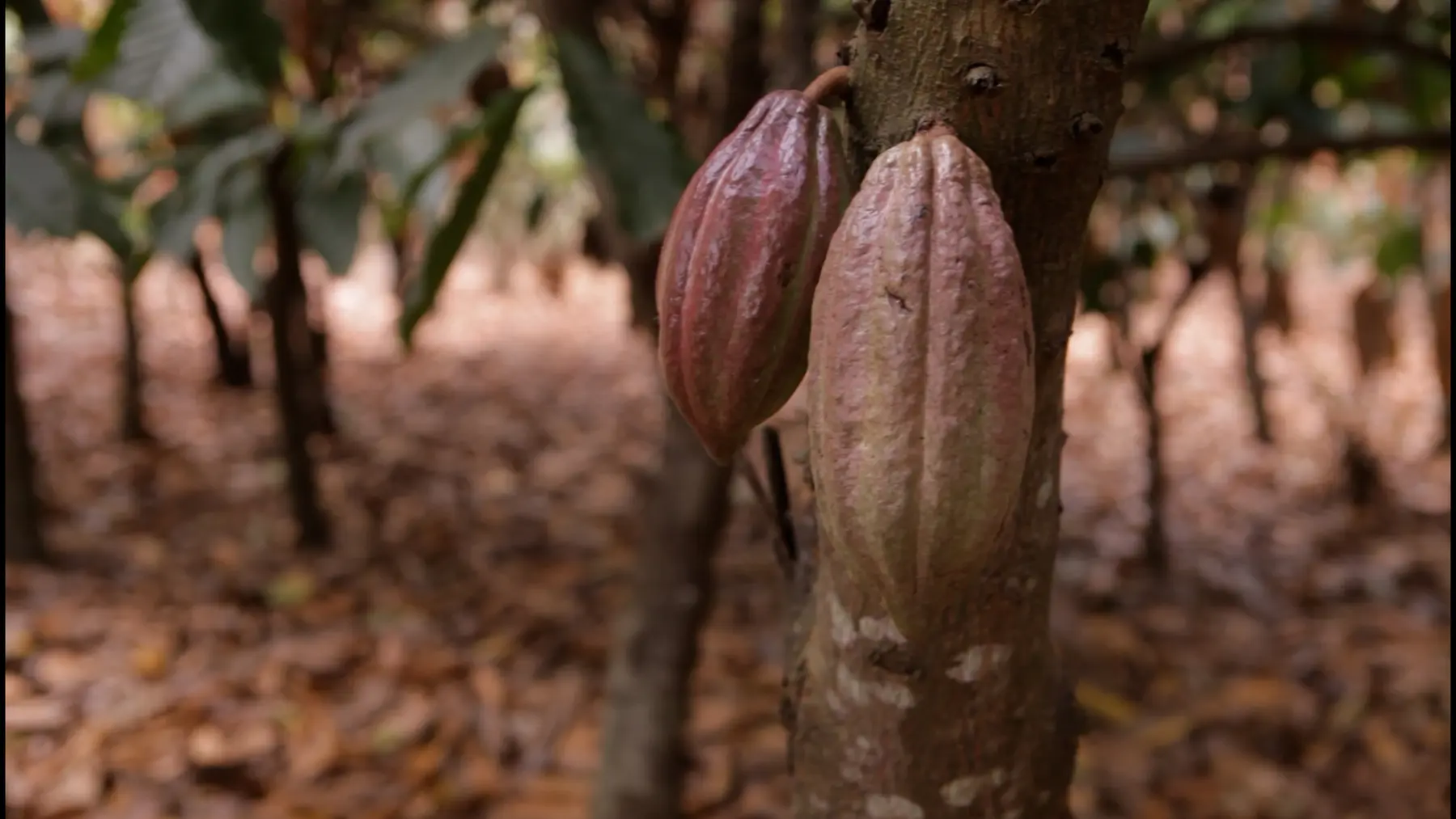
A cocoa tree can tell a grower a great deal, provided the grower knows what to look for. In Yala 1, Côte d’Ivoire, an ANADER field-school session brought 21 producers together for practical training on October 13, 2026. The rural-development agency published its account on October 18. The report offers a close view of agricultural extension at work: people examining plants and practising tasks, rather than a national production forecast or a new cocoa-price announcement.
Learning begins with observation
ANADER says coffee-and-cocoa adviser Ogni Bodo Félix, serving Guinteguela within its Touba zone, led the session. The activities included observing trees and pods, identifying signs of pest damage and discussing integrated pest management. Composting and careful weeding also featured. The agency’s account stresses avoiding injury to fine roots during weeding. These are reported training subjects, not a treatment prescription for every farm or a verified diagnosis of disease across the locality.
The distinction between teaching and diagnosis matters. A programme can discuss brown rot or swollen shoot without demonstrating how widespread either disease is among the participants’ trees. It can demonstrate composting without measuring a subsequent change in soil or harvest. The useful immediate evidence here is that the agency describes a specific group, adviser, date and set of practical exercises. Claims of lasting benefit require a different record.
A session is one part of a longer process
FAO’s explanation of farmer field schools helps put the session in context. It describes learning through direct observation, discussion and decisions in a local production setting. A typical programme follows a production cycle, allowing participants to compare practices and observe what happens over time. ANADER’s report documents one training day; it should not be stretched into proof that a complete season-long programme has been delivered to these growers.
The approach also makes room for farmers’ own judgment. FAO explains that a proposed alternative is not automatically superior to existing practice: participants test and compare it. That is a useful corrective to the idea that extension is simply an expert issuing instructions. Local experience and outside knowledge need to meet in the field, where a recommendation can be examined against the conditions people actually face.
The evidence comes after the demonstration
For this group, the meaningful follow-up would ask what participants tried, whether they could obtain the materials or time required, and what changed across later observations. Our questions would also include costs and how farmers share findings with neighbours. These are measures to investigate, not results already established by the October account. An attendance figure cannot show whether a practice remained useful after the adviser left.
The small scale is part of the story’s value. Cocoa policy often appears as prices and national tonnage, while day-to-day decisions happen around individual trees. Yala 1’s session shows one reported attempt to strengthen those decisions through practical learning. ANADER expects better practices to follow; this article attributes that ambition and leaves the outcome open. The next chapter should be written with observations from the plots and the growers, rather than assumed from the training announcement.