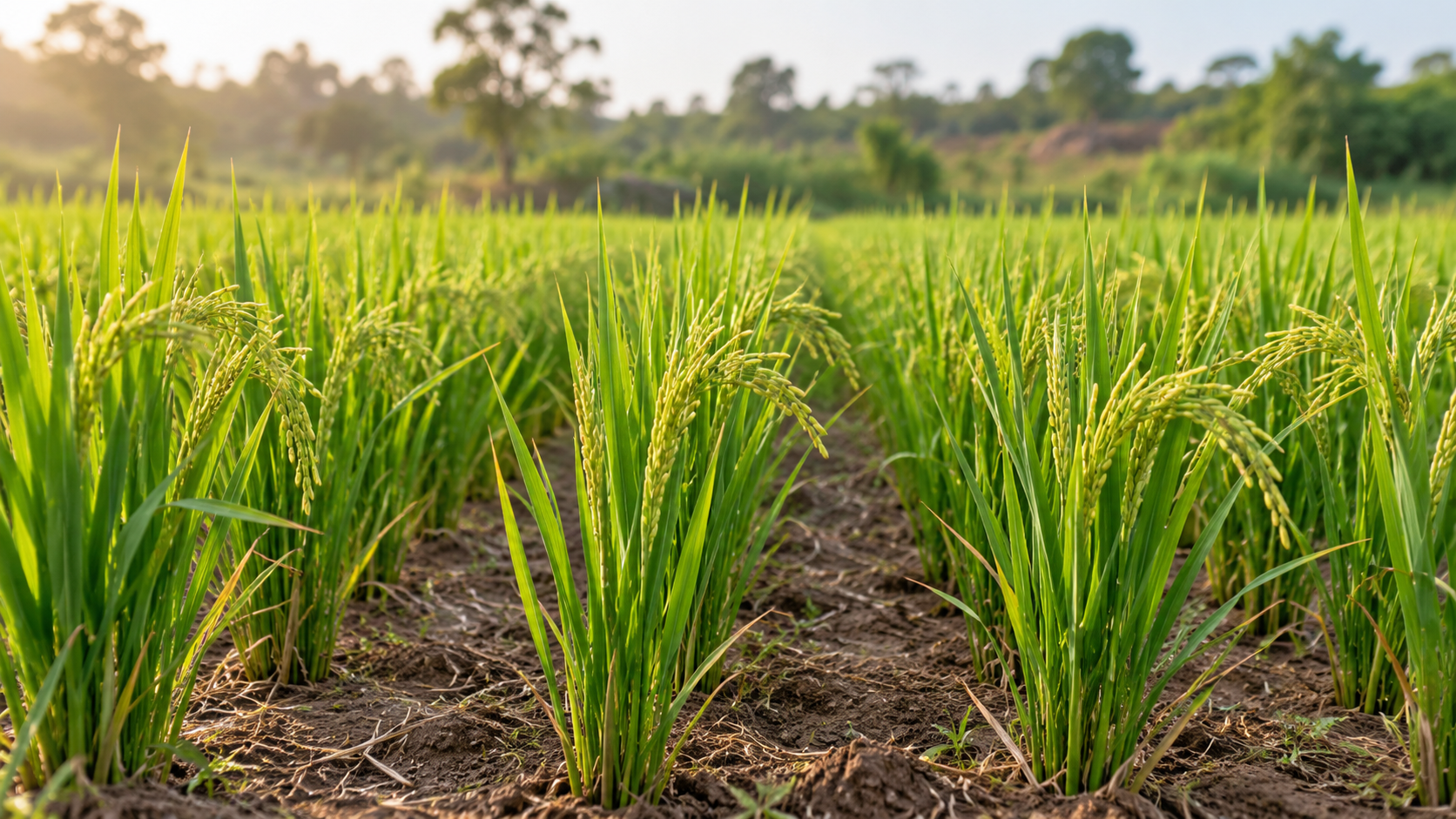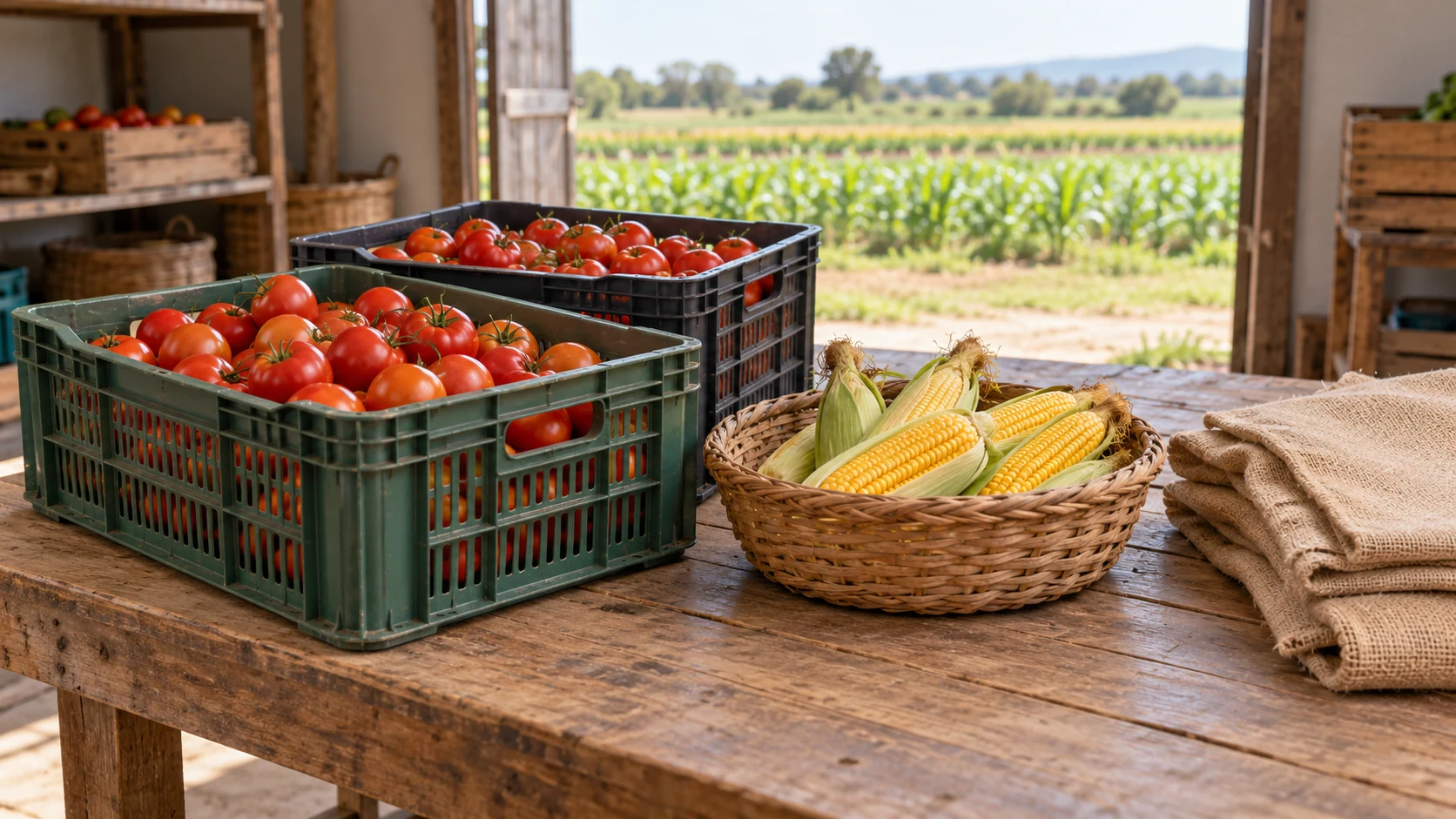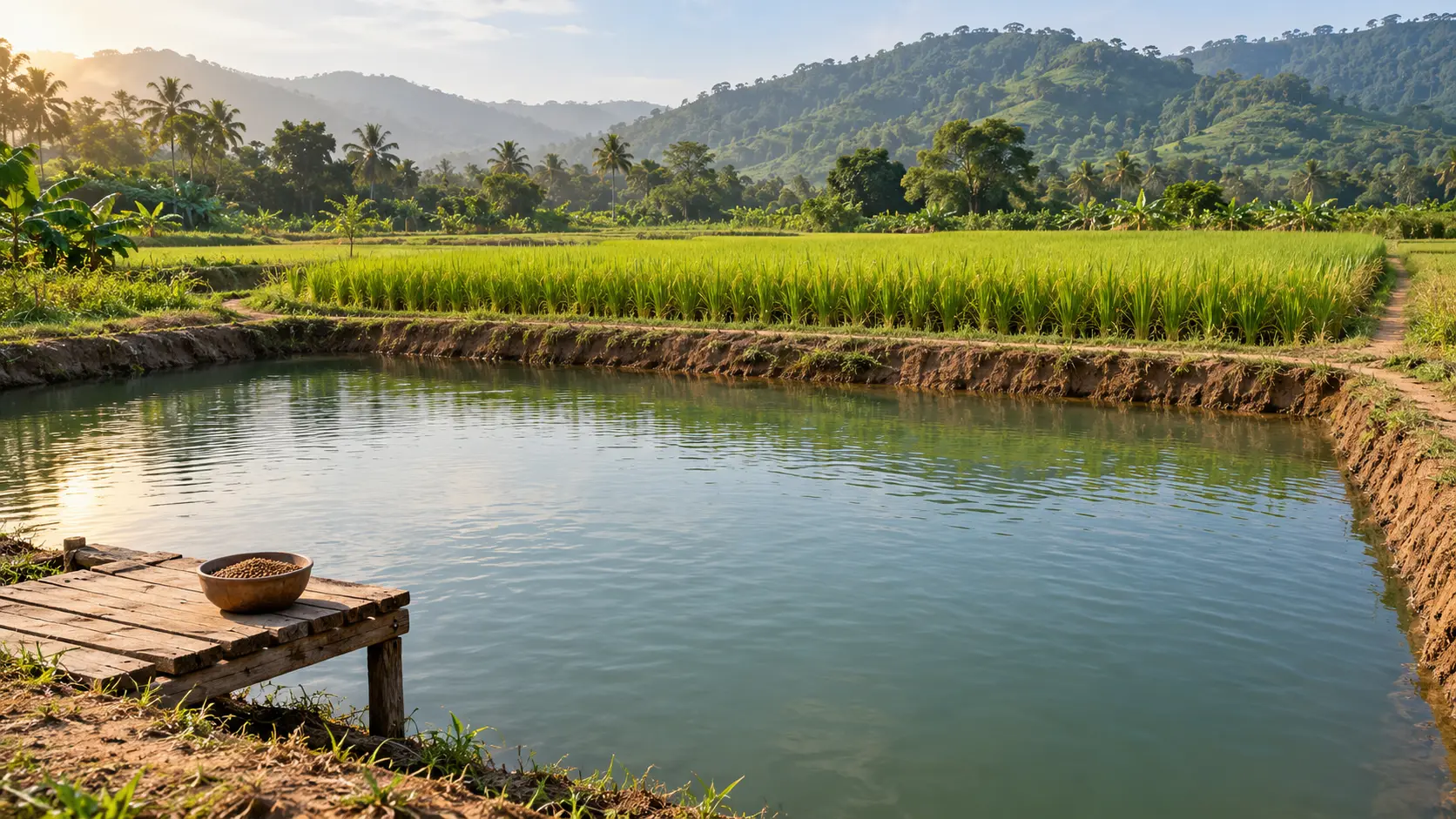
Freetown is scheduled to host the Agricultural Innovations and Technologies Marketplace, known as MITA, from October 19 to 21. CORAF and Sierra Leone’s Ministry of Agriculture and Food Security are organising the regional meeting. Their October 12 press release sets out an event designed to connect agricultural research with people who might use or buy it. This is a preview, not a report that the marketplace has opened.
From research to the working farm
The organisers identify a familiar gap: a technology can have research behind it and still fail to reach users at scale. Their answer is to bring providers, producers, buyers and investors into the same setting. That makes the useful question more practical than whether an exhibit looks impressive: what would it take to put the idea to work outside the exhibition?
The 2026 focus is animal production and integrated crop–livestock–aquaculture systems. CORAF’s event site lists animal feed, health and breeding, alongside aquaculture and links across production, processing and marketing. It says priority goes to proven technologies ready for adoption. That is the organiser’s selection approach; it is not an independent endorsement of every product that may be shown.
What is on the announced programme
The announced format combines a technology exhibition, presentations and a ministerial panel with business-to-business meetings called Trading Rooms. According to the October 12 release, those meetings are intended to help providers explore acquisitions with prospective buyers. An introduction is not a sale, a sale is not successful installation, and installation alone does not establish a lasting improvement in a producer’s livelihood.
The event website also advertises a Sierra Leone Day visit to the SLARI Technology Park at the Mangrove Rice Centre of Specialisation. It presents the visit as a chance to meet researchers and consider adaptation elsewhere in the region. Readers should treat this as an announced programme element, not evidence that delegates have already travelled there or that a particular technology has been adopted in another country.
Read the dates—and the claims—carefully
Dates deserve care. Earlier CORAF calls advertised October 19–23, but the newer October 12 release and current event website specify October 19–21. The regional Food System Resilience Programme republished that three-day window on October 17. We use the current programme here. Anyone planning attendance should reconfirm venue and session arrangements directly; this article does not verify available places, travel bookings or an open funding application.
Awards are also ahead, not settled. CORAF says the third Abdoulaye Touré Agricultural Innovation Award will form part of the event, with winners scheduled for announcement at the October 21 closing ceremony. It also lists ICIPE and IFDC special awards. No winner is named here, and inclusion on an agenda should not be mistaken for an award already conferred.
For farmers and businesses following the marketplace, an effective demonstration should open further questions: local inputs, maintenance, training, total cost and evidence from comparable conditions. Those are questions for providers, not verified findings about unnamed exhibits. After October 21, the strongest follow-up will be documented agreements and users’ experience over time. The value of this gathering will ultimately rest on what travels beyond the exhibition floor.