Seventeen people were killed shortly after midnight on Saturday, October 3 in a multi-vehicle crash at Salama in Makueni County, on Kenya’s Nairobi–Mombasa highway. Police and church accounts reported that a 14-seater passenger vehicle carrying Catholic pilgrims was caught in a chain collision involving trucks and other vehicles. The dead were 16 passengers and the vehicle’s driver.
The pilgrims were members of St Mathias Mulumba Catholic Church in Mikindani, Mombasa. They were travelling to the National Shrine in Subukia, Nakuru County, for Kenya’s National Prayer Day. Archbishop Martin Kivuva Musonde of the Catholic Archdiocese of Mombasa confirmed the deaths and asked the church community to pray for the families and parish.
A journey to prayer ended at Salama
Early descriptions of the collision should not be treated as a final finding. The Associated Press reported police saying that a truck driver attempted to overtake another truck and triggered the collision. Kenya Broadcasting Corporation and some local reports said a lorry may have lost control after suspected brake failure. Those accounts may eventually fit together, but the mechanical condition of the vehicles and the precise sequence remain subjects of an official investigation.
Reports on the injured also require care. The National Transport and Safety Authority-linked account carried by The Standard said seven other people were injured. Daily Nation reported that six survivors with minor injuries were discharged from Sultan Hamud Sub-County Referral Hospital and that an injured truck driver was transferred to Makueni County Referral Hospital. That may explain the apparent difference, but authorities have not yet published a single final casualty and treatment list.
The cause is still being investigated
NTSA said it had sent a multidisciplinary crash-investigation team to support the National Police Service. The team is expected to examine the circumstances of the collision, vehicle inspection and compliance. The damaged vehicles were removed for further examination, while the authority urged motorists to avoid dangerous overtaking and observe lane discipline.
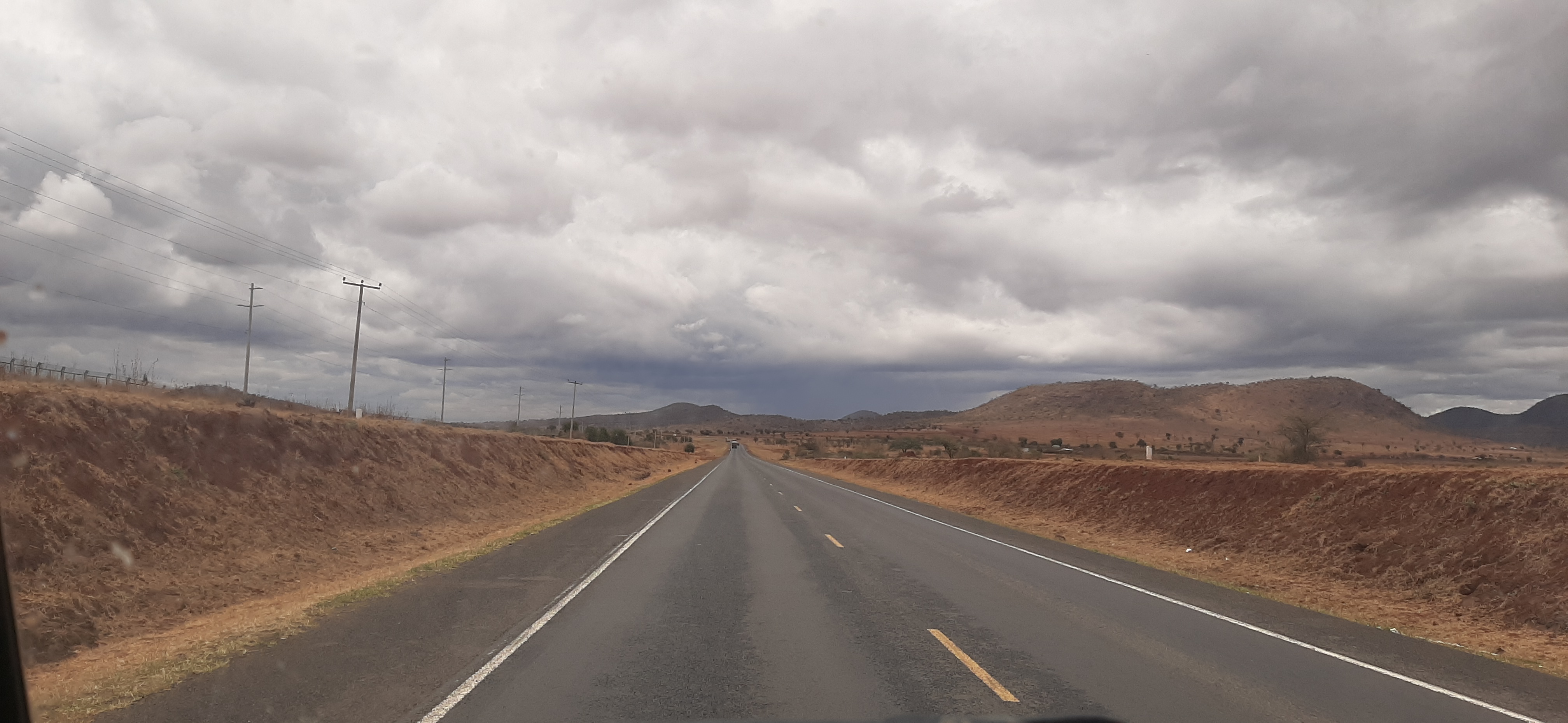
The location makes the investigation a broader public-safety test. NTSA described the Mlima Kiu–Salama stretch as a known black spot and said recommendations had already been made to address safety concerns there. A black-spot designation identifies elevated risk; it does not by itself explain this crash or establish legal responsibility. The public interest now lies in whether earlier recommendations were implemented and whether any remaining road, enforcement or vehicle-safety gaps are corrected.
A known black spot demands more than condolences
President William Ruto offered condolences to the bereaved families, parishioners and Kenya’s Catholic community. Mombasa Governor Abdullswamad Nassir urged residents to avoid circulating unverified information while families were being notified. That request is especially important after a mass-casualty event, when names, survivor numbers and accounts of causation can change quickly.
The National Prayer Day continued under the weight of the loss. For St Mathias Mulumba Parish, the national road-safety question is inseparable from 17 individual lives and the families expecting their return. Respectful reporting should therefore resist graphic spectacle and wait for verified identification and investigation findings.
What investigators must establish
The next evidence to watch is concrete: NTSA’s reconstruction of the collision, vehicle roadworthiness and inspection records, driver and operator compliance, the condition of the highway and the status of previously recommended black-spot measures. Until those findings are released, the confirmed facts are the 17 deaths, the pilgrims’ intended journey, the known high-risk location and the opening of a formal investigation.