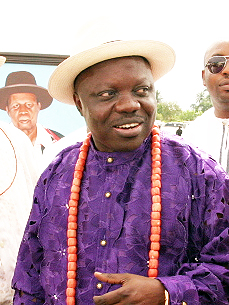
The petrol tanker fire at Oluku Market has left a question that will outlast the governor’s visit: how will traders restart? The incident happened on October 15 along the Benin–Lagos Road in Edo State’s Ovia North-East area. On October 16, Governor Monday Okpebholo promised to rebuild the market and support affected traders. A promise is the start of a recovery record, not proof that compensation or construction has begun.
Keep the casualty accounts separate
An October 16 Channels Television report attributes eight burn injuries to the Edo State Police Command and says the injured were taken to the University of Benin Teaching Hospital. Other accounts, including reports of the governor’s remarks, refer to deceased victims. We have not reconciled those accounts into a verified death toll. Eight injured must not be rewritten as eight dead, and the absence of a final toll must not be presented as confirmation that nobody died.
The sequence also needs careful attribution. The police statement reported by Channels places ignition at about 11:50 a.m., after the tanker fell, and describes an emergency team transferring its contents. Okpebholo separately criticised the tanker owner’s handling of the transfer. His account is an allegation about responsibility, not a completed technical investigation or a court finding. The fire’s full cause remains a matter for evidence, not inference from the order of events.
A livelihood is more than a shop wall
The Nigerian Observer’s October 16 account gives the recovery problem a human scale. Market secretary Blessing Itoje appealed for assistance and described traders who had lost stock while still servicing loans. Her testimony explains why rebuilding stalls alone would not settle every loss. A shop can be repaired while its owner still lacks goods to sell or income to meet an existing repayment.
The governor’s hospital visit is also documented by P.M. News, which reports that he met people receiving treatment at UBTH. A visit and an assurance are different from a published support scheme. The sources reviewed do not establish an application window, eligibility rules, payment amount or completion deadline for rebuilding. Traders should not be directed to an invented registration link or told to pay a supposed processing agent.
The next useful public record would identify who is assessing losses, what evidence affected traders should preserve, how decisions will be communicated and whether support covers stock as well as structures. Those are accountability questions for the authorities, not conditions this newsroom can announce on their behalf. Likewise, the police account says the total property loss was still undetermined; a dramatic valuation is not a substitute for an inventory.
Safety and accountability both matter
The immediate safety message is less ambiguous. In October 17 reporting by PREMIUM TIMES, Institute of Safety Professionals of Nigeria president Timothy Iwuagwu warned against collecting spilled fuel and explained that vapour can ignite away from a leak. That is a general warning, not a forensic conclusion about this fire. Stay away from a spill, do not try to collect the product and leave response work to emergency personnel.
Protecting life and examining institutional responsibility are compatible tasks. Warning people away from fuel does not remove questions about tanker condition, incident control or the handling of a transfer. For Oluku, the meaningful follow-up is a reconciled casualty record, a documented investigation and evidence that recovery commitments reach traders. None should be announced as completed merely because it has been promised.