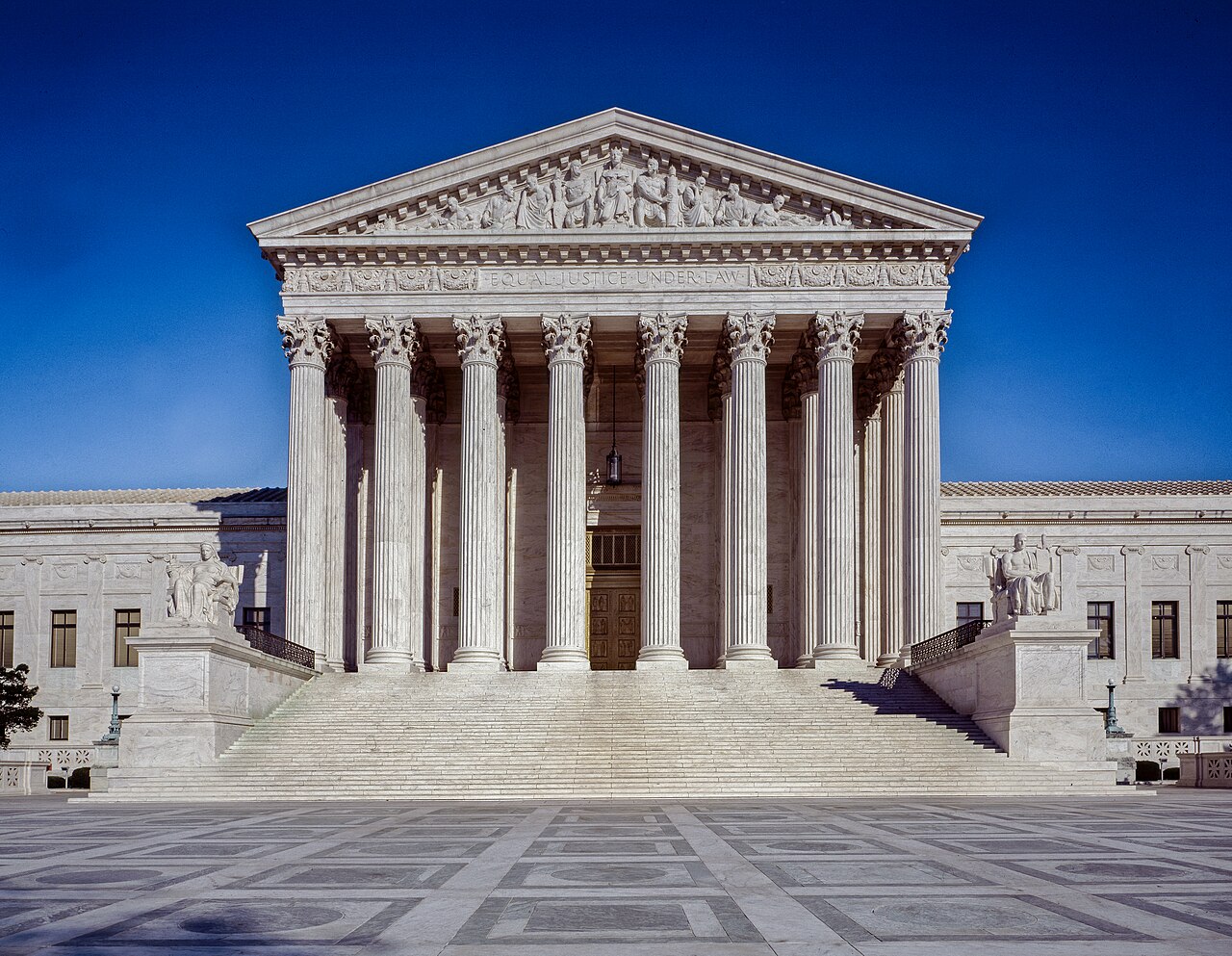
A Nigerian man’s account of cooking for an armed group has reached the U.S. Supreme Court, raising a question with consequences beyond one asylum application: when does assistance become material support that bars immigration relief? The Court granted the government’s petition in Blanche v. Ozurumba, No. 25-1343, on October 13, 2026. It has agreed to hear the dispute, not decided its merits.
The official question asks whether support must advance an organization’s actual commission of terrorism to fall within the statutory bar. The government challenges the Fourth Circuit’s September 2, 2025 decision in favour of Izuchukwu Ozurumba on that issue. That ruling vacated a removal order and returned the matter for further proceedings; it did not itself grant asylum.
The account behind the court record
The appellate opinion recounts Ozurumba’s testimony that an acquaintance offered him a cooking job at a guarded camp in Nigeria. He said he discovered the group’s purpose only after starting, was prevented from leaving and later worked without pay before escaping. The opinion describes testimony and the immigration proceedings’ credibility findings; this report has not independently reconstructed the camp or identified its members.
The name used in the litigation is the Unknown Gunmen. An expert’s evidence linked such groups to separatist violence in southern Nigeria. Those case-specific descriptions should not be turned into allegations against every community member, or a claim that every armed group in the region has the same legal identity. The litigation concerns the organization and conduct assessed in this record.
Why the judges divided
The Fourth Circuit majority concluded that Ozurumba’s meal preparation was not sufficiently substantial on its own to help the organization accomplish terrorist activities. A dissenting judge viewed sustained cooking for its leaders differently, reasoning that it supported the group and freed resources. Their disagreement shows why ordinary descriptions of work and the legal meaning of support can diverge.
The majority expressly left a separate argument about an implied exception for duress unresolved. Coercion is central to Ozurumba’s account, but the Supreme Court’s published question focuses on the connection between support and terrorist activity. Reporting the case as a settled exemption for forced labour would go beyond either court’s decision.
What the case means for the diaspora
For Nigerian families following U.S. immigration proceedings, the immediate significance is a pending review of a consequential legal boundary. The docket checked for this report lists the grant and no merits judgment. It supplies no general permission to ignore a notice, reopen a case or assume that a similar personal history will produce relief.
People with potentially relevant histories should preserve truthful records and obtain qualified legal advice about their own proceedings. Original Documentation’s separate explainer examines the statutory issue and preparation questions. The two reports serve different purposes: this account follows the Nigerian diaspora story, while the linked legal guide explains the filing and representation implications.