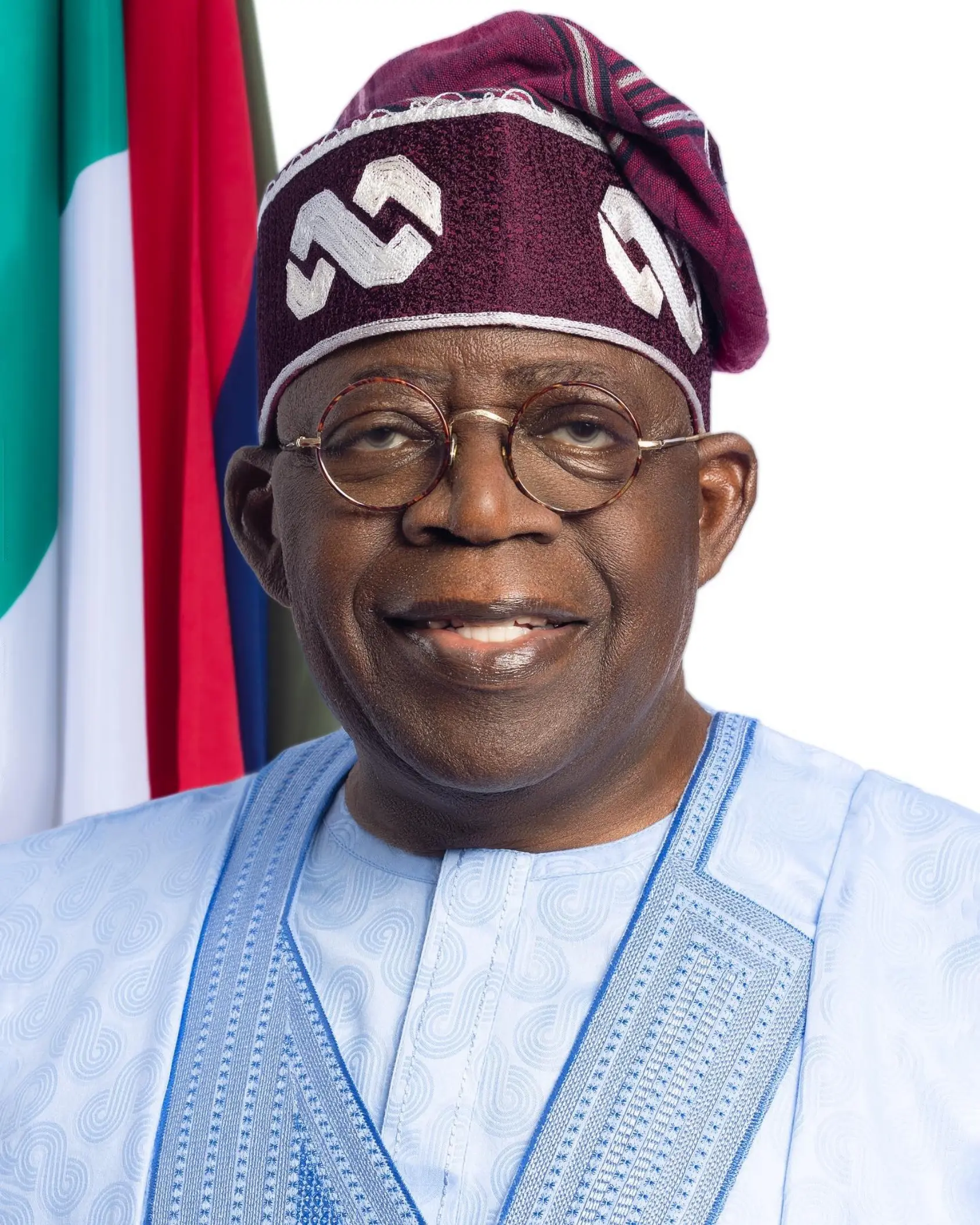
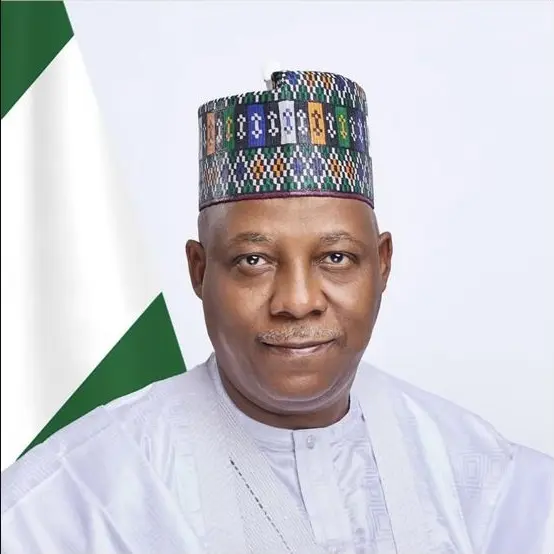
President Bola Tinubu has directed Vice-President Kashim Shettima to represent him and lead Nigeria’s delegation to the 81st session of the United Nations General Assembly in New York. The Presidency announced the assignment on Sunday, September 20, and Voice of Nigeria reported that Shettima had departed for the United States. No official reason was given for Tinubu’s decision not to lead the delegation himself.
Nigeria’s delegation and the dates that matter
The delegation includes Rivers State Governor Siminalayi Fubara, Zamfara State Governor Dauda Lawal, ministers and other senior officials. That composition gives the mission both federal and state representation, but the Presidency has not published a complete list of delegates or a detailed schedule of every bilateral meeting.
The UN confirms that the general debate will run from Tuesday, September 22, through Saturday, September 26, and conclude on Monday, September 28. Its theme is ‘Restoring trust, managing transformation: a United Nations that delivers for all.’ The wider high-level week began on September 18 and includes separate meetings on climate action, the right to development, pandemic preparedness and other global priorities.
Shettima is expected to deliver Nigeria’s national statement during the general debate. The Presidency says the address will set out the country’s positions on development, peace and security, economic growth and international cooperation. Until that speech is delivered, however, the government’s exact commitments, requests and policy language remain prospective rather than settled outcomes.
What Shettima is expected to put on the table
Nigeria says its delegation will press questions that directly affect African countries: reform of the global financial architecture, sustainable development, climate finance and stronger multilateral cooperation. These are not abstract diplomatic themes. Debt-servicing costs, access to affordable capital and the cost of adapting to floods, heat and energy transitions influence how much money governments can put into transport, schools, health care and employment.
The Vice-President is also scheduled to participate in high-level meetings on the right to development and climate action. The UN programme places the climate event on September 23 and the meeting marking the 40th anniversary of the Declaration on the Right to Development on the same day. Participation creates an opportunity to state Nigeria’s case; it does not itself guarantee new funding, debt relief or a negotiated agreement.
Bilateral meetings are expected with foreign leaders, international organisations and development partners. The Presidency describes those engagements as part of Tinubu’s economic diplomacy and an effort to deepen strategic partnerships. The practical test will be whether any meeting produces a named project, financing amount, implementation timetable or public memorandum that Nigerians can later track.
The difference between an agenda and an agreement
Shettima’s presence also places Nigeria’s long-running demand for a more representative international system back in view. Nigerian officials have repeatedly argued that Africa should hold stronger decision-making power in global institutions, including permanent representation on the UN Security Council. The September 20 announcement names reform of the global financial architecture as a priority but does not claim that a Security Council reform agreement has been reached.
The change in delegation leader should therefore be reported with precision. Tinubu remains President and assigned his Vice-President to represent Nigeria; the announcement is not a transfer of presidential powers and it does not indicate a change of government policy by itself. Shettima’s authority for this mission comes from the President’s directive and his constitutional office.
Nigeria’s national statement will be the clearest public record of what the delegation actually asks from the international community and what it offers in return. Readers should look for specific positions on regional security, climate finance, debt and development funding, as well as any measurable commitments announced after bilateral talks.
What to watch when Nigeria speaks
For now, the verified development is straightforward: Shettima is leading Nigeria’s delegation, the general debate opens on September 22, and the Presidency has identified development, security, economic diplomacy and financial reform as priorities. Claims about deals, investments or diplomatic breakthroughs should wait for signed documents or formal announcements after the meetings take place.