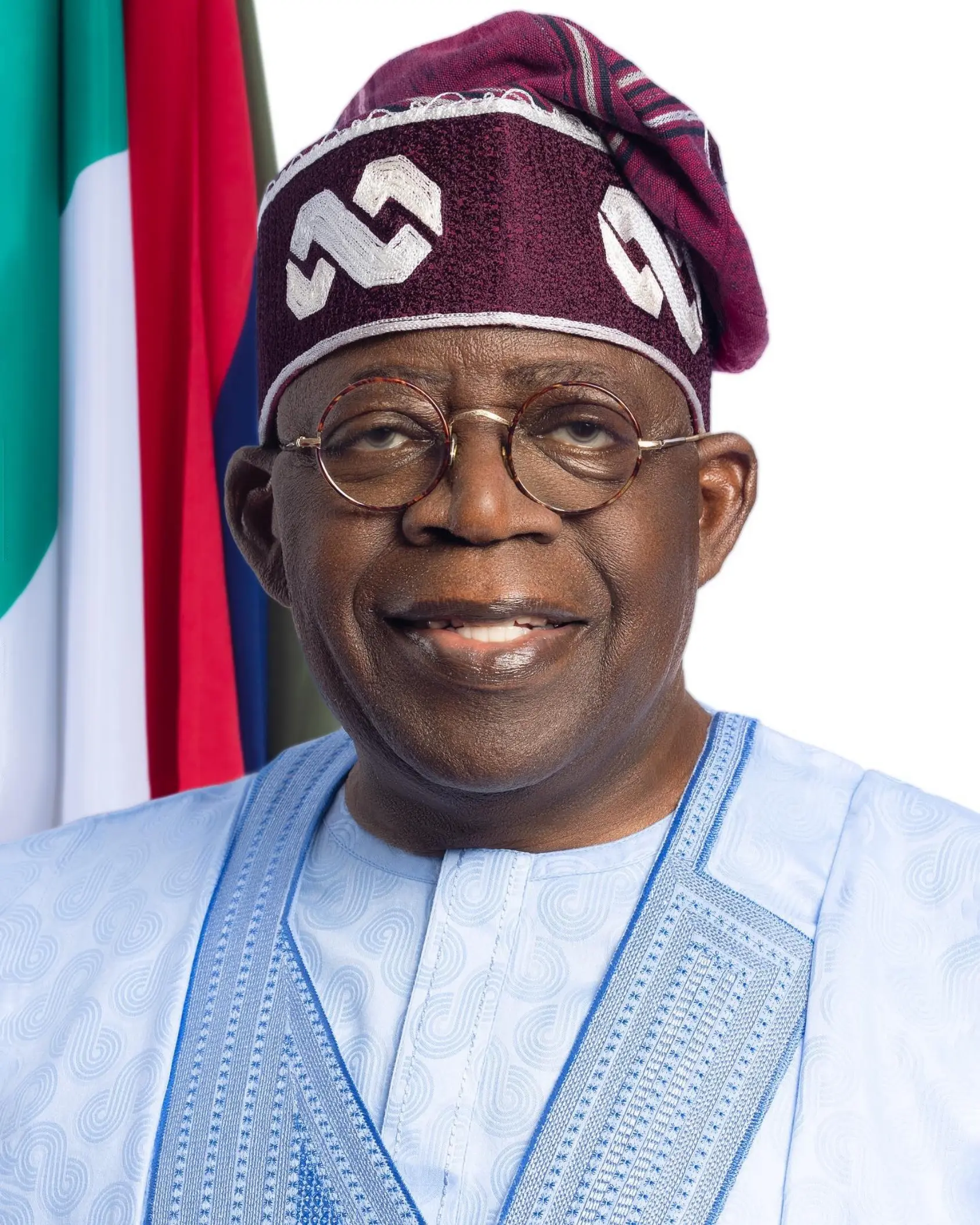
President Bola Tinubu has placed a public deadline on one of his administration's most important cost-of-living promises: from October 1, more Nigerians should begin to see measurable reductions in transport fares. In a statement issued on September 19, the President said the objective followed his August 27 meeting with all 36 state governors and the creation of an implementation committee for the National Affordable CNG Transit Programme.
The committee sits under the Nigeria Governors' Forum and is chaired by Kwara State Governor AbdulRahman AbdulRazaq. Its immediate work is to identify priority transport corridors, determine what each corridor needs and bring state authorities, unions, commercial operators and infrastructure providers into the same plan. That matters because transport is not run by one national operator: fares are set across thousands of routes by a mixture of public fleets, unions, private companies and individual drivers.
What Tinubu has asked states to deliver
Tinubu's instruction is therefore a policy target rather than a nationwide price order. The September 19 statement did not publish a single compulsory fare table, a new law or a penalty for operators who fail to reduce prices. Instead, it asked states to expand conversion, deploy more buses, support refuelling infrastructure and ensure that savings from cheaper energy reach passengers. Whether that happens will vary by route and by the capacity already available in each state.
The economic argument is straightforward. A bus operator that spends less on fuel can, in principle, charge less while protecting the viability of the service. But a lower fuel price alone does not determine a fare. Vehicle finance, maintenance, tyres, wages, road conditions, insurance, queue time at refuelling stations and the cost of converting a petrol vehicle all remain part of the operator's calculation. The October push will succeed only where those costs and the promised fuel savings are transparent enough for commuters and operators to see the bargain.
The Presidency says the model is already working on selected routes. Its examples include government-supported CNG and electric services in Borno charging between ₦50 and ₦100 where commercial fares range from ₦300 to ₦600. It says 100 CNG buses in Kaduna carried about 3.2 million passengers during their first year while offering free transport, and that the initial CNG deployment on the Lagos–Ibadan corridor reduced a roughly ₦8,000 fare to ₦3,200.
The savings cited by the Presidency
Other figures in Tinubu's statement include a reduction from ₦8,000 to ₦4,000 on some Adamawa services and from ₦2,500 to ₦1,500 between Enugu and Nsukka. In Plateau, the government says supported buses carry about 13,000 passengers a day for ₦200, compared with commercial fares above ₦500. It also reports a 40 per cent discount on several CNG-converted NURTW routes in Abuja, including Area 1–Gwagwalada at ₦900 instead of ₦1,500 and Nyanya at ₦420 instead of ₦700.
These are specific claims made by the Presidency, not the results of an independent nationwide fare audit. They show what government-backed services say they have achieved on named routes; they do not establish that every passenger in those states can find the same price, that enough buses are available at peak time or that the reductions will survive without continuing public support. A credible next step would be a published corridor-by-corridor dashboard showing fleet size, operating hours, old and new fares, passenger volumes and service interruptions.
Tinubu says more than 120,000 vehicles have now been converted, supported by over 400 certified conversion centres and more than 90 CNG refuelling stations. The Presidential Initiative on CNG and Electric Vehicles presents the same national totals and says the programme has trained 7,700 technicians, created more than 10,000 direct and indirect jobs and attracted more than $2.5 billion in private investment. Those figures come from the programme itself and should be read as official implementation data.
Infrastructure and safety will decide the outcome
Scale remains the central test. Hundreds of conversion workshops do not automatically give a driver convenient access to fuel every day, and 90-plus refuelling stations must serve a large country with long intercity corridors and dense urban traffic. A vehicle can be technically converted yet operate below its potential if a station is too distant, congested or temporarily out of service. State plans will need to match buses and conversions with dependable fuel supply instead of counting equipment in isolation.
Safety is equally important. Compressed natural gas is stored under high pressure, so conversion kits, cylinders, electrical connections, installation practices, roadworthiness checks and refuelling equipment must all meet enforceable standards. The Standards Organisation of Nigeria says it developed 80 industrial standards and guidelines covering CNG road vehicles and related equipment. The push for speed before October 1 should not weaken certification, inspection or technician competence; one preventable failure would damage public confidence far beyond a single route.
The President also used the announcement to restate his opposition to restoring the petrol subsidy, arguing that Nigeria should reduce its exposure to volatile global fuel markets by using domestic gas and expanding electric mobility. That is a political and economic choice with real distributional consequences. For households, the practical question is not whether CNG is cheaper in theory, but whether a reliable bus arrives, whether its fare is clearly displayed and whether the saving is still visible after queues, transfers and last-mile travel are counted.
October 1 is a test—not a universal fare guarantee
October 1 should consequently be read as a public performance test, not a guarantee that all fares across Nigeria will fall on the same morning. Success would mean more frequent affordable services on clearly announced routes, prices that remain lower over time, safe vehicles and a complaint channel when operators do not honour agreed fares. Failure would be a collection of impressive fleet and investment numbers that commuters cannot feel in their daily journeys.
Tinubu has now attached a date to the promise. The fairest measure of the policy will be found at bus stops and motor parks after that date: how many routes are operating, how long people wait, what they pay and whether workers, traders and students can travel farther without surrendering a larger share of their income. That evidence—not the announcement alone—will decide whether the CNG programme becomes meaningful economic relief.