The National Museum of African American History and Culture in Washington, DC, has reached its tenth anniversary. Its official programme placed the main commemoration across September 24–27, 2026, with the community weekend now listed as a past event. For readers across the African diaspora, the milestone offers a reason to think about what a permanent public home for memory can do.
The Smithsonian announced the anniversary programme under the name The Reunion. The museum’s community weekend brought music, dance, art and family activities into the programme alongside its wider commemorations. The calendar documents what the institution offered; this article does not claim a verified attendance total or describe an eyewitness visit.
What a permanent institution makes possible
A museum can slow a story down. A headline often reduces a life to a single achievement or injury, while an exhibition can place documents, objects and testimony beside one another. That allows visitors to ask how a person lived, what choices were available and which structures shaped the outcome. The value lies in the relationship between the evidence, not simply in possessing an old object.
For diaspora families, public memory and family memory can meet without becoming identical. An institution cannot speak for every household, and a personal account does not automatically represent an entire community. Reading a label alongside a family story can open a better question: what does each source reveal, and what remains outside its frame?
Begin with the records close to home
The anniversary also offers a practical prompt for people preserving material at home. Record names and dates while relatives can help identify them. Keep a note of who supplied an account, distinguish an original photograph from a later copy, and ask permission before publishing intimate family information. These are editorial suggestions for responsible record-keeping, not a museum collection or donation request.
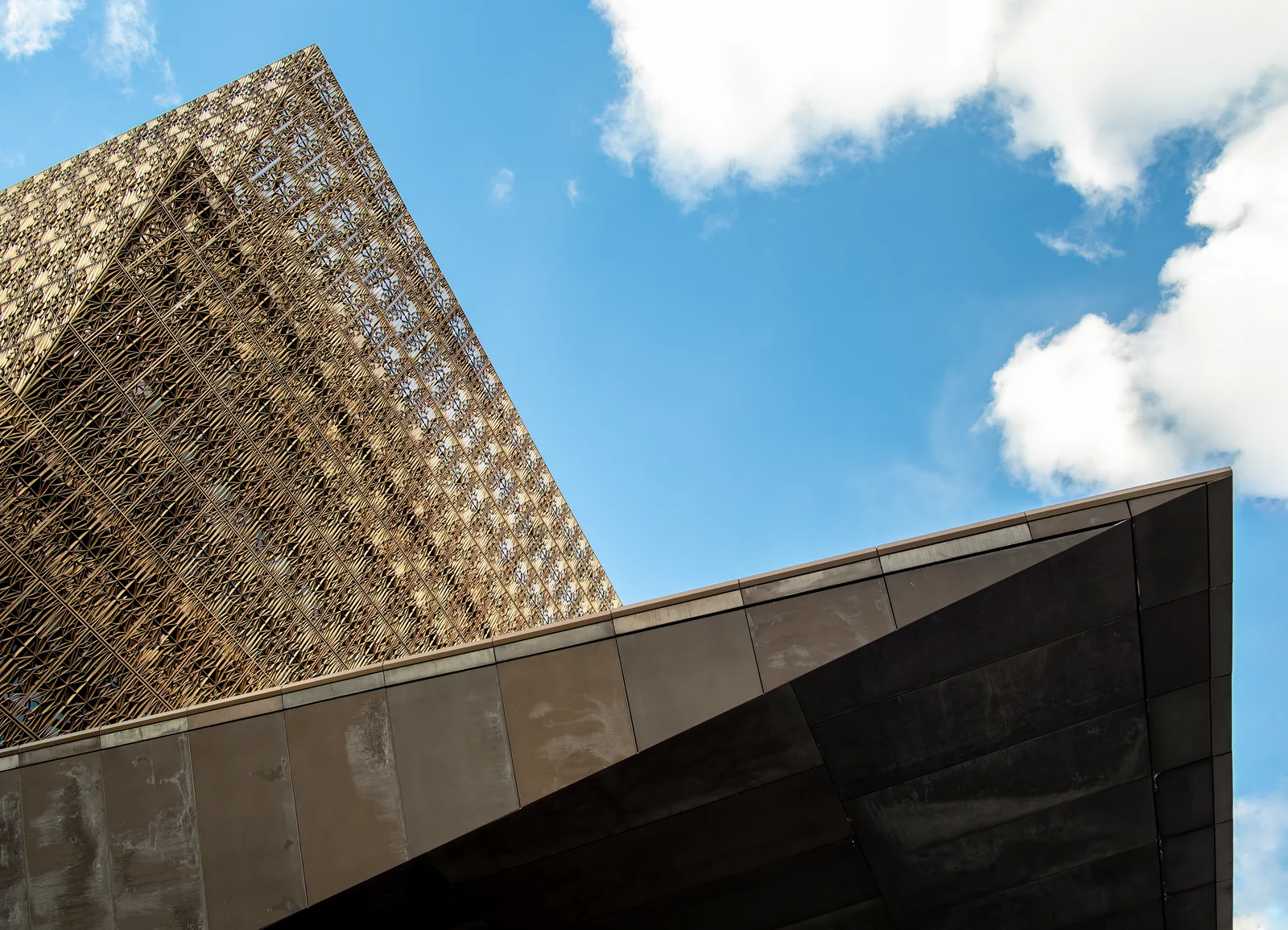
If planning a visit now, use the museum’s current visitor information and events calendar rather than the September anniversary listing. A past programme is not evidence that an activity remains available. The exterior photograph on this page was taken in February 2020 and is clearly archival; it is not a photograph of the tenth-anniversary celebrations.
After the anniversary
After the anniversary banners come down, the lasting question is who can find themselves in the record—and who can challenge how that record is told. The museum’s decade gives the diaspora a moment to celebrate an institution while continuing that conversation. Remembering well requires both care for the evidence and room for people whose stories are still being recovered.