A vaccination campaign can report impressive totals and still miss the same children repeatedly. Nigeria’s latest investment in polio data addresses that weakness: finding who remains outside the count, where they live and what prevents a team from reaching them.
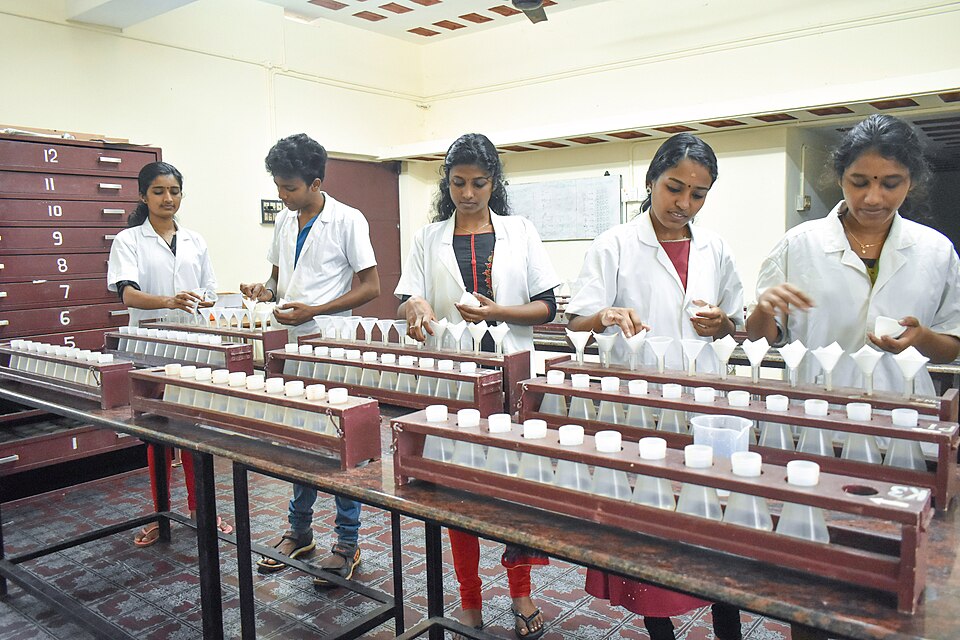
In a report published on 4 September 2026, WHO described two weeks of training in Akwanga, Nasarawa State, for 62 data and information officers drawn from Nigeria’s 36 states and the Federal Capital Territory.
The programme covered surveillance, routine immunisation and campaign information. Participants worked with tools including DHIS2, R and QGIS, connecting the organisation of health records with statistical analysis and the mapping of settlements.
Nigeria’s certification as free of wild poliovirus in August 2020 did not end every polio threat. WHO’s account identifies continuing circulation of variant polioviruses, a distinction that explains why surveillance and vaccination remain necessary.
Movement, insecurity and unreliable connectivity complicate the work. A settlement list can become outdated when families relocate; a missing report can conceal either a service failure or a communications failure. Those possibilities require different responses.
The operational question is what happens after an omission is discovered. A useful map should lead to a revised route, a conversation with local leaders or another opportunity to vaccinate—not simply a more attractive presentation.
Supervisors also need to compare campaign records with routine services. If a child appears only during a special campaign, the next question concerns access to regular care and the durability of that connection.
Training is therefore a beginning rather than a coverage result. Its success will become clearer when local teams can explain which children were missed, correct the reasons and demonstrate that the next visit actually reached them.