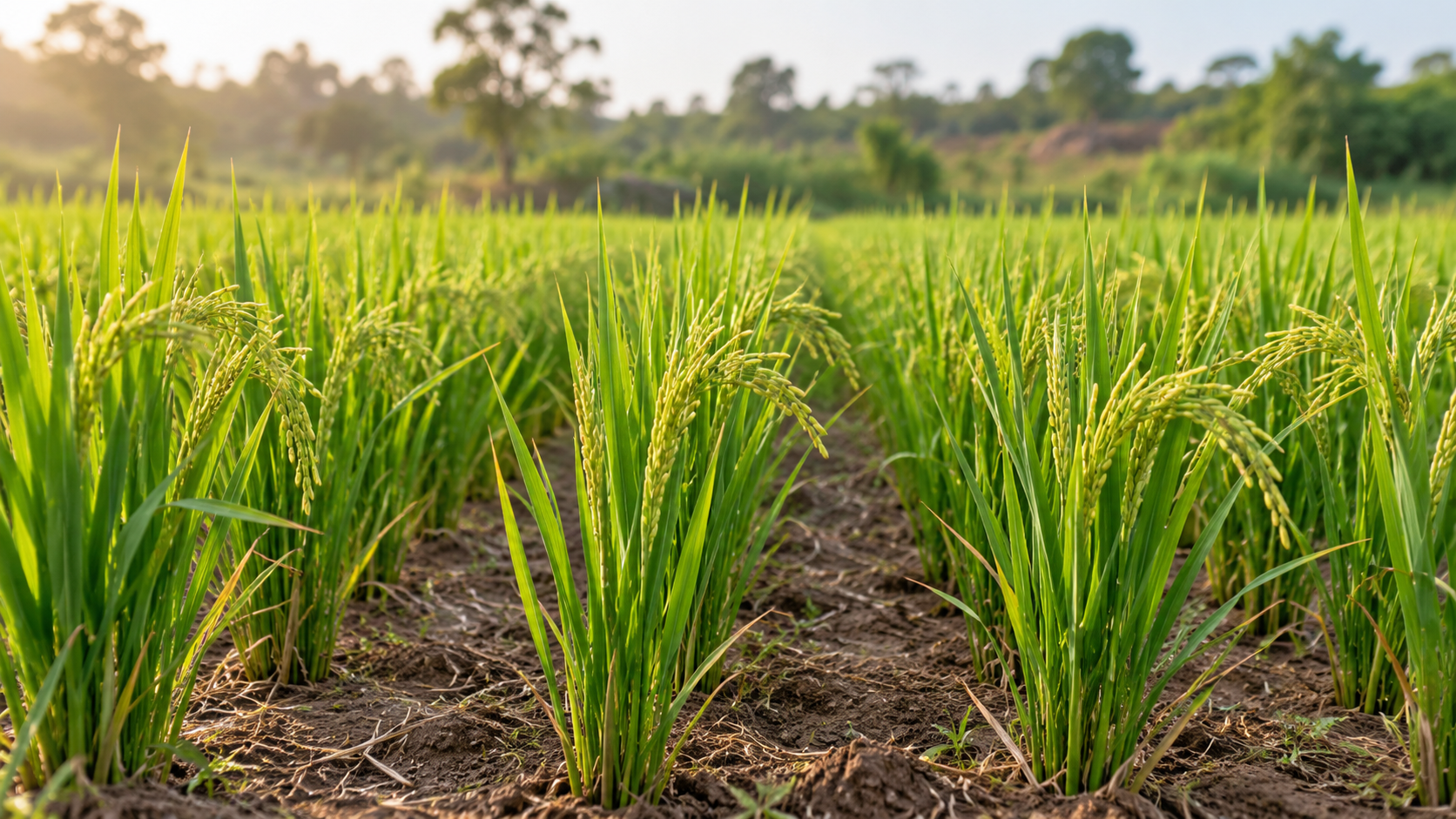
The useful question about fertiliser is not simply how many bags a farmer can obtain. It is whether the product and application plan match the field and crop. That distinction ran through the Nigeria Fertiliser Summit in Abuja, according to News Agency of Nigeria reports published on October 20, 2026. This guide draws together the summit’s proposals and dated laboratory research to explain what a more useful soil-advice system would need to deliver. It is not a fertiliser prescription for an individual farm.
NAN’s account of the October 20 researcher session attributes the case for local recommendations to Bello Shehu, an agronomist with the IITA-hosted regional soil-health hub. He described phosphorus needs as varying with soils, crops and growing conditions. The implication is straightforward: an application rate reported from research elsewhere cannot safely be treated as a universal instruction. This article deliberately offers no kilogram-per-hectare recommendation. A farmer needs advice tied to the actual field, with the basis and limits of that advice explained.
A soil-health promise needs a working service
A separate NAN report covers an October 19 speech by agriculture minister of state Aliyu Abdullahi. He identified expanded testing, quality assurance, state implementation and phosphorus management in soil-health cards as priorities. He also described the scale of establishing laboratory services across 774 local-government areas as a challenge. The speech therefore should not be read as evidence that every LGA already has a functioning laboratory, that every farmer can book a test locally or that a free service has been made universally available.
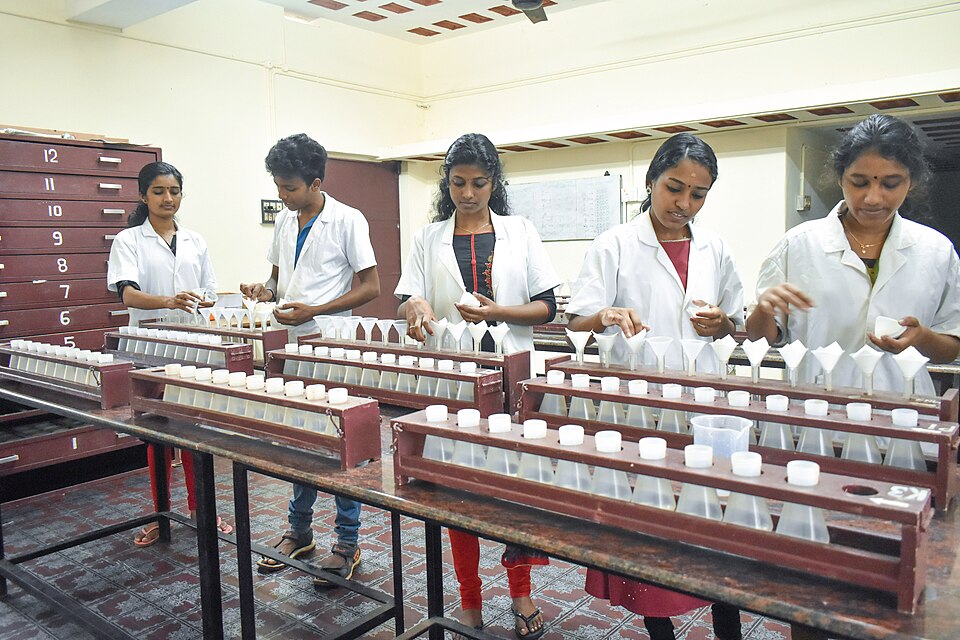
The laboratory stage deserves attention because an impressive-looking report is only useful if its measurements are dependable. In an August 13, 2026 feature, IITA described assessments of three Nigerian laboratories toward a planned review of roughly six. It reported experienced personnel alongside equipment and quality-assurance needs. Across its regional work, it identified problems including unreliable utilities and sample preparation or storage. These are the institution’s dated findings, not a claim that the same assessment has now covered every Nigerian laboratory or that all identified gaps remain unchanged.
What to ask before paying for a test
Before arranging a test, a useful first conversation is with the extension adviser or laboratory about what question needs answering. Which crop and field is the recommendation intended for? Which measurements will the service provide? Who explains the results and converts them into advice? Ask for the sampling instructions before collecting material: the report should be traceable to the field being discussed. These are suggested questions for evaluating a service, not a nationwide application procedure or an endorsement of any private laboratory.
Quality controls are another reasonable subject to raise. IITA’s assessment framework considers analytical methods and comparisons between laboratories, not merely whether an instrument is present. A customer can ask how the provider checks the consistency of its results and what the report will say about limitations. Ask separately about the price, expected turnaround and interpretation service before committing. We have not verified a national tariff or completion time. A digital map or a soil-health card should make the evidence easier to use, not obscure how it was produced.
Measure delivery at the farm
Keeping a simple farm record can make the follow-up conversation more useful: identify the field, retain the dated laboratory report and write down the recommendation received. Ask the adviser how subsequent observations should inform the next decision. Do not assume a larger fertiliser purchase is necessarily the answer to a disappointing harvest, or that one test settles every future decision. This is a suggested record-keeping approach; the appropriate agronomic response still depends on a qualified assessment of the particular crop and conditions.
For policymakers, the distinction between announcing a scheme and operating a reliable service is the central accountability issue. The minister’s priorities include stronger extension delivery and measurement of farm-level impact. The questions to pursue are whether farmers can reach a service, understand its advice and see how its performance is assessed. Counting cards distributed or laboratories proposed would answer only part of that inquiry. Those measures should be accompanied by evidence about the functioning service, rather than presented as proof of improved yields.
The summit offers a useful shift in emphasis from distributing an input to understanding its use. The next stage is delivery that farmers can recognise: dependable analysis, comprehensible recommendations and a route to ask questions when the advice is unclear. Our conclusion is practical rather than promotional. Before paying for more product, seek an explanation of what the soil evidence says and what it does not. Neither this article nor the summit’s stated ambitions guarantees a harvest, a cost saving or access to a particular government benefit.