Nairobi Serena is built to serve several kinds of guest at once: conference delegates, official visitors, business travellers and holidaymakers. That range is an advantage only when the property’s event schedule and security arrangements are compatible with the stay a traveller actually needs.
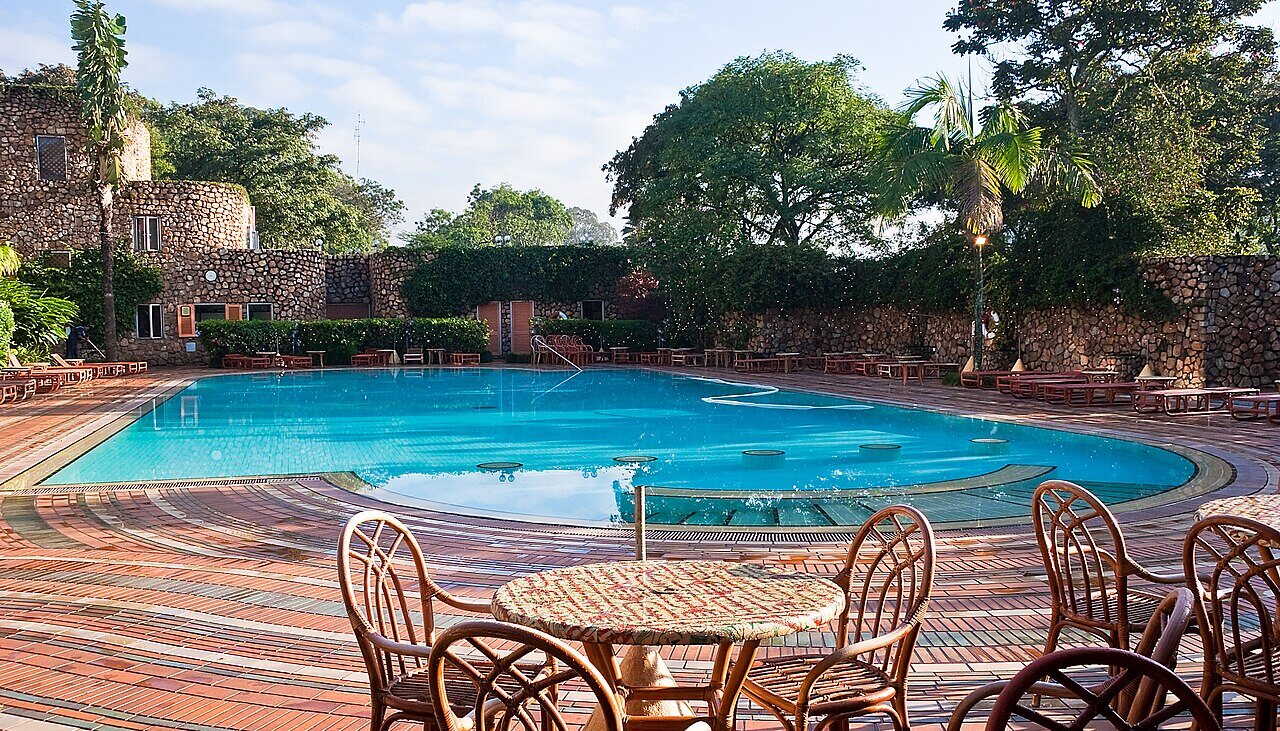
Serena’s official information lists rooms and suites alongside meeting venues, restaurants, a pool and wellness facilities. A conference organiser should request the layout, usable floor plan, equipment and break arrangements for the chosen room instead of relying on a maximum-capacity number.
For overnight guests, major events can change how a hotel feels. Vehicle screening, controlled entrances and busy public areas may add time to arrivals. Asking whether a large meeting or official delegation overlaps with the booking can help a guest plan without treating routine security as a surprise.
The central setting is useful for some appointments, but Nairobi traffic is highly time-sensitive. Airport transfers and cross-city journeys should be built around the hour of travel and the destination, not a generic estimate of distance.
Room category remains important on a work trip. A dependable desk, quiet location, suitable power access and stable connectivity may be more valuable than a decorative feature. Those needs should be requested and confirmed, particularly for a long stay.
Guests extending a conference visit should make room for Nairobi beyond the meeting venue. Museums, galleries, restaurants and nearby green spaces can turn a functional trip into a fuller city experience, provided transport and opening times are checked.
Nairobi Serena’s appeal lies in coordination: accommodation, meetings and leisure facilities under one roof. The hotel is a strong fit when that arrangement saves meaningful time, and a weaker one when the traveller’s daily destinations make another neighbourhood more practical.
Hospitality is an operating system, not simply an attractive building. In Kenya, the experience described by “Nairobi Serena works best when the conference day is planned before check-in” depends on reservations, housekeeping, kitchens, security, maintenance, transport and the judgement of frontline staff. A polished lobby matters less if those connected services fail when a guest actually needs them.