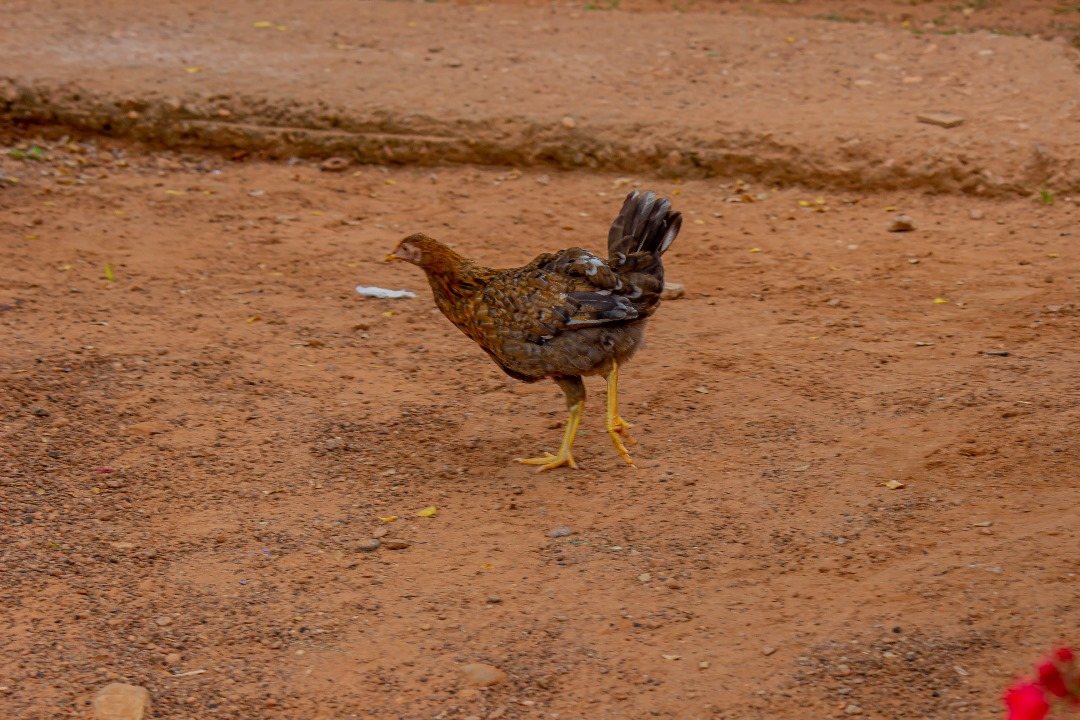
A hotel’s relationship with animals can begin long before a visitor reaches a wildlife attraction. It can sit on a breakfast plate, in a supplier contract or in the way a property manages animals on its grounds. Ghana’s Tourism Authority is consulting with the Animal Welfare League and industry stakeholders on a framework for the sector, according to Ghana News Agency’s October 21, 2026 report from Accra. The practical opportunity is to make those less visible decisions easier to question and verify.
GNA describes draft proposals covering animals in tourism businesses and responsible sourcing, including cage-free egg commitments. This is consultation, not evidence that a new binding national rule has already taken effect. The report says the authority plans further regional engagements and consideration of stakeholders’ views before determining its next steps. Neither a completed regulation nor industry-wide compliance can be inferred from that timetable. Visitors and operators need to know which stage a proposal has reached before treating it as an enforceable requirement.
A consultation is a chance to shape the rules
For hospitality businesses, meaningful participation starts with describing actual operations. An accommodation provider may buy eggs through a distributor, operate a restaurant and offer excursions sold by another company. Those relationships create different questions about responsibility and control. Our analysis is that a useful framework should make the boundaries explicit: what the business buys, what it directly manages, what a partner supplies and what evidence it can reasonably obtain. A broad statement about caring for animals leaves those important distinctions unanswered.
There is an existing history behind the current discussion. In its own account of the Ghana Hotels Association congress held in Takoradi on April 25, 2024, the Animal Welfare League described promoting cage-free egg sourcing and discussing cost and delivery logistics with members. That primary record establishes an earlier engagement, not a policy adopted this October. It also helps explain why procurement deserves attention alongside more visible animal attractions: an ethical intention has to work through an ordinary buying system.
A promise needs a scope, a date and evidence
An operator assessing a sourcing pledge can begin with four questions: which products are covered, which properties participate, when the commitment is meant to be fulfilled and how progress is checked. These are suggested accountability questions, not a claim that Ghana’s draft already requires a particular reporting template. A promise for a future date, a partial change at one property and a fully implemented purchasing policy should be described differently. The more precisely a claim is written, the easier it becomes to assess without either dismissing progress or overstating it.
The same discipline applies to supplier information. A buyer can ask how products are identified, what records accompany deliveries and what happens when the regular source cannot supply them. Cost, availability and transport need practical answers rather than a slogan. AWL’s 2024 account records that hotel members raised feasibility and logistics questions; it does not supply a current nationwide price comparison or prove that every producer can immediately meet every buyer’s needs. No saving, supply guarantee or farm endorsement is established here.
Animal encounters need their own questions. A hotel that advertises a visit involving animals can explain who runs it, what interaction is offered and how concerns are handled. Visitors can ask for that information before booking rather than relying solely on attractive photographs. A beautiful image is not an inspection report; equally, an unfamiliar operator should not be accused of mistreatment without evidence. The aim is to make the basis of a decision clearer, not to publish an unverified blacklist.
Questions visitors can ask without making accusations
Visitors can also separate different kinds of assurance. Ghana’s Tourism Authority provides information on business registration, licensing and classification through its official site. That does not mean this article has certified an individual establishment’s animal-welfare practice. A hotel rating, a sourcing pledge and a documented welfare assessment address different matters. Ask the property what its particular claim means, when it was last assessed and where supporting information can be read. A clear, limited answer is more informative than an impressive badge with no explanation.
For the consultation itself, the strongest outcome would be a framework that turns good intentions into responsibilities people can understand and evidence they can examine. That is our editorial assessment, not a finding that such a system already exists. The October engagement opens a discussion about how tourism treats animals in both visitor experiences and routine supply chains. The work ahead is to make the eventual standards practical, transparent and capable of being checked beyond the hotel brochure.