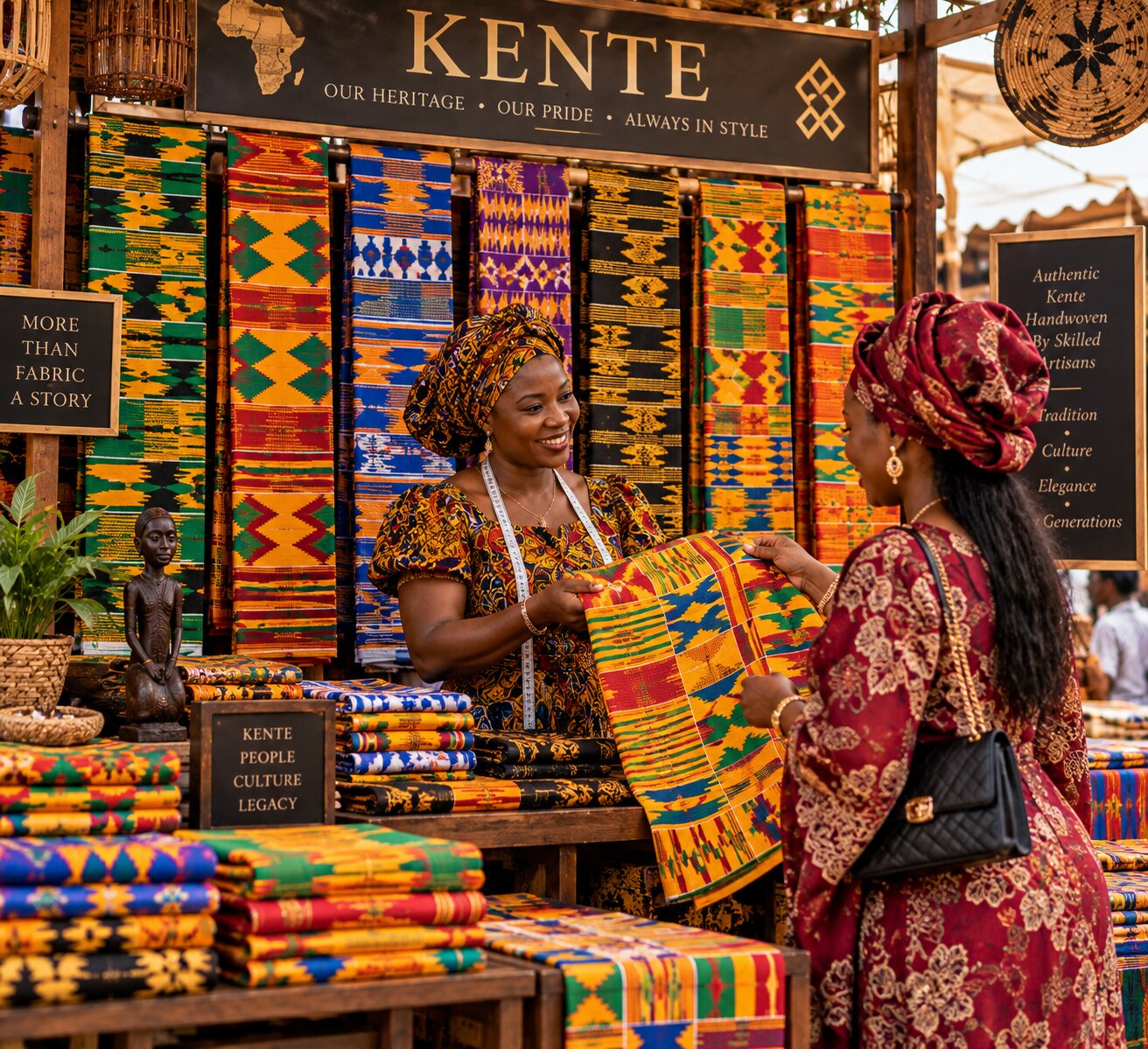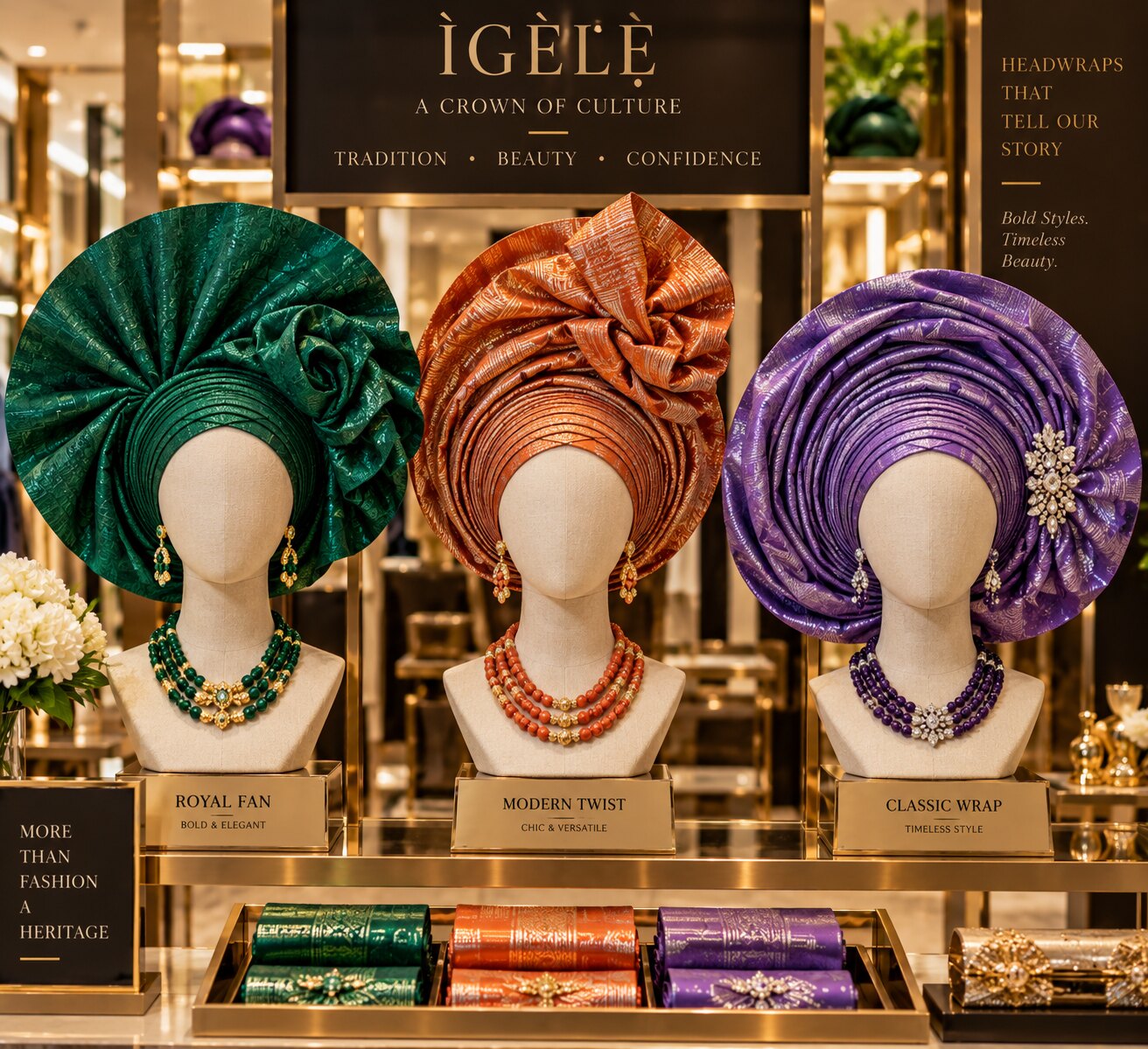
Aso ebi can make a celebration feel like a gathering of people who have chosen to belong together. Shared fabric gives photographs a visual rhythm and allows friends or relatives to recognise their group across a crowded room. The custom works best when participation remains an expression of affection rather than a test that someone can fail.
Explain the occasion, not an assumed rule
The V&A's Africa Fashion discussion places coordinated dress within a wider account of identity and celebration. This guide offers practical suggestions for hosts and guests; it does not claim that every Nigerian family follows the same rule. Weddings, birthdays and community events differ, and expectations are best explained directly rather than assumed.
Clear costs and a genuine choice
For a host, begin with the complete cost. State the fabric price, quantity, ordering method and collection or delivery arrangements. Make clear whether tailoring, accessories or transport are separate. Guests can make a considered choice only when the amount they are asked to pay reflects the real commitment.
Offer an alternative that still welcomes people into the occasion. A suggested colour palette, an outfit they already own or a simple accessory can give a guest a way to participate. A warm invitation loses its purpose if buying the specified cloth becomes more important than the relationship the gathering is meant to celebrate.
Give enough time for ordering, delivery, measurements and alterations. Agree on what happens if the cloth arrives late or an order cannot be fulfilled. Keep the arrangement in writing where money is being collected, and avoid passing unverified promises from a supplier to a group of guests.
Plan for comfort and another wear
For a guest, choose a tailoring plan that fits the budget and the event. Ask how much fabric the design requires and whether it will be comfortable for the expected weather and length of the programme. A garment that can be worn again may offer better value than one chosen solely for a single photograph.
Permission and attribution also matter when celebration images travel online. Ask before making another guest the focus of a public post, and credit the tailor or designer where the person wants to be named. A beautiful outfit is someone's work, while the person wearing it retains a choice about how their image is shared.
The best practical measure of a successful aso ebi arrangement is whether people feel included and informed. Clear costs, realistic timing and a graceful way to decline protect that purpose. Coordinated dress can then enrich the celebration without becoming an obligation that overshadows it.