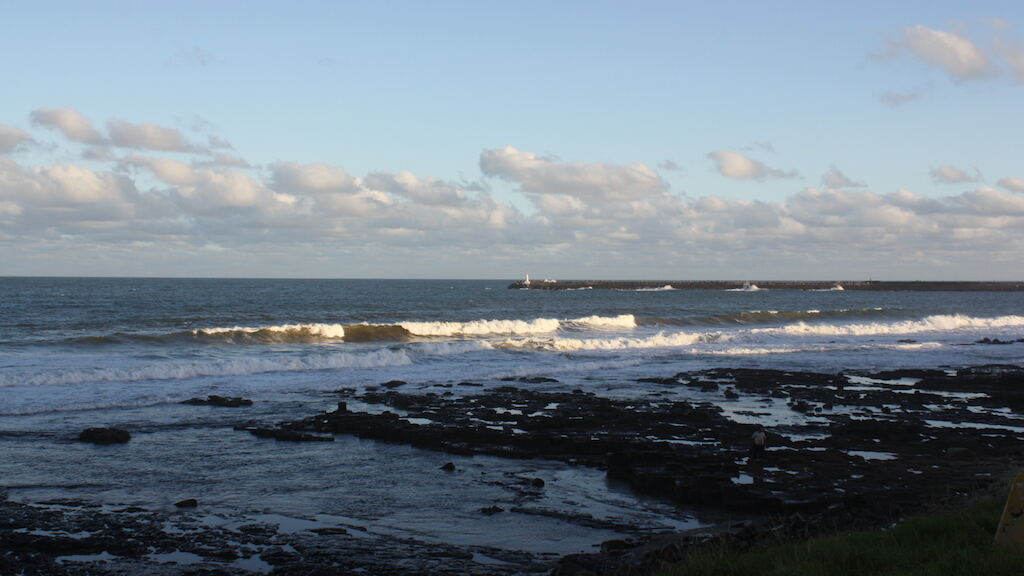
A 65-year-old woman died after a shark attack at Orient Beach in KuGompo City, formerly East London, on Tuesday, October 20, 2026. Eastern Cape police told the Associated Press that officers were called at about 7 a.m. and found the woman’s body. The Buffalo City Metropolitan Municipality confirmed the fatal incident and closed Orient Beach and nearby Eastern Beach.
The closures are in force until further notice. AP reports that the municipality will reopen the beaches only after safety assessments and expert advice. No reopening date was announced in the sources reviewed for this report, so travellers and residents should not treat a normal map listing, weather forecast or accommodation advertisement as proof that swimming has resumed.
What police and the municipality have confirmed
Police have opened an inquest, which is an investigation into the death rather than a finding of criminal responsibility. Reuters reports that the shark species was not immediately known. Describing the animal as a great white, or assigning a cause beyond the confirmed attack, would go beyond the evidence presently available.
Members of an open-water swimming group responded when the woman signalled distress and brought her ashore, according to AP’s account of an interview carried by public broadcaster SABC. A medic attempted to save her, but she was declared dead at the scene. Those details establish the rescue effort; they should not be used to circulate graphic material or unverified claims about the victim’s final moments.
The municipality has urged people to remain out of the water at the two closed beaches and to exercise caution elsewhere. Its guidance, as reported by AP, is to swim in designated areas during lifeguard hours, listed as 8:30 a.m. to 5 p.m. A lifeguard timetable does not eliminate risk, but it gives swimmers access to supervised areas and an organised emergency response.
Closure first, assessment before reopening
The city says its last fatal shark attack was recorded in 1997 and the most recent reported attack before Tuesday occurred in 2023. These local historical points indicate that fatal incidents are uncommon; they do not predict the conditions on a particular day or establish that another beach is safe. Current municipal notices should take precedence over historical averages.
For the local visitor economy, the accurate message is narrow: two named beaches are closed, not the whole Eastern Cape coast. Hotels, tour operators and travel pages should repeat the affected locations and the temporary nature of the restriction without advertising around the death or suggesting that every coastal activity has stopped. Any change should come from the municipality or beach authorities, not assumption.
People already in KuGompo should follow posted instructions, avoid entering the water at Orient and Eastern beaches, and check official local updates before making plans. Other beachgoers should stay within designated areas, heed lifeguards and leave the water when directed. Witnesses and relatives deserve privacy; unverified photographs, names or shark-identification claims do not improve public safety.
Safety information without turning tragedy into spectacle
The next verified development will be a municipal decision on whether the safety assessment supports reopening, or a police update from the inquest. Until then, this remains a fatal October 20 attack followed by precautionary closures—not evidence of a citywide marine emergency, a known species responsible or a reopened shoreline.