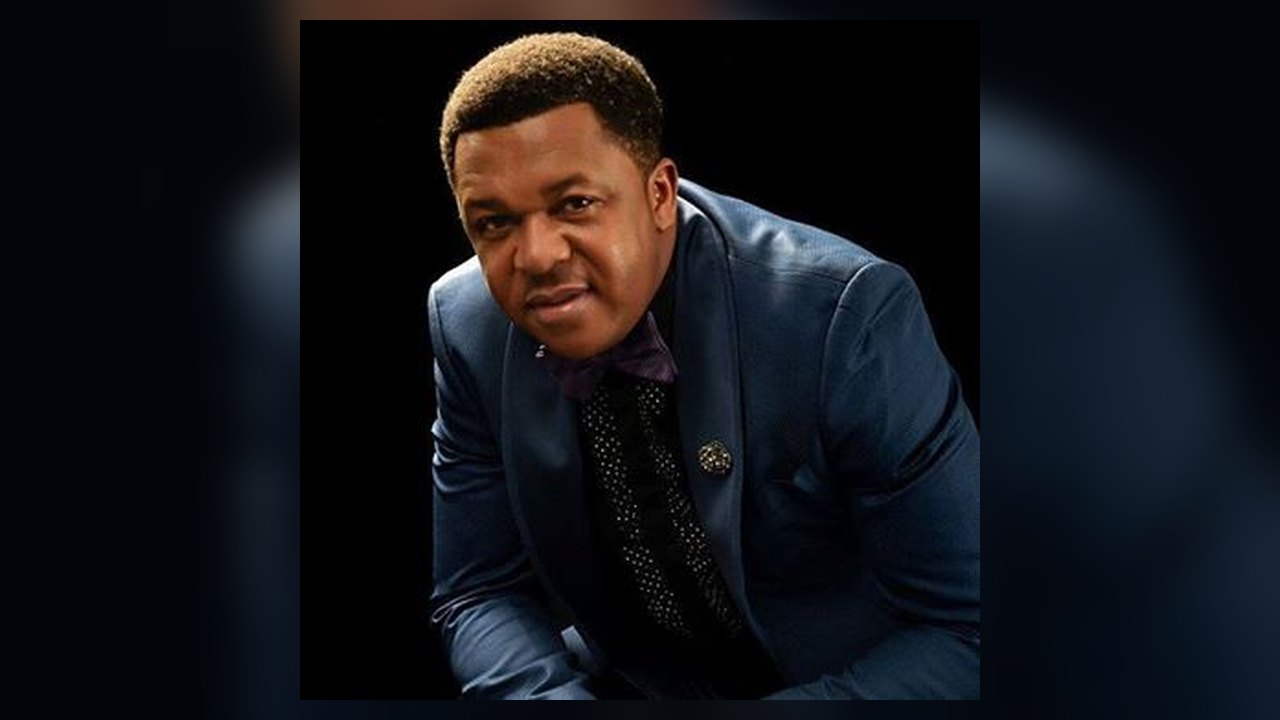
Nigerian actor Richard Francis Duru has died at 57, ending a career that connected Nollywood’s early video-film years with the industry’s later professional expansion. Nigeria’s State House published President Bola Tinubu’s condolence on October 23, and the actor’s family confirmed his death in a statement shared through his verified Instagram account.
The family said Duru died after a brief illness. It did not identify the illness, and responsible reporting should not fill that gap with speculation. Funeral arrangements had not been announced when early reports were published. The family asked for privacy as it mourns.
What the family confirmed
President Tinubu described Duru as a veteran whose work contributed to the growth of Nigerian film and extended condolences to his family, colleagues and admirers. A presidential tribute is an official response to the death; it is not the medical source for its cause. The family’s limited wording remains the most specific public account of the circumstances.
Duru began acting in 1989, before the home-video boom turned Nollywood into a mass-market screen industry. Reporting on his career identifies Missing Mark among his early work and records that he studied Theatre Arts at the University of Port Harcourt. His training and long working life placed him among performers who moved between stage discipline, television and film as production systems changed around them.
A career that began before the boom
His wider recognition came through Amaka Igwe’s 1995 film Rattlesnake, in which he played Ahanna. The title belongs to a formative period in Nigerian popular cinema, when stories circulated through video clubs, neighbourhood screens and family living rooms. Duru’s association with it made his face and voice part of the memory of that era.
Rattlesnake also shows why individual credits should be placed inside a collaborative history. Igwe’s direction, the ensemble and the production culture around the film all shaped what audiences remember. Duru’s performance is part of that achievement rather than a reason to erase other contributors. An obituary can recognise a defining role while keeping the film’s authorship and cast visible.
A career should not be reduced to one breakthrough. Duru worked across later films and television productions as formats, cameras, distribution and audience expectations evolved. Staying visible through those transitions required more than nostalgia: it meant adapting to new ensembles, production rhythms and generations of viewers without losing the authority he brought to a role.
Rattlesnake and a durable screen identity
That longevity also explains the scale of the reaction to his death. Audiences who first encountered him during the 1990s knew a different Nigerian screen economy from younger viewers meeting veteran actors through streaming catalogues, reruns and contemporary productions. His career formed a bridge between those viewing habits.
Duru also served the organised profession. Reports on his career say he became interim president of the Actors Guild of Nigeria in 2010. Guild leadership is less visible than a film performance, but it concerns working conditions, professional representation and the institutions actors need when an industry grows faster than its protections.
Service beyond individual roles
That institutional history matters because screen work can appear permanent while the people making it face irregular contracts, gaps between productions and weak welfare systems. One office-holder cannot solve those structural problems alone. Duru’s period in guild leadership nevertheless belongs in the record as service to the profession, alongside the performances by which audiences knew him.
The current Actors Guild of Nigeria leadership announced his death publicly and joined the family and industry in mourning. Those tributes establish the importance colleagues placed on his contribution. They do not require exaggerated claims about every production or award: the documented length of his career and his service to the guild already show a substantial professional life.
Duru’s death is also a reminder to preserve Nigerian screen history with accurate credits, interviews and production records. Early home-video films shaped audiences across Africa and the diaspora, but cast information, release histories and surviving materials can be scattered. Remembering an actor well means protecting the work as well as repeating the best-known title.
For viewers returning to Rattlesnake or discovering it for the first time, the useful tribute is attentive viewing: notice the performance within the ensemble, the choices that made Ahanna memorable and the film culture that carried the work into homes. For colleagues and family, the loss is immediate and personal. Na Wetin Dey Happen extends condolences without intruding on details the family has chosen not to disclose.