Felabration is a reminder that a musical legacy can be kept alive through participation. The 2026 Lagos festival is scheduled for October 12–18 at the New Afrika Shrine in Ikeja. By the time of this October 17 feature, reporting from the third day had documented live performances and a visibly shared sense of occasion. That evidence describes a particular night, not every performance in the week.
What has actually been reported
TVC News published its third-day account on October 15 and identified the event it described as October 14. Its report names Jay Flashy among the performers and records red-themed outfits among attendees. Keeping those two dates separate matters: the article’s publication date is not a new performance date, and it does not establish who is on stage tonight.
Voice of Nigeria’s October 10 preview gives the wider October 12–18 window and the theme Who Are You. It lists announced performers including Femi Kuti and The Positive Force, Made Kuti, and Seun Kuti and Egypt 80. An announced line-up remains different from a verified account of a completed set. This feature does not assign any of those artists an unconfirmed October 17 or October 18 slot.
More than a set list
The festival’s own history explains why the programme extends beyond a concert. Organisers identify Yeni Kuti as its founder and place its conception in 1998. They describe an October celebration that also includes debate, dance and visual art. Those activities offer different ways into Fela’s work: an audience can encounter the ideas, movement and visual expression around the music as well as the songs.
The theme provides a useful question for listeners, without prescribing a single answer. What makes a performance recognisably connected to a tradition: the rhythm, an ensemble’s interaction, the words, or the relationship with the audience? A tribute becomes more interesting when it allows musicians to make choices of their own. Treating every younger performer as an imitation would leave little space for a living scene to develop.
A practical listening and visiting guide
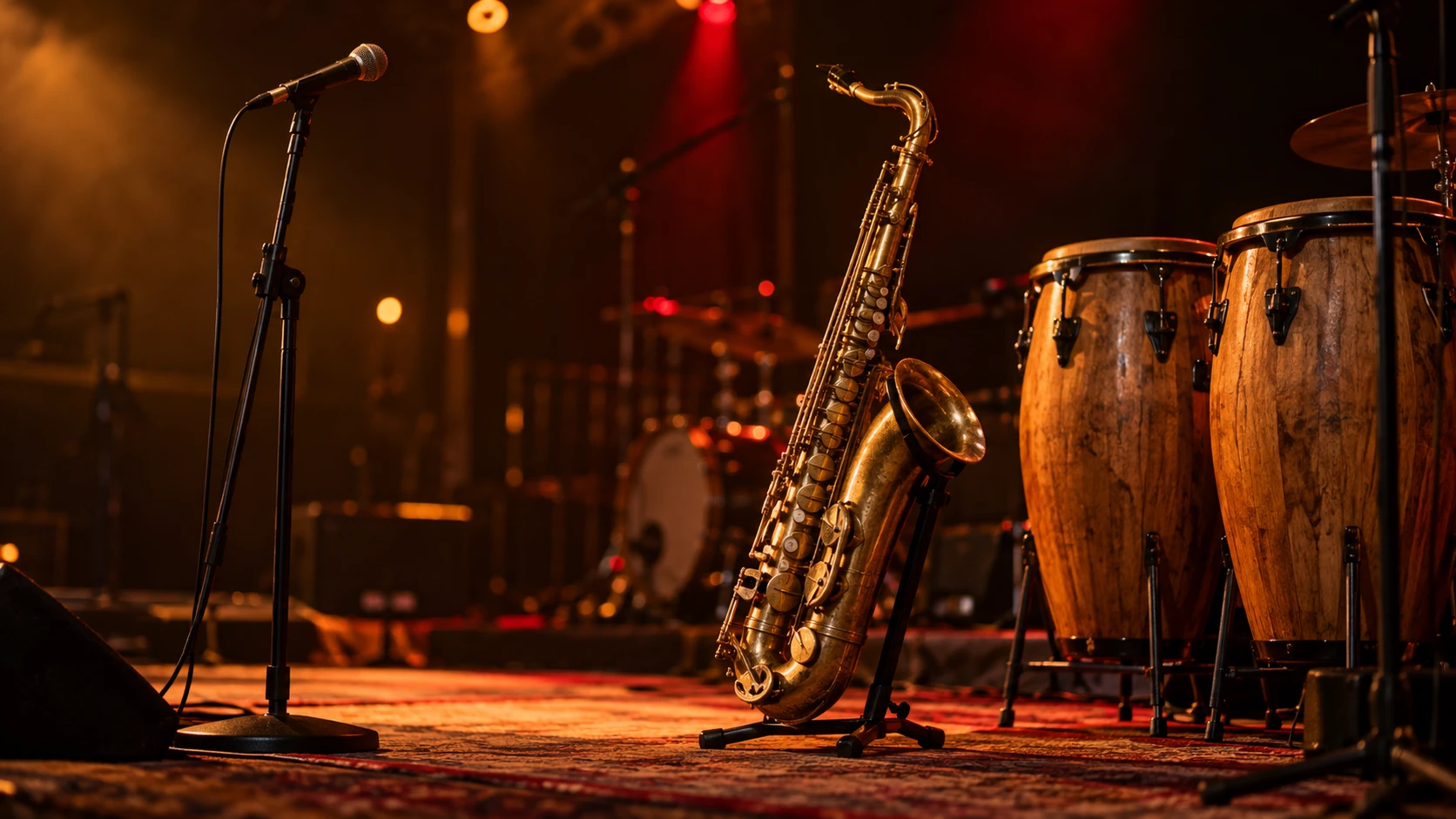
Try listening beyond the front microphone. Follow the percussion, notice how the horns enter and leave, and hear what repeated figures make possible for the rest of the ensemble. This is a listening suggestion, not a claim that every act uses the same arrangement. Different musicians can work within and around a shared musical inheritance while sounding distinctly themselves.
For a visit, confirm the current programme with the organisers and venue before setting out. Plan the return journey as carefully as the arrival, agree on a meeting point with companions and protect hearing near loud amplification. None of the sources checked here establishes a universal admission price, a guaranteed place or a timetable for the remaining nights, so those details should not be guessed.
For visitors buying clothing or creative work around a festival, ask who made the piece and what permission covers photographs or filming. A distinctive outfit is personal expression as well as a visual part of a crowd. Appreciating the atmosphere should leave room for the people involved to decide how their image and work are shared.
Keep the dates attached
The announced October 18 finish is still ahead as this feature is prepared. A later account should verify what happened at the final performances rather than convert an advance programme into a completed-event report. For now, the strongest story is already visible in the dated reporting: music, dress and audience participation remain connected parts of Felabration’s cultural life.