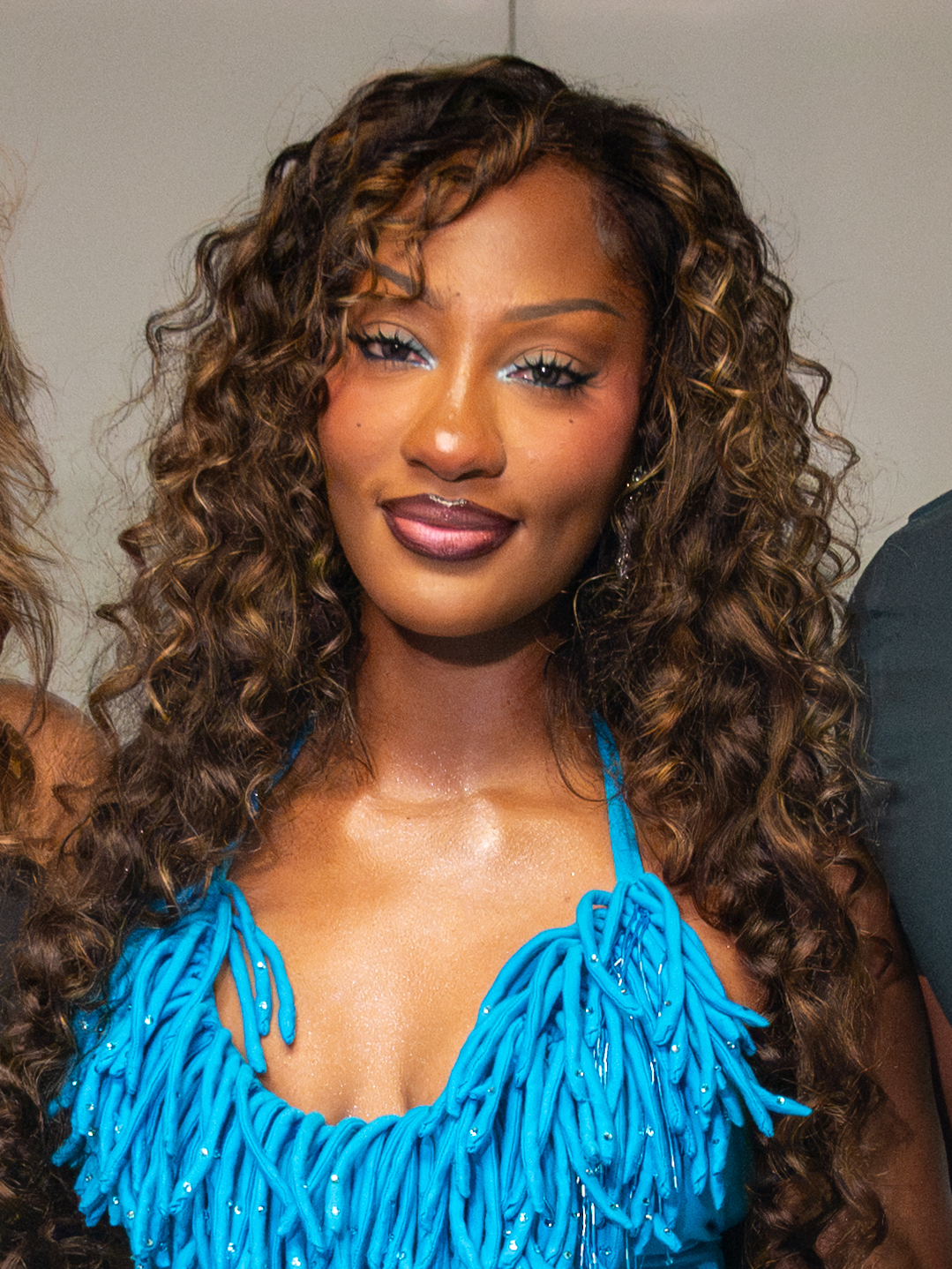
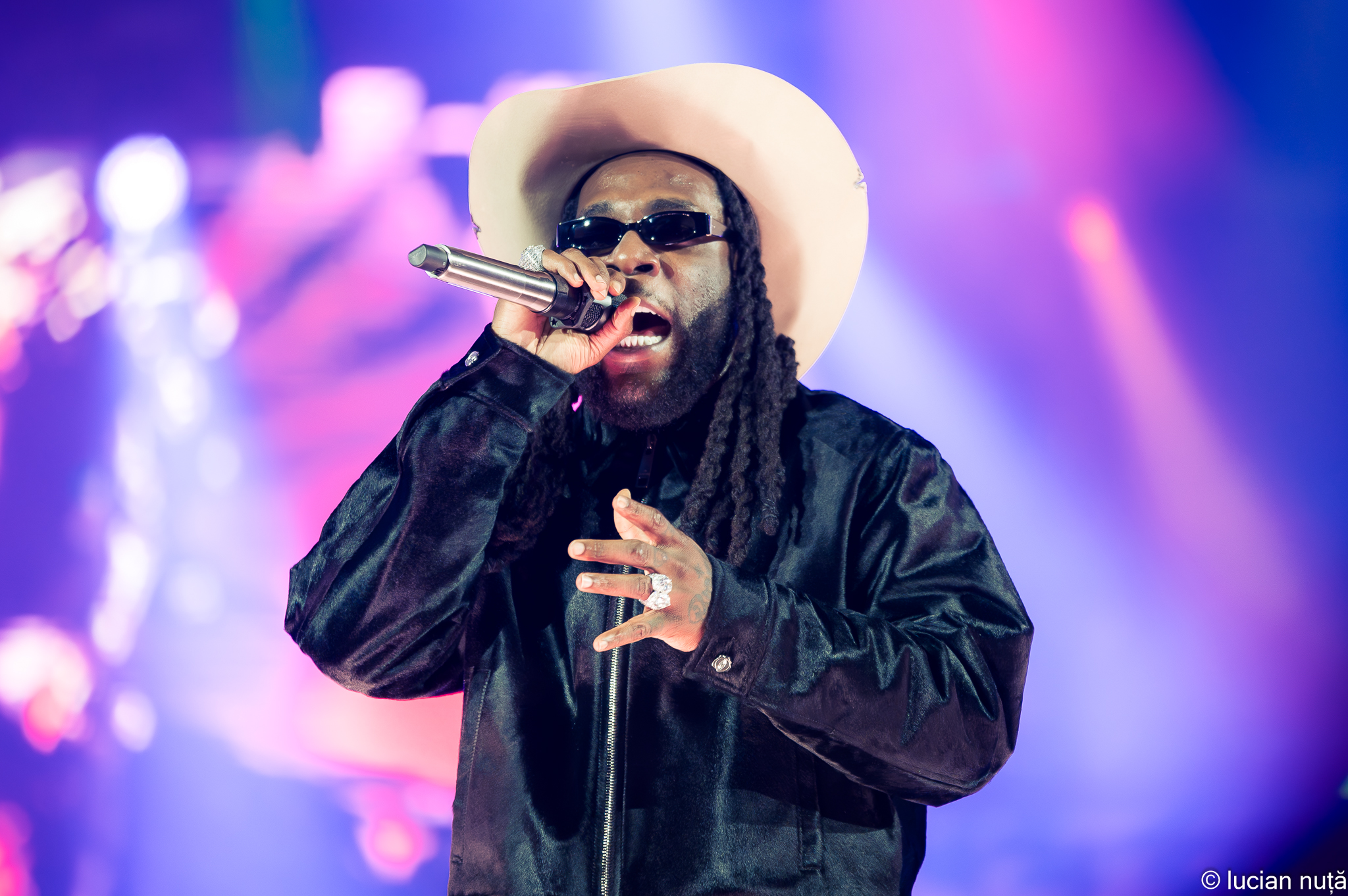
Nigerian music’s international reach is no longer captured by one breakout song or one triumphant awards night. Burna Boy, Rema, Wizkid and Davido offer different examples of how an artist can carry a recognisable musical identity into a much larger market. Looking at their achievements together shows a movement working through concerts, collaborations, repeat listening and sustained recognition. These are dated milestones in a continuing story, not claims of new records set today.
Burna Boy: a live audience at stadium scale
Burna Boy’s London Stadium show on 3 June 2023 supplied one striking measure of that reach. The venue had announced the booking as a landmark African headline event, and contemporary coverage documented the performance’s place in UK stadium history. A stadium concert asks something different from a successful single: people must choose to spend an evening with an artist’s catalogue, stage presence and musical world.
That distinction helps explain why Burna Boy matters beyond a list of trophies. His live career demonstrates the value of a body of work that can sustain an event of its own. Our interpretation is that such visibility expands the scale at which Nigerian performers can be imagined and booked. It is not proof that every subsequent Nigerian tour will fill the same venues, but it is a concrete precedent for ambition.
Rema: a song that crossed languages and markets
Rema’s route provides a different lesson. On 11 September 2023, Spotify announced that the version of Calm Down featuring Selena Gomez had passed one billion streams, calling it the first African artist-led track to enter its Billions Club. The milestone belongs to that collaboration; it should not be casually transferred to the original recording or described as a newly reached total in 2026.
Spotify identified the United States, India, Mexico, Brazil and the United Kingdom as the track’s largest streaming markets at the time. That geography matters as much as the headline number. It points to listeners well beyond Nigeria and a single diaspora market. A collaboration can introduce an artist to another audience, but continued replay is what turns that introduction into an enduring musical presence. Streams measure plays, however, not a billion different people.
Wizkid and Davido: continuity as well as crossover
Wizkid and Davido remain part of the international conversation in 2026. The Recording Academy lists Ayra Starr and Wizkid’s Gimme Dat, and Davido and Omah Lay’s With You, among the year’s Best African Music Performance nominees. Burna Boy’s Love was also nominated. South Africa’s Tyla won the category with PUSH 2 START. Recognising the Nigerian nominations accurately is more useful than turning them into victories they did not receive.
Those pairings also show why the story should not be reduced to a contest between famous men. Ayra Starr and Omah Lay are named collaborators, with their own artistic identities. The feature credit is part of the record, not a footnote to erase. Nigeria’s international presence grows through exchanges between generations and performers as well as through individual headline achievements.
The home audience belongs in the story
The audience at home remains central. In a report published on 23 February 2026, Spotify named Asake, Wizkid, Seyi Vibez, Burna Boy and Davido as its five most-streamed artists in Nigeria over the platform’s first five years in the country. That is a domestic, platform-specific ranking, not a ranking of the world’s biggest musicians. It nevertheless shows that international recognition and strong home listening can coexist.
The same report said Nigerian users listened for more than 1.4 billion hours in 2025 and that the number of Nigerian artists on Spotify had risen by 158% since 2021. Those figures describe one service’s expanding audience and catalogue. They cannot establish individual artists’ earnings or the size of the entire music economy. Their significance is the wider field of creators and listeners developing around the best-known names.
What deserves celebration is the range of routes now visible: Burna Boy’s live scale, Rema’s border-crossing hit, and the continuing recognition of Wizkid, Davido and their collaborators. A young musician need not copy any one of them to learn from that range. For listeners, the invitation is simpler: explore the albums and performances behind the familiar singles, read the collaborator credits, and follow Nigerian music as a living culture rather than a succession of league tables.