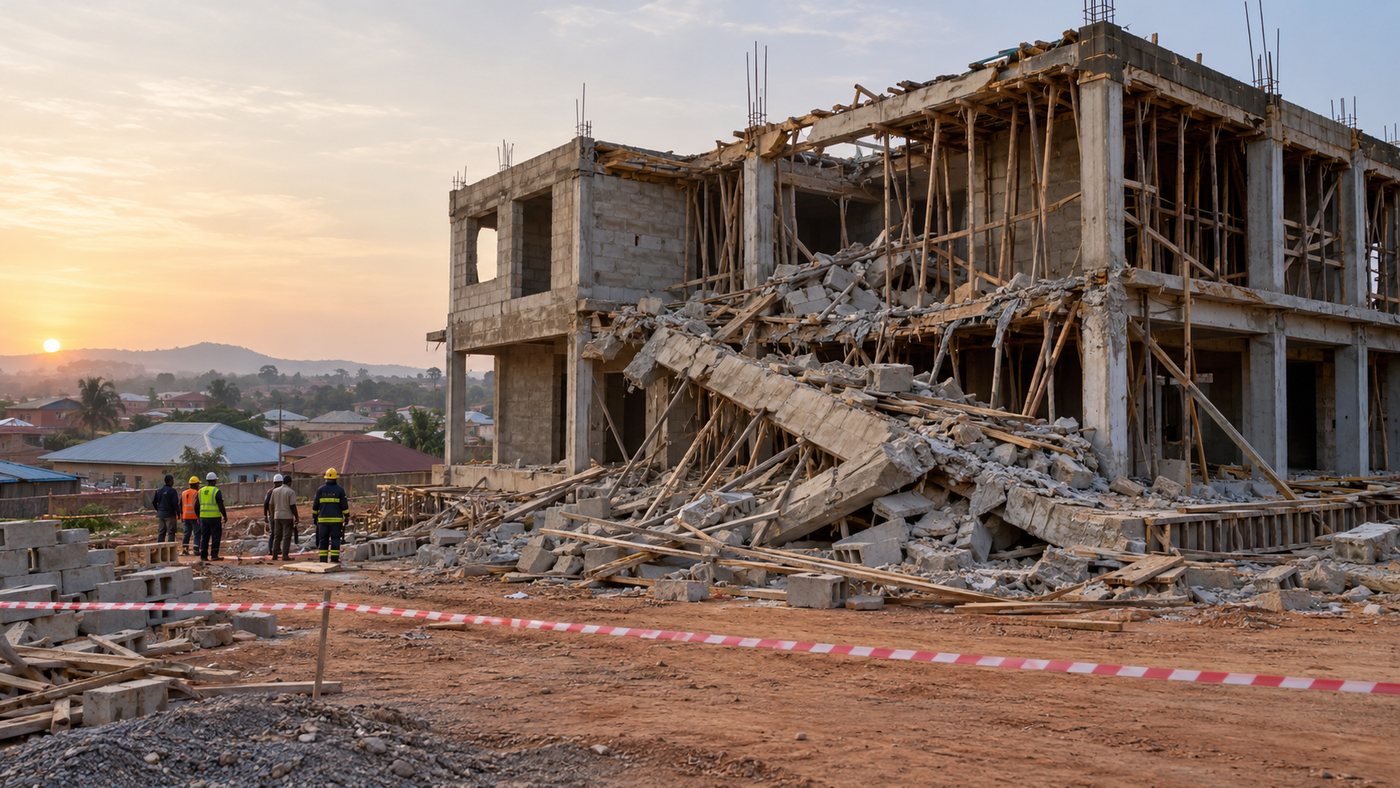
Rescuers in Eastleigh, Nairobi, have reported detecting two signs of life beneath the collapsed building, offering a new focus for a search that began after the October 23 disaster. Kenya Red Cross emergency operations manager Anthony Muchiri told Xinhua on Tuesday, October 27, that specialised equipment had identified two distinct signals. Detecting a signal is an important lead, but it is not confirmation that a person has been reached or brought out safely.
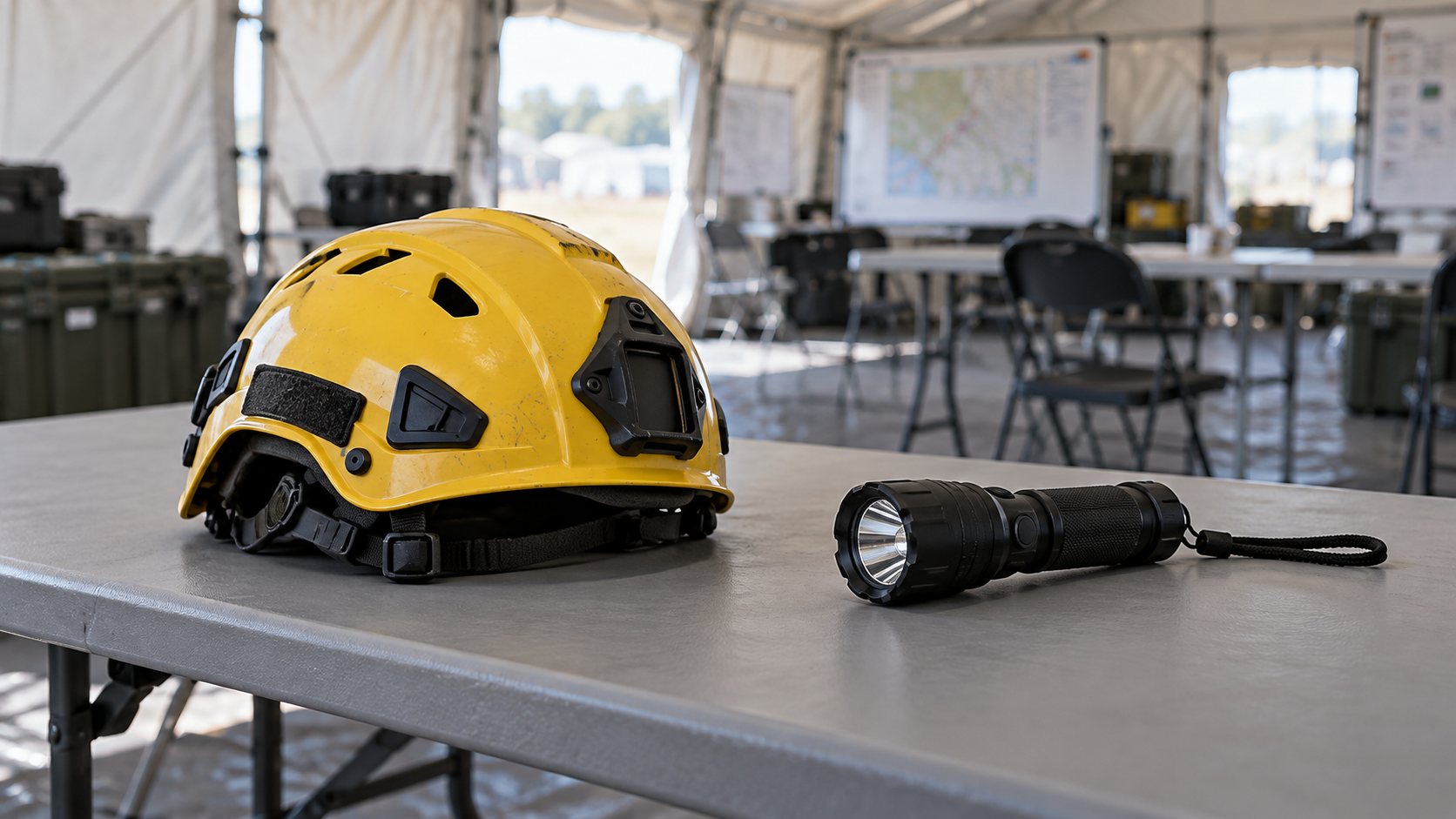
Xinhua reported that the Chinese humanitarian organisation Blue Sky Rescue arrived on Monday with radar life detectors, acoustic sensors and cameras, and that crews were clearing access towards the locations. Kenyans.co.ke also reported the detections on October 28, saying rescuers had not reached the two people by Wednesday morning. Neither account supports adding two to a completed-rescue total.
What the tracing register tells us
The missing-person register has also changed substantially since the earlier edition of this article. Reporting by Nation on October 27 and Standard on October 28 described 52 registered cases, with 32 closed and 20 still unresolved. Standard quoted Kenya Red Cross official George Okello explaining that closed cases included people reunited with their families and people rescued from the rubble. The arithmetic describes tracing work, not 32 rescues at the building.
A later Kenyans.co.ke headline gives 16 still missing. That lower figure should not be silently substituted for the dated, more fully explained register without a reconciled update. The figures here therefore retain their source dates: 20 unresolved cases in the October 27 accounts, with a subsequent lower report still requiring confirmation. Neither number establishes how many people are physically beneath the debris.
Rescue totals need separate confirmation
Nation reported six people rescued alive since the collapse, an increase on the four described in the Associated Press reporting used in our October 25 edition. Other accounts refer more narrowly to two people pulled from the rubble. Those descriptions need a common definition and time cut-off before they can be combined into one definitive current total. This update reports the six as Nation’s figure and keeps it separate from the newly detected signals.
Searching safely remains difficult. Standard quoted National Disaster Management Unit director Duncan Ochieng describing water and sewer systems beneath the site, the need to pump water out and the danger of unstable wreckage to responders. He said teams maintained a round-the-clock presence. These conditions help explain the demands of the work; they do not settle families’ concerns about its pace or establish that every operational decision was adequate.
Helping families find reliable information
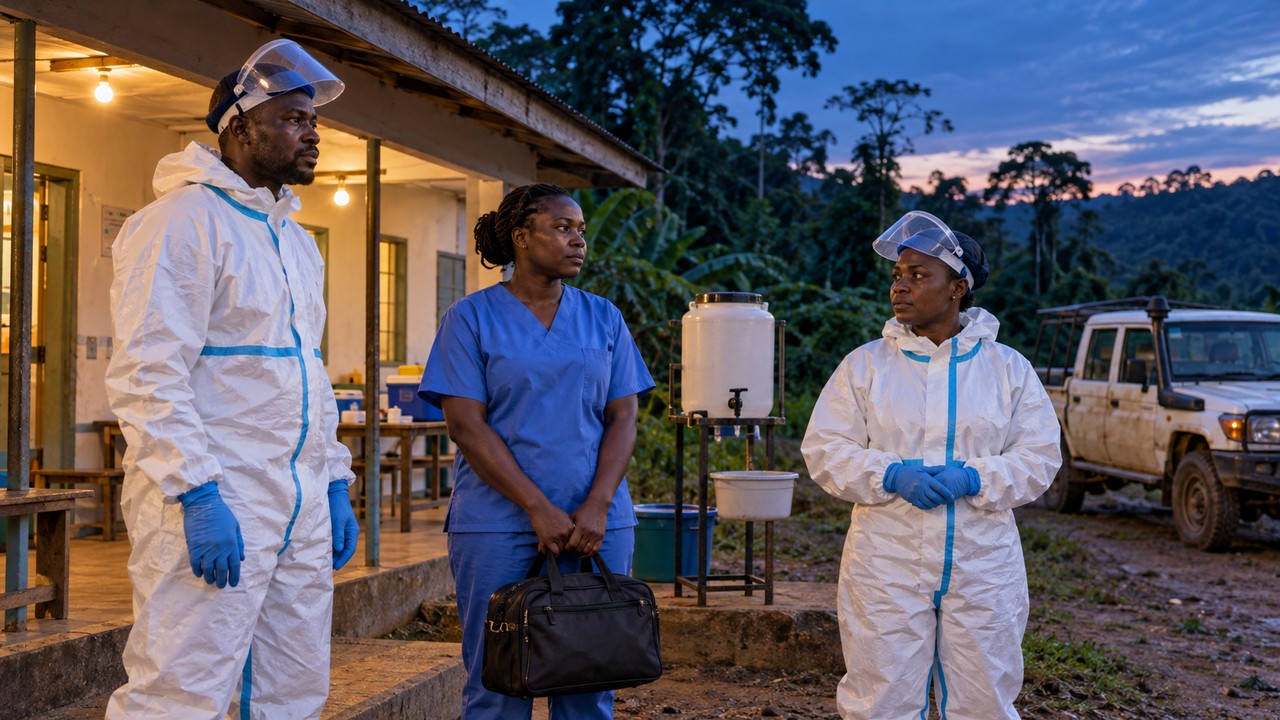
For families, a useful update needs more than a changing headline number. A tracing record should distinguish someone found elsewhere, someone brought out by rescuers and a person whose whereabouts remain unknown. Accurate identification and contact details help teams resolve reports, particularly where workers were initially identified by only one name. Families should give that information through the official tracing process rather than publish sensitive details in unverified online appeals.
Update note, October 28: this report replaces the October 25 headline and lead based on four rescues and 47 missing-person reports. The original publication date and URL are retained. New reporting adds the life-signal detections and a dated tracing reconciliation; differing later missing and rescue totals remain attributed. A verified extraction, reconciled register or official casualty announcement will require another update, rather than an assumption based on the size of the wreckage.