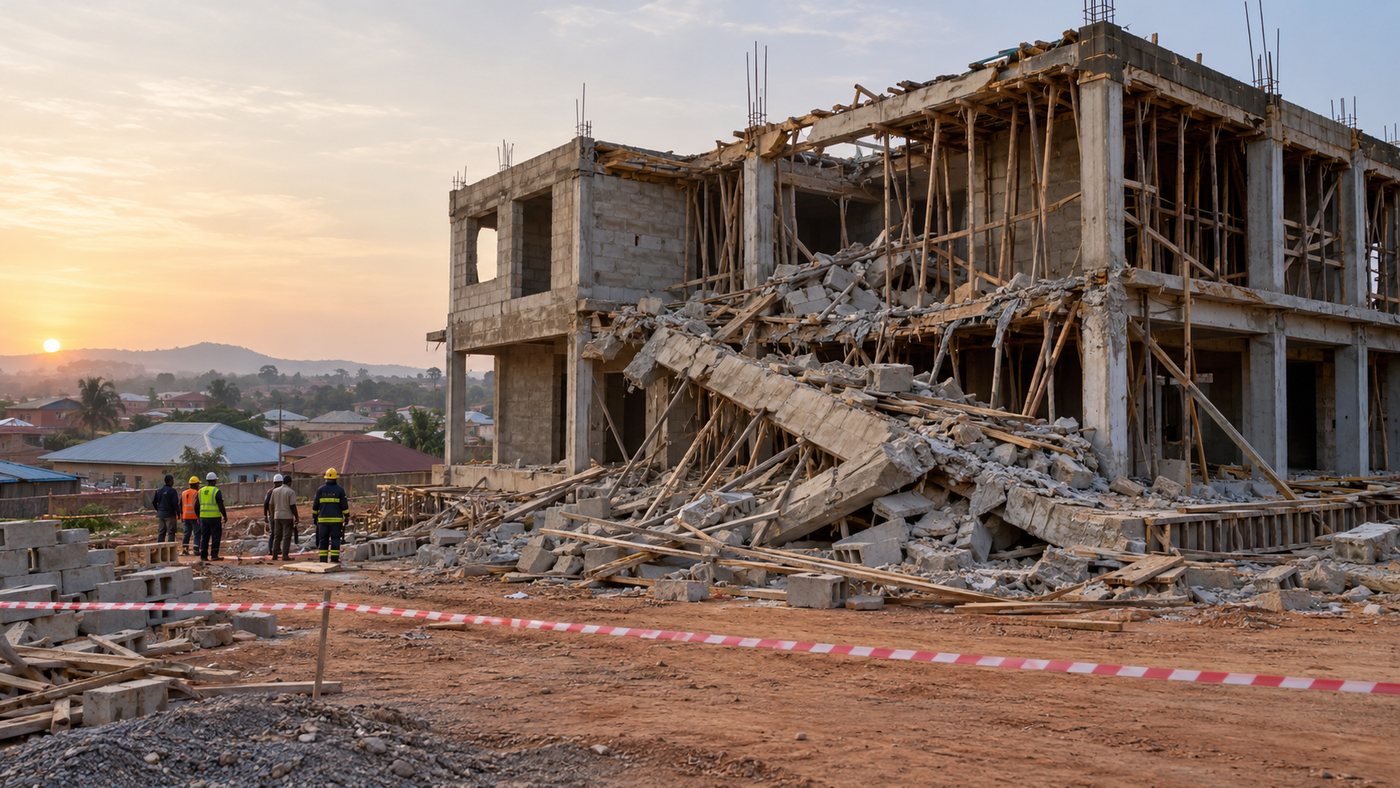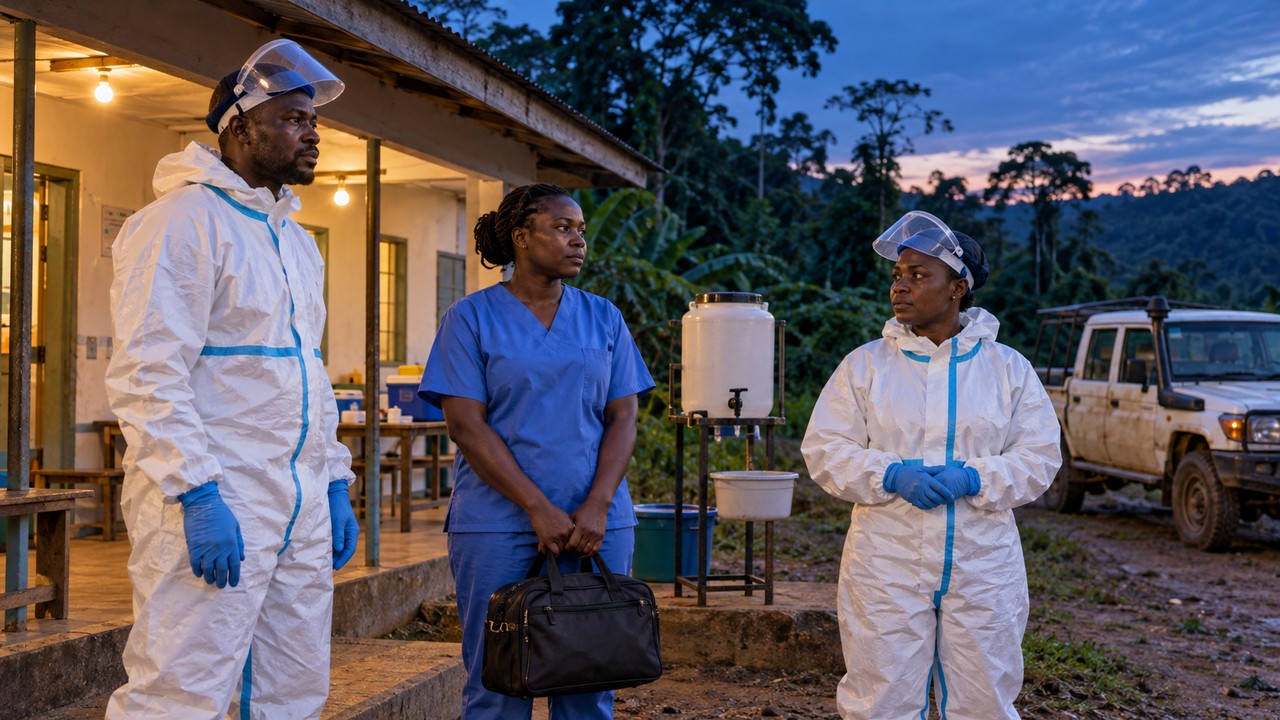
A nurse was killed and another health worker was severely injured while responding to an Ebola alert in Bafwasende, in the Democratic Republic of the Congo's eastern Tshopo province, according to the World Health Organization. The attack occurred on Saturday, October 24, and WHO leaders publicised it on Sunday.
Associated Press reported early Monday that WHO Director-General Tedros Adhanom Ghebreyesus and Africa regional director Mohamed Yakub Janabi condemned the violence. Local authorities had not publicly commented on the attack, identified suspects or described the circumstances. Those gaps mean motive, responsibility and the exact sequence remain unconfirmed.
What has been confirmed
The responders were answering an alert during the country's expanding Bundibugyo Ebola outbreak. WHO's October 23 outbreak notice recorded 9,704 confirmed cases and 4,687 deaths in Congo as of October 20, including 76 cases and 27 deaths in Tshopo. Those figures are dated surveillance totals, not a live count for the day of the attack.
Bafwasende's alert does not by itself establish that a new case was confirmed there. An alert is a signal requiring investigation, testing and appropriate precautions. Public reporting had not disclosed the patient's status, the location within the town or whether the assault interrupted testing, contact tracing or care. Until a competent health authority reports a laboratory result, readers should not turn the response team's presence into a diagnosis or assume that Bafwasende has recorded a new confirmed infection.
The unanswered questions
The attack follows other violence and threats directed at people involved in the response. AP reported that a Congolese politician who publicly defended Ebola controls was beaten to death in North Kivu in September, while health-centre tents had earlier been burned and some response teams had been threatened or held captive. Each incident still needs its own documented investigation.
Violence against responders can make an outbreak harder to control even when it does not occur inside a treatment centre. It can delay investigation of alerts, discourage workers from accepting deployments, interrupt safe transport and make families less willing to report symptoms or cooperate with contact tracing.
Why attacks obstruct outbreak control
The danger is especially serious when an outbreak depends on rapid local action. WHO says control requires early identification, laboratory confirmation, isolation and care, contact tracing, safe burials and community engagement. A gap in any one of those steps can allow transmission to continue unseen.
WHO issued operational guidance in August for protecting health care during the eastern Congo response. It calls for risk-informed prevention, mitigation and adaptation within field planning, and for incidents affecting health care to be documented, analysed and reported through established mechanisms. A public condemnation should therefore be followed by a recorded investigation and practical changes to deployment safety.
Protection needs more than condemnation
Protection does not mean surrounding every clinic with force or treating frightened communities as hostile. Response teams need local risk assessment, clear routes for reporting threats, safe transport, trained security support where appropriate and plans that do not turn health facilities into intimidating spaces. Staffing plans should also cover what happens after an incident: medical and psychological care for colleagues, continuity for patients and a safe way for local workers to advise commanders before another team is sent into the same area.
Community trust is also an operational requirement. People should receive prompt explanations of what an alert means, what testing involves, how families can communicate with isolated patients and how complaints will be answered. Misinformation can cause harm, but officials must also confront the legitimate grievances and history that make rumours persuasive.
Trust and accountability must move together
Accountability must cover both the attack and the quality of the response. Authorities should establish who was harmed, notify relatives, identify the attackers through lawful investigation and publish enough information to show whether the incident exposed a preventable security failure. They should also protect witnesses and avoid collective punishment.
The verified position at publication is limited but grave: WHO says one nurse was killed and another health worker severely injured during an Ebola-alert response in Bafwasende; the attack happened on October 24; and no public suspect or motive had been established. The next update should come from identified authorities and distinguish investigative findings from community claims or online speculation.