The Ebola outbreak in the Democratic Republic of Congo has reached Nord-Ubangi, its eighth affected province, national health authorities confirmed on October 18. Reuters reports two confirmed cases there, including one death; AP independently corroborates the expansion. AP places the cases in Wapinda health zone. Nord-Ubangi borders the Central African Republic, making this a geographic development rather than simply a larger national total.
A new province, and a dated national count
Reuters’ October 18 account cites the situation report through October 16: 9,415 cumulative confirmed cases and 4,536 deaths. These figures supersede the October 13 national snapshot previously leading this article. They are not counts of people becoming ill or dying on October 18, and the two Nord-Ubangi cases should not be added again to a cumulative total that may already include them.
For response teams, a newly affected area creates practical questions about testing, safe care and tracing people who may have been exposed. It does not establish transmission in every community within that province or across the border. This article makes no new estimate of undetected infections, no claim of containment and no inference that a neighbouring country has cases merely because it shares a frontier.
Update record, October 19 at 02:04 UTC: the headline, current figures and geographic lead now reflect the October 18 confirmation. Our earlier headline, ‘Congo Ebola cases pass 9,000 as deaths reach 4,381, Health Ministry figures show’, described the October 13 cutoff. The preceding reporting below remains as dated history, including the distinct contact-tracing denominators. The original September 2 publication timestamp, article URL and clearly dated 2019 photograph are preserved.
Earlier reporting: October 13 and preceding updates
The Democratic Republic of Congo’s Health Ministry reported 9,066 laboratory-confirmed Bundibugyo Ebola cases and 4,381 deaths in figures released on Tuesday, October 13. The reported case-fatality ratio is about 48.3 per cent. These are cumulative confirmed counts subject to revision, not an estimate of every infection and not a prediction of an individual patient’s outcome.
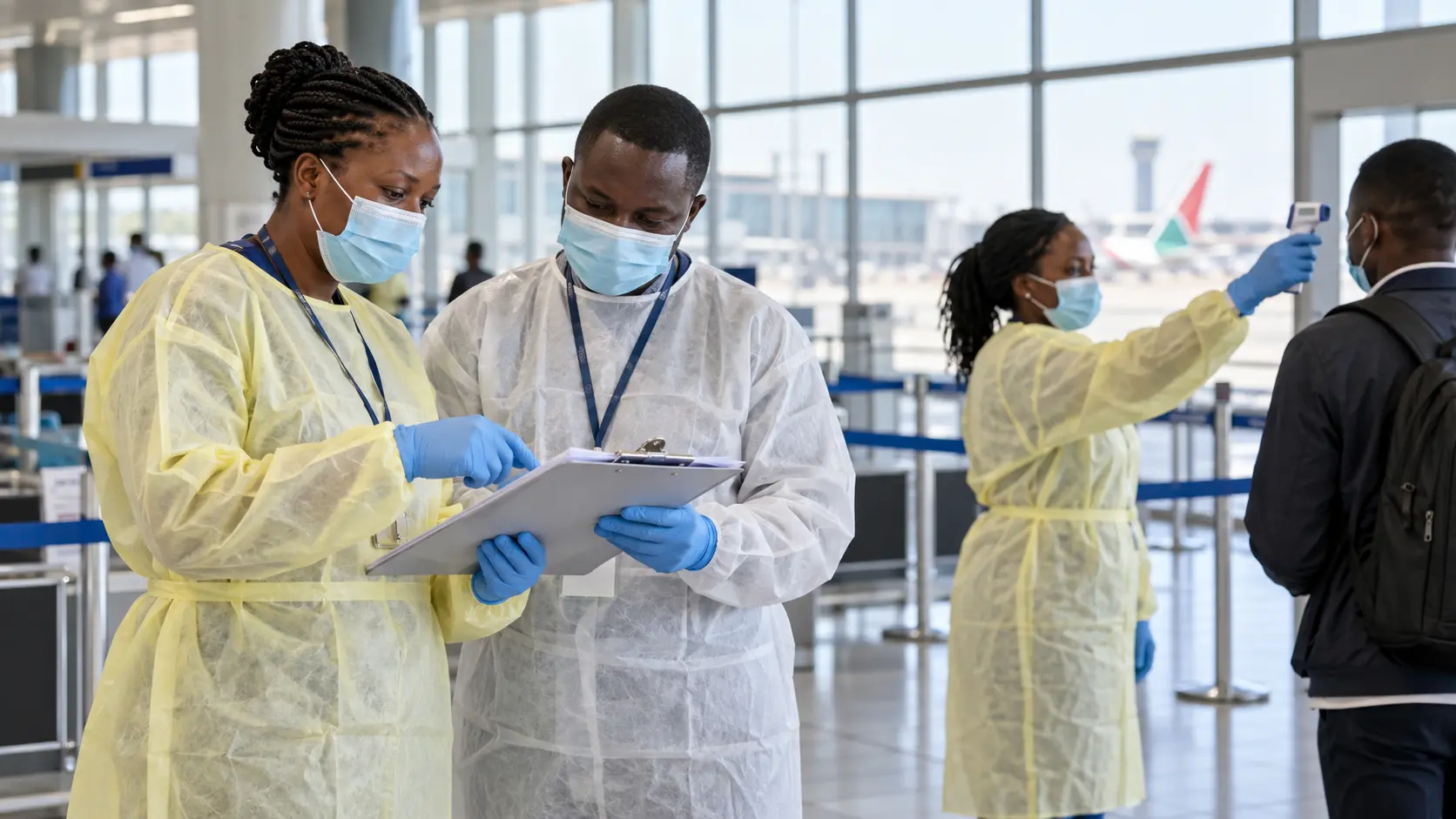
The latest report says the outbreak has reached 65 health zones across seven provinces, one more affected zone than the World Health Organization recorded in its October 8 disease-outbreak notice using data through October 6. The geographic expansion matters because each new health zone requires surveillance, safe isolation, laboratory access, trained treatment teams and community-based contact follow-up.
The ministry’s new total is 338 confirmed cases and 176 deaths higher than the WHO snapshot through October 6. The difference reflects a later reporting point; it should not be interpreted as a seven-day incidence rate without a complete daily line list and reconciliation of delayed reports. Outbreak totals can also change when laboratories, provincial teams and national authorities harmonise records.
Officials cited by the Associated Press estimate that confirmed cases may represent only about one-third of infections. That is an estimate of under-detection, not an additional confirmed case count. The gap is plausible where insecurity, distance, delayed testing and community reluctance prevent sick people from reaching treatment, but it must not be added mechanically to the ministry total.
Deaths outside treatment centres remain a central warning sign. The October 13 reporting says many recorded deaths are occurring away from specialised care, where safe isolation, supportive treatment and infection-prevention procedures are harder to maintain. That pattern increases the risk that family members, health workers and burial participants are exposed before Ebola is recognised.
Earlier North Kivu and WHO benchmarks
For comparison, WHO’s outbreak report published October 8 recorded 8,728 confirmed cases and 4,205 deaths as of October 6, with a 48.2 per cent reported case-fatality ratio. WHO then listed 64 affected health zones across seven provinces, including newly affected Alimbongo in North Kivu. Those figures are retained as a dated benchmark, not the current total.
WHO reports that 23,741 of 29,535 identified contacts were under follow-up as of October 4, or 80.4 per cent, below the target of 85 per cent. This measures follow-up among contacts already identified. It is distinct from Africa CDC’s earlier estimate of the share of all expected contacts successfully traced; the two percentages cannot be substituted for each other.
WHO was informed of an imported case in Kenya on October 5; Kenya’s ministry announced it on October 6. The traveller had reached Nairobi on October 3 and died on October 5. Investigators are tracing contacts. This confirmed imported case does not itself establish sustained community transmission in Kenya, and WHO advises against blanket travel and trade restrictions.
Earlier reporting retained for context: the Democratic Republic of Congo reported 8,603 laboratory-confirmed Bundibugyo Ebola cases and 4,148 related deaths from data collected through Sunday, October 4. The European Centre for Disease Prevention and Control published those government figures on October 6 and warned that national data remain under continuous review and harmonisation. They replace the October 1 totals previously carried in this article.
The national total now conceals a geographic shift. Ituri remains the most affected province cumulatively, but North Kivu has become the main source of new infections, accounting for about 40 per cent of newly confirmed cases compared with 24 per cent at the end of August. Médecins Sans Frontières says new hotspots are appearing around Beni, Butembo and neighbouring areas even when one locality records a temporary decline.
North Kivu had recorded 1,729 confirmed cases and 1,005 deaths across 17 of its 34 health zones through October 4. Its reported case-fatality rate—about 58 per cent—is the highest among Congo’s seven affected provinces. That percentage describes recorded outcomes across a population; it cannot predict an individual patient’s chance of survival and may change as delayed cases and outcomes are reconciled.
Earlier contact-tracing measures: different denominators
Contact tracing is the central warning in the October 7 update. Africa CDC Director-General Jean Kaseya told the Associated Press that only 23 per cent of expected contacts of Ebola patients had been traced and that more than 70 per cent of new cases were being found outside known contact lists. In practical terms, response teams are frequently discovering infections after transmission chains have already moved beyond the people they were monitoring.
A separate official data series says 79.7 per cent of identified contacts were under follow-up on October 4. The two percentages are not interchangeable: the lower Africa CDC figure concerns the larger estimate of contacts who should have been found, while the higher figure measures follow-up among people already identified. Publishing either number alone would give readers an incomplete picture of the surveillance gap.
Late access to specialised care is compounding the risk. Africa CDC said at least 60 per cent of deaths were occurring outside Ebola treatment centres. MSF reported that, as of September 28, 34 per cent of confirmed patients in North Kivu were still being treated in non-specialised facilities because dedicated centres lacked beds or diagnoses arrived late. Those facilities and their workers may face greater exposure if infection-control systems are weak.
Care, community trust and the historical response
MSF supports a 29-bed Ebola treatment centre at Kitatumba, a 16-bed transit centre at the Catholic University of Graben and a five-bed transit facility in Musienene. The organisation says these additions remain insufficient for a province where several outbreaks are developing at different intensities. A temporary fall in Butembo cannot be treated as provincial control while Beni or another health zone is rising.
Community trust is also a medical intervention. Health officials described families who were reluctant to report a death, permit post-mortem sampling or delay a funeral. Because the body of a person who dies from Ebola remains highly infectious, safe and dignified burial teams, local leaders and clear communication are essential to breaking transmission without alienating communities.
Conflict, mining, trade and displacement create constant movement across North Kivu and its borders. Kenya’s first confirmed imported case, announced October 6 after a traveller from Congo died in Nairobi, shows the regional implications without proving community transmission in Kenya. WHO continues to assess risk inside Congo as very high and risk for neighbouring countries as high.
Scientific studies continue, but none offers a proven shortcut. Trials are examining obeldesivir after suspected exposure and whether the Ervebo vaccine, licensed for Zaire ebolavirus, can protect against Bundibugyo virus. Enrolment is not evidence of efficacy. The immediate response still depends on rapid testing, isolation and supportive care, safe burials, infection prevention and complete contact tracing.
Ebola spreads through direct contact with the blood or other body fluids of a person who is sick or has died, or through contaminated materials. People do not transmit the virus before symptoms begin. Panic and stigma can drive patients away from care; prompt reporting of symptoms and trained support can interrupt transmission.
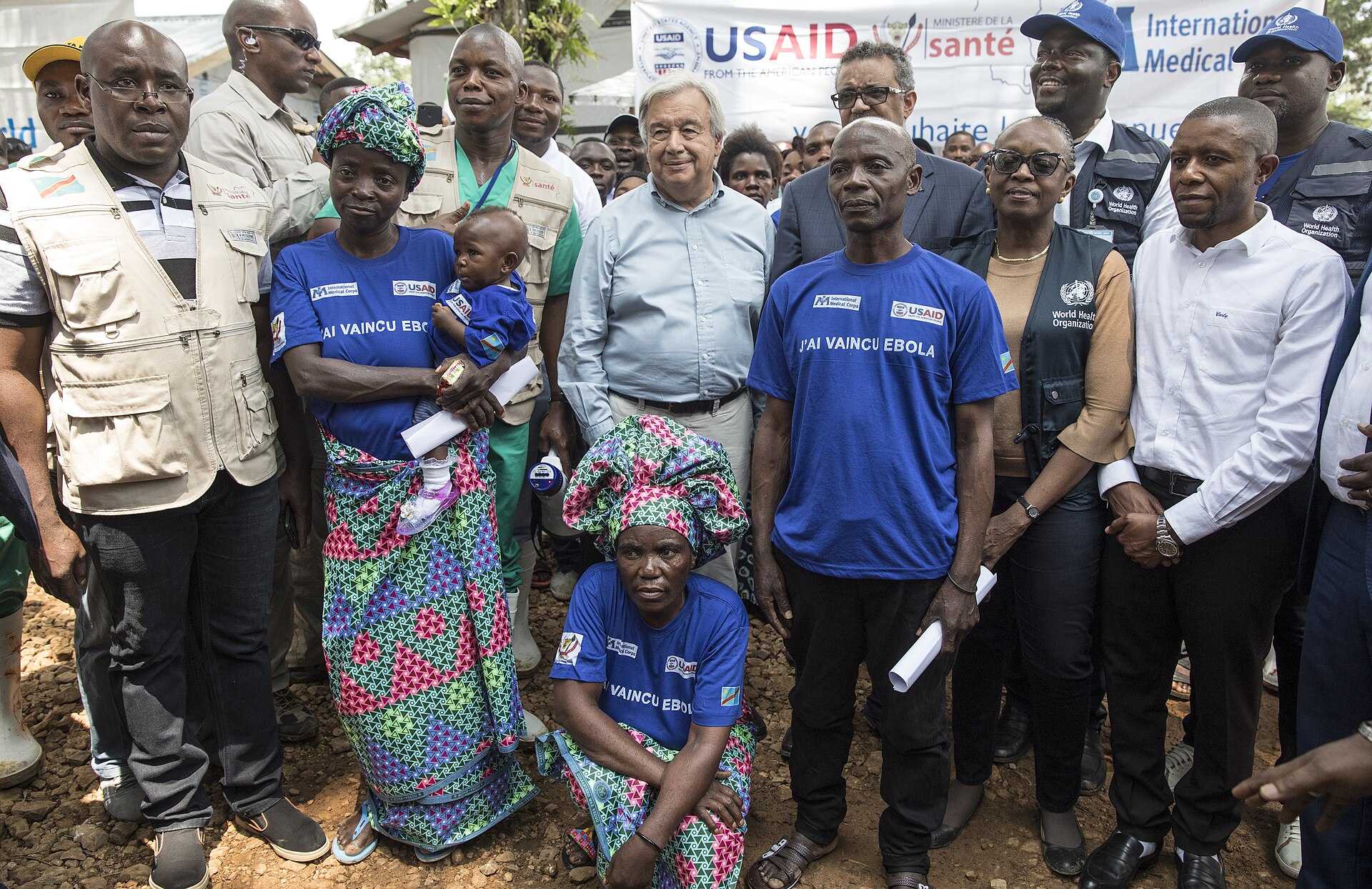
Update note, October 13: the headline, lead and fact box now use the Congolese Health Ministry figures released October 13—9,066 confirmed cases and 4,381 deaths across 65 health zones. WHO’s October 8 notice remains below as dated context. The under-detection estimate is clearly separated from laboratory-confirmed cases. Previous October 9 update: the article incorporated WHO totals through October 6. The archival photograph remains clearly dated and is not presented as an image of the 2026 outbreak.