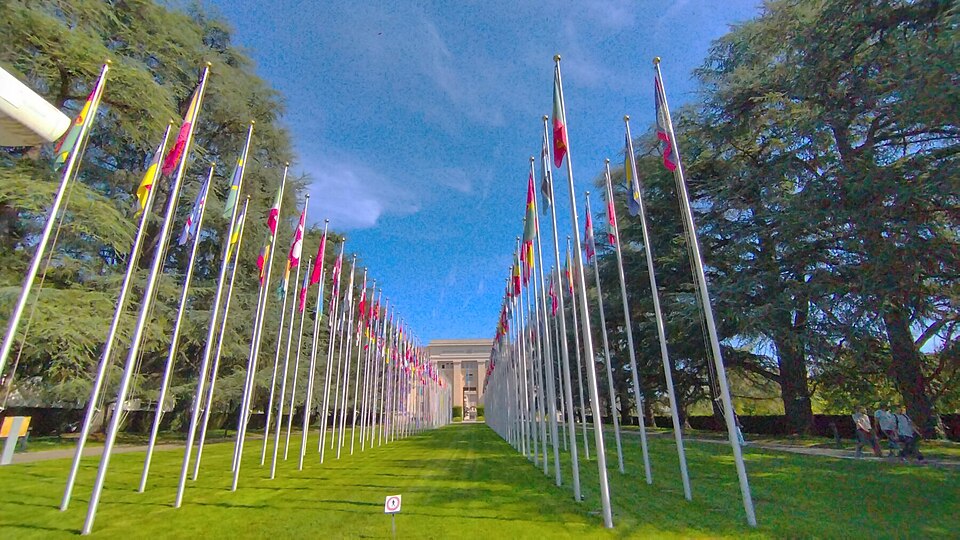
International efforts to end Sudan’s war returned to Geneva on October 21, 2026, as United Nations and Swiss officials convened governments and regional organisations at the Palais des Nations. The gathering sought to bring competing diplomatic efforts into closer alignment. Africanews’ October 22 account, attributed to AP, reports that neither the Sudanese Armed Forces nor the paramilitary Rapid Support Forces was represented. That absence sets an important limit on the story: this was coordination among external actors, not a direct agreement between the belligerents.
The Swiss foreign ministry announced the sixth consultative meeting on October 20. Its notice named UN envoy Pekka Haavisto and Swiss foreign-affairs state secretary Alexandre Fasel as co-chairs and set out an agenda of de-escalation and an inclusive political process. Sudan Tribune’s account of the October 21 proceedings corroborates the meeting and leadership. Readers should keep those dates separate: an advance announcement on Tuesday, a meeting on Wednesday and reports appearing on Thursday describe one diplomatic event, not three successive breakthroughs.
What the Geneva meeting was designed to do
Switzerland’s advance statement identified Sudan’s neighbours, major international powers and bodies including the African Union, European Union, IGAD and Arab League as participants. It placed the meeting within a consultative process dating to June 2024. The practical issue is whether those actors can make their initiatives reinforce one another. A crowded conference can demonstrate attention and shared language; it does not by itself establish that the armed forces responsible for fighting have accepted a common timetable or a mechanism for enforcing it.
Sudan Tribune reports that participants called for a halt to foreign support that fuels the conflict and expressed concern about the civilian impact of drone warfare. It also describes demands for genuine engagement in de-escalation and a humanitarian truce. These are reported diplomatic positions. They should not be converted into a finding against an unnamed supplier, a new sanctions decision or evidence that weapons transfers have stopped. Any such development would require its own attributable documentation and an effective date.
Humanitarian access is a separate test
The Swiss notice said humanitarian agencies would brief delegations before the main meeting, with access to people in need and respect for humanitarian law among the priorities. In its October 20 account, the ministry put the population needing assistance at approximately 34 million. That is a dated estimate cited by the host government, not a fresh headcount produced by this publication. It helps explain the urgency of the discussions without proving that a particular corridor, convoy or delivery has subsequently been authorised.
The distinction matters to families watching from Sudan and the diaspora. A diplomatic appeal for access is different from an operational notice that a route is usable. An agreed pause would still need clear parties, timing, geographical scope and arrangements for monitoring compliance. This is an editorial explanation of what to look for, not a report that those conditions have been met. Nothing in the sources reviewed establishes a newly implemented nationwide ceasefire or a general assurance that travel through contested areas is safe.
What would count as a material breakthrough
Sudan Tribune also reports support for a Sudanese-owned political process involving civilian voices, including women and young people, and plans for another consultative meeting whose date and venue remain undecided. The meaningful next questions are therefore concrete: who joins negotiations, what obligations they accept, and whether civilians experience improved protection and access to assistance. A promise to meet again can sustain diplomacy, but it should remain labelled as a next step rather than an outcome for communities on the ground.
Geneva has supplied another attempt at international coordination during a war that began in April 2023. The immediate news is renewed diplomatic engagement and the positions reported from that meeting. The larger test remains implementation. Our assessment is that coverage should follow decisions and observable changes as closely as public declarations: a signed commitment, an independently documented reduction in violence or a verified expansion of aid access would each warrant a different headline from the one the present evidence supports.