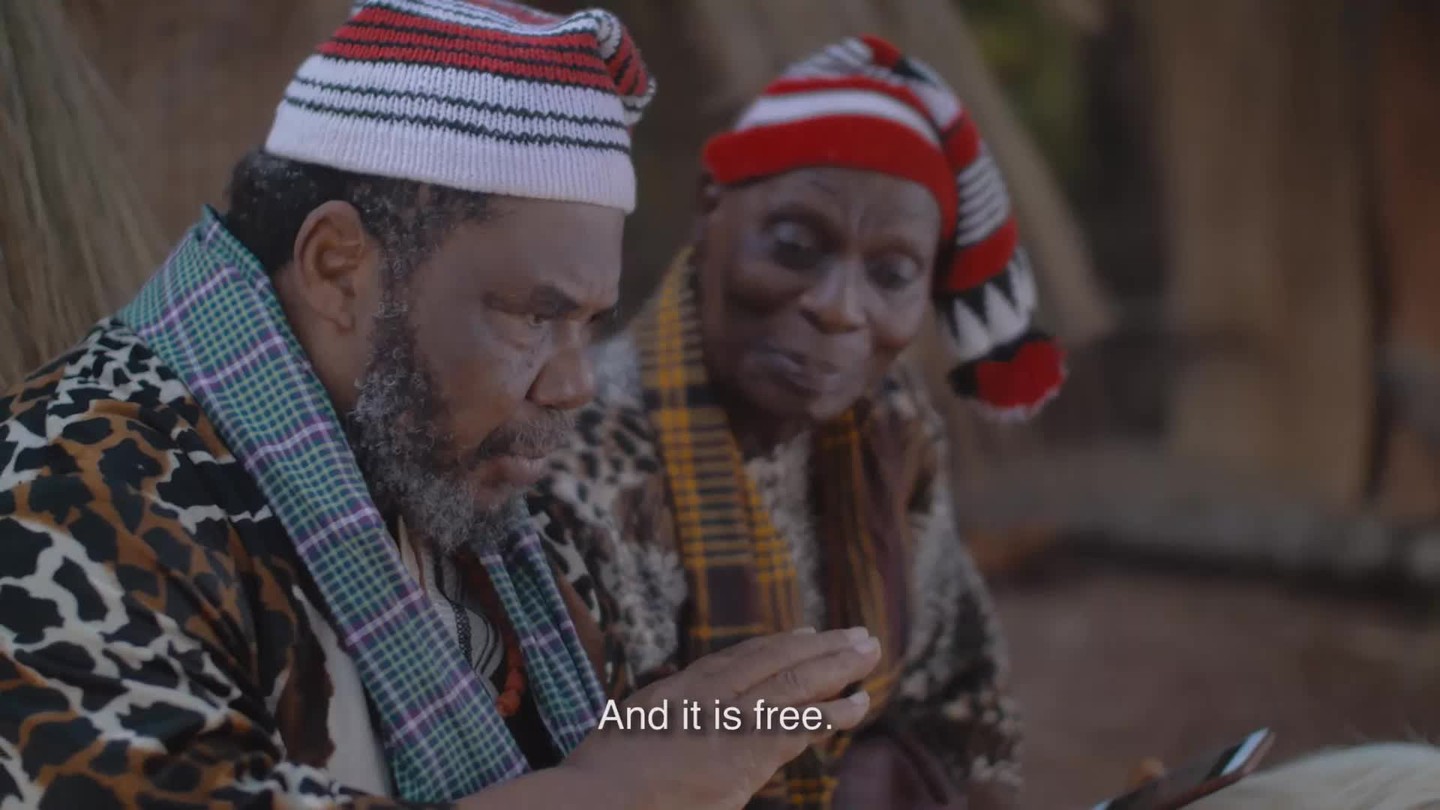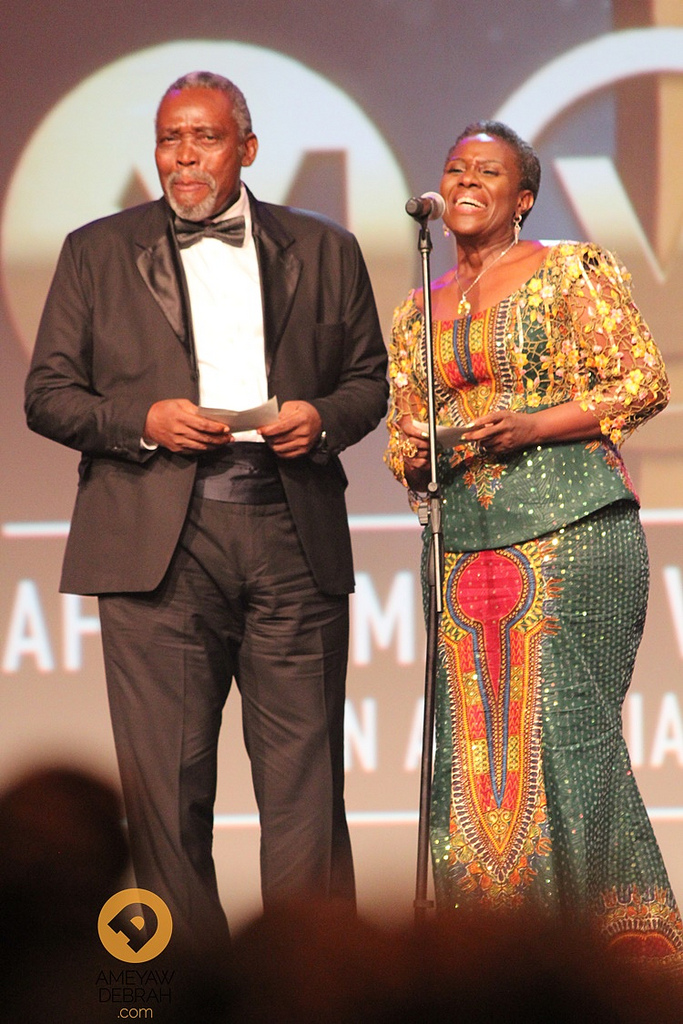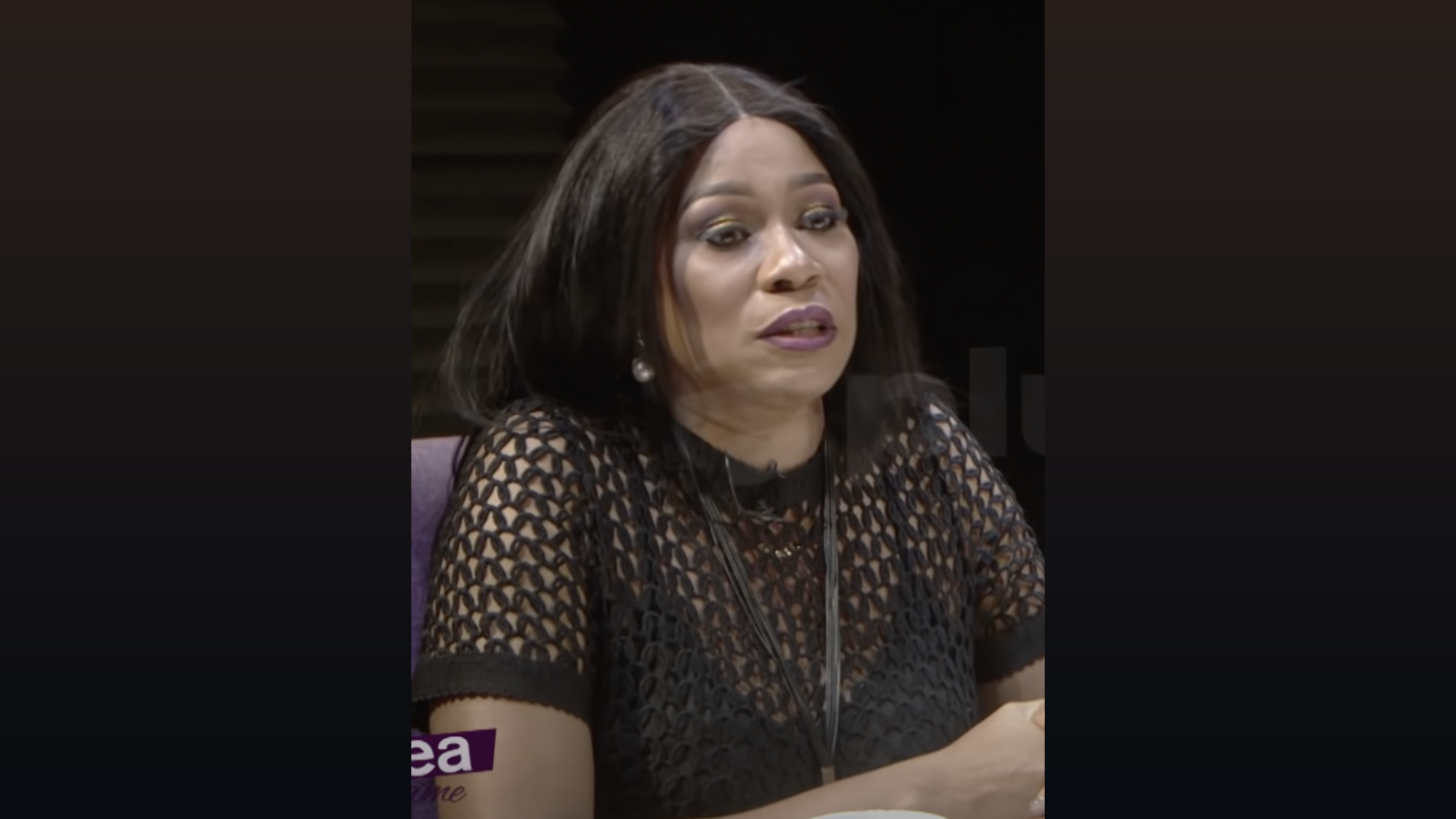
Whenever Regina Askia comes to mind, I remember a brief encounter with her in Nigeria, during the period when I knew her to be working with DBN. I have no elaborate conversation to reconstruct for this piece. What has stayed with me is my admiration for her natural talent, and the feeling that this was someone whose work I wanted to see more of. That personal memory is the starting point of this editorial, rather than a substitute for the public record of her career.
So let me ask the question plainly: did Regina Askia leave the scene when the ovation was loudest, or did she leave when many of us were still asking for more? Those possibilities can coexist. A performer can remain vivid in the audience’s imagination precisely because the next chapter we expected never arrived. But nostalgia becomes unfair when our disappointment is treated as evidence that the performer made the wrong decision.
Before the nostalgia, get the history right
First, the chronology matters. The late 1980s belong to her pageant emergence: her own biography records the Miss University of Lagos crown in 1988. Her defining television breakthrough came in 1993, as Tokunbo Johnson in the NTA soap Fortunes, later Mega Fortunes. The star I am remembering belongs principally to Nigerian television and the Nollywood films of the 1990s and early 2000s. Calling her an eighties Hollywood star would misplace both her achievement and the industry she helped build.
Born Imaobong Regina Askia Usoro in Lagos, with family roots in Akwa Ibom, she moved through modelling into screen performance. Her official biography records a Biology degree from the University of Lagos and the Afro Hollywood London Best Actress in Nigeria award in 2000. That award’s name should not be confused with a career established in the American studio system. Nigerian achievement does not need an imported identity to become significant.
Her filmography includes Most Wanted, Full Moon, Suicide Mission, The President’s Daughter and Festival of Fire. These are useful entry points into her work, not a complete account of it. In his January 2021 retrospective for THISDAY, Ferdinand Ekechukwu placed her among the recognisable stars of the home-video period. What that history demands now is more than an affectionate list of titles: it demands that the performances remain available for serious viewing and criticism.
A talent larger than the beauty-queen label
To my mind, Askia’s contribution begins with presence. A memorable actor gives an audience someone to follow, resist, distrust or recognise. Tokunbo Johnson, described in the career record as a gold-digging character, was a role that made her widely known. It also points towards a critical question about the parts available to women: how often did the writing allow ambition to become a full human motive, rather than a shortcut to moral judgment?
That question should be asked of the scripts as well as the actress. It is too easy to praise a woman’s glamour, then blame her for the narrowness of the roles through which the industry sold that glamour. At the same time, beauty and celebrity cannot do the work of criticism. Admiration for Askia should not require us to declare every film excellent, every character complex or every performance beyond challenge. A substantial legacy can survive an honest assessment of its limits.
The enduring achievement I see is that she helped make a Nigerian screen personality memorable on Nigerian terms. Her movement from pageantry and advertising into television and film connected different kinds of public visibility. The risk in remembering her only as a beautiful face is that it repeats the very reduction a proper appreciation should resist. The more useful discussion concerns what she made audiences expect from a character, and what further roles might have tested her abilities.
Where is Regina Askia today?
Where, then, is she today? The latest dated interview reviewed for this editorial is Ferdinand Ekechukwu’s THISDAY conversation published on September 5, 2026. Askia-Williams described her life as a Family Nurse Practitioner and the founding of Regina Medical Services, whose doors, she said, opened in New Jersey in 2023. Her own biography also identifies healthcare work in New York and the New Jersey practice. This is the professional picture supported by those sources, rather than a claim about her whereabouts on any particular day.
The transition involved formal study. BellaNaija reported her completion of Wagner College’s Family Nurse Practitioner programme on May 11, 2018, carrying her graduation announcement. That detail matters because reinvention is often made to sound effortless when a famous person does it. Returning to education means accepting assessment, acquiring skills and doing work for which a familiar name cannot stand in. Her second career deserves that seriousness, without turning this cultural editorial into an endorsement of a healthcare service.
Nor does the evidence support a simple story of permanent disappearance. THISDAY’s January 30, 2021 report documented her work on Web, playing Olivia opposite Ramsey Nouah’s Desmond. That contemporary account concerned a return to a production; it does not by itself establish a sustained comeback or the film’s present viewing availability. Still, it is enough to challenge the convenient idea that she walked away once and closed the door forever.
The ovation is only half the story
The most revealing answer to the ovation question comes from Askia herself. In a January 3, 2021 PUNCH interview with Mobola Sadiq, she said her nursing schedule left insufficient time to shoot films, and expressed no regret about the direction her life had taken. Her account was about work, time and the future she was building. We should hear that explanation before supplying a more theatrical farewell on her behalf.
In a separate THISDAY interview published on March 28, 2021, she also explained that the apparent fortune of her Nigerian celebrity years had not provided a steady income. That is a consequential distinction. Applause measures attention; it does not show whether an artist has predictable earnings, time to recover or a workable future. A critic who ignores those conditions can mistake a rational professional choice for the wasting of a gift.
Did she leave while we still wanted more? As an admirer, my answer is yes: I would have liked to watch that talent encounter more demanding scripts, different directors and the possibilities of age. That is my judgment, not a survey of Nigerian viewers. We cannot know which films she would have made, what awards she might have won or whether remaining would have been better for her. The unwritten filmography is a reason for curiosity, not a debt she owes us.
Did she leave when the ovation was loudest? Perhaps that is how the memory sounds from the seats. From the stage, there may have been other sounds: the working day ending, another responsibility beginning, the need for a different kind of security. The evidence does not establish one definitive peak or a single final exit. My conclusion is that our hunger for another performance says something about her impact, while her choice of another profession says something about her independence.
What Nollywood should do with its memory
For Nollywood, the useful response is to preserve the work and create opportunities worthy of the experience. That means accessible film archives, reliable credits, thoughtful interviews and roles for veteran women with lives beyond a familiar stock character. A return, if she wants one, should begin with a good script and professional terms. It should not depend on persuading an established woman that another occupation has made her less of an artist.
My DBN memory remains small and personal. The larger record is a woman who helped shape the screen culture I remember and then invested in another kind of work. I can regret the performances we did not get while respecting the life she chose. Perhaps the fairest tribute is this: Regina Askia left many of us wanting more, but she was entitled to want more from life as well.