Pete Edochie can change the temperature of a scene before he raises his voice. A pause, an unhurried look or a sentence delivered with measured force can make an audience anticipate a decision. That ability helps explain his lasting place in Nigerian television and film: he made age and authority dramatically compelling, while leaving room for viewers to question the man exercising them.
A career shaped by broadcasting
His acting career did not begin in a vacuum. In a 2015 Daily Trust interview, Edochie discussed his broadcasting work, a BBC training course in 1980 and his appointment as pioneer director of ABS 3 FM Stereo in 1987. Radio offered a demanding apprenticeship in clarity, timing and attention. The connection between that discipline and his later screen delivery is an interpretation of his work, rather than a claim that broadcasting alone explains his achievement.
Okonkwo: strength with tragic limits
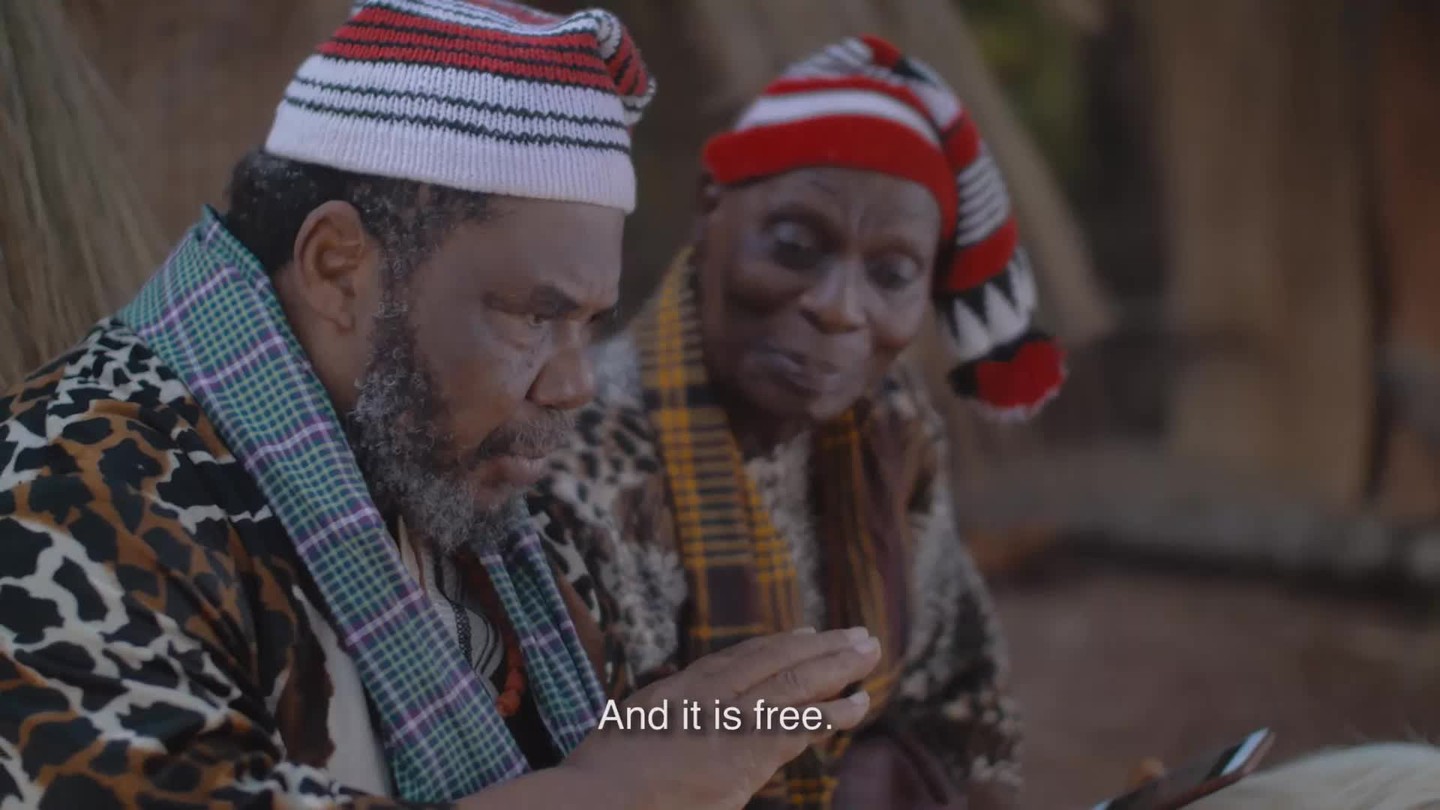
The major landmark is the Nigerian Television Authority's 1987 adaptation of Chinua Achebe's Things Fall Apart. Edochie played Okonkwo, the ambitious man whose fear of weakness becomes destructive. Premium Times' 2025 career retrospective identifies the production and role. A television adaptation brought a major Nigerian literary character into homes, giving the story a voice, posture and face beyond the printed page.
Okonkwo is more complicated than an image of masculine strength. A useful reading of Edochie's performance asks what the character cannot acknowledge: tenderness, uncertainty and a changing social order. The tragedy depends on the audience recognising both his formidable energy and the limits of his judgment. Treating every stern screen elder as a hero would miss the conflict that makes this role important.
From home video to a family-business drama
His subsequent filmography took that presence into different kinds of popular storytelling. Rituals, released in 1997, and Billionaire Club, released in 2003, belong to the screen conversation about wealth, power and moral danger. Igodo, from 1999, offers another route into communal adventure and inherited obligation. These are historical viewing points, not announcements of new releases.
Those films also show why the familiar face matters to an ensemble. Viewers arrive with memories of earlier roles, but each new story must decide whether to confirm or disturb those expectations. A performer associated with judgment can become a source of reassurance in one film and intimidation in another. Recognition gives the director a resource; it does not relieve the actor of making this particular character believable.
Lionheart offers a useful later comparison. Netflix lists Edochie alongside Genevieve Nnaji and Nkem Owoh in the 2018 film about a daughter navigating a family transport business. Here, family authority meets questions of succession and managerial responsibility. The contrast with Okonkwo is valuable: the elder can be part of a negotiation about the future, rather than the last barrier against it.
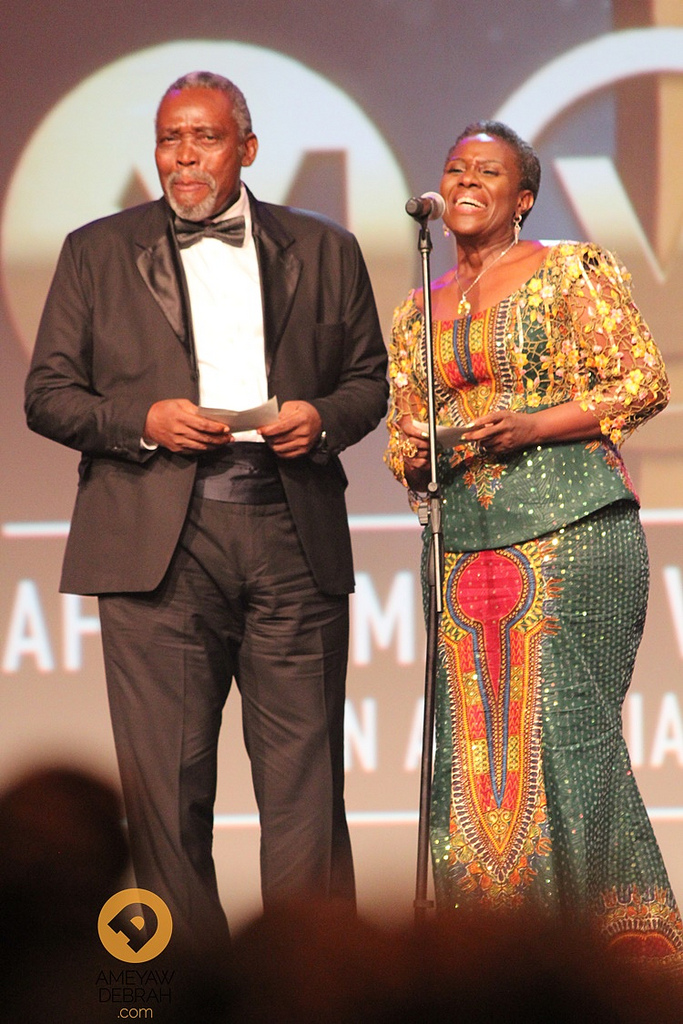
Edochie's 2014 Africa Magic Viewers' Choice Awards Industry Merit recognition, reported by BusinessDay, marks one institutional acknowledgment of his contribution. Awards are helpful dated milestones, but a career's reach cannot be reduced to a trophy list. His work belongs to the ordinary memories of people who encountered Nigerian stories on television, home video and later streaming platforms.
What younger performers can study
For younger actors, the practical lesson is preparation rather than imitation. Listen to how a sentence is shaped, notice when movement is withheld and examine how another performer is given space to respond. Copying the surface of Edochie's voice would produce a mannerism. Studying how presence serves a scene offers something more useful.
His characters should also be kept separate from the person. Dialogue circulated as a proverb, a meme or a short video may lose the surrounding story. A film's account of marriage, ambition or leadership is not automatically an interview expressing the actor's own beliefs. Careful criticism names the work and the character before assigning meaning to a memorable line.
An accessible viewing journey begins with Things Fall Apart, continues through Igodo and compares both with Lionheart. Check lawful availability and the credited version: older Nigerian titles may appear online in inconsistent editions. Read Achebe alongside the adaptation where possible, and watch the supporting performers as carefully as the lead.
A legacy worth watching
Edochie's contribution is not that he invented the Nigerian elder. It is that he made that figure carry dramatic weight across generations of screen storytelling. The authority could be admired, feared or challenged, but it demanded attention. That is a substantial artistic legacy and a strong reason to return to the performances themselves.