Nkem Owoh's comedy often begins with a person convinced that he understands the situation better than everyone else. The pleasure comes when the world refuses to cooperate. His familiar screen persona, Osuofia, makes vanity, suspicion and resourcefulness available for laughter without making the character disappear beneath the joke. That is acting work, not simply a supply of comic phrases.
A persona is not the whole career
The presidential tribute reported by Premium Times in February 2025 names Ikuku and Osuofia in London among the works associated with his career. The nickname is a useful entry point, but it should not become a substitute for a filmography. Different stories place the performer inside different relationships, pressures and styles of humour.
Osuofia in London is particularly useful for thinking about comedy and movement across borders. Watch how the familiar habits of a character encounter unfamiliar surroundings, and ask who has the information in each exchange. Cultural difference can create a joke, but the performance must still give the audience a person with motives and a reason to keep watching.
Comedy is an ensemble craft
The timing depends on collaborators. A look from another actor, an interruption or an apparently ordinary answer can provide the resistance that makes a comic claim collapse. Reducing an ensemble scene to its most shareable line hides the work of the scene partner, director and editor. Owoh's appeal is best appreciated inside those exchanges.
Recognition beyond a comic reputation
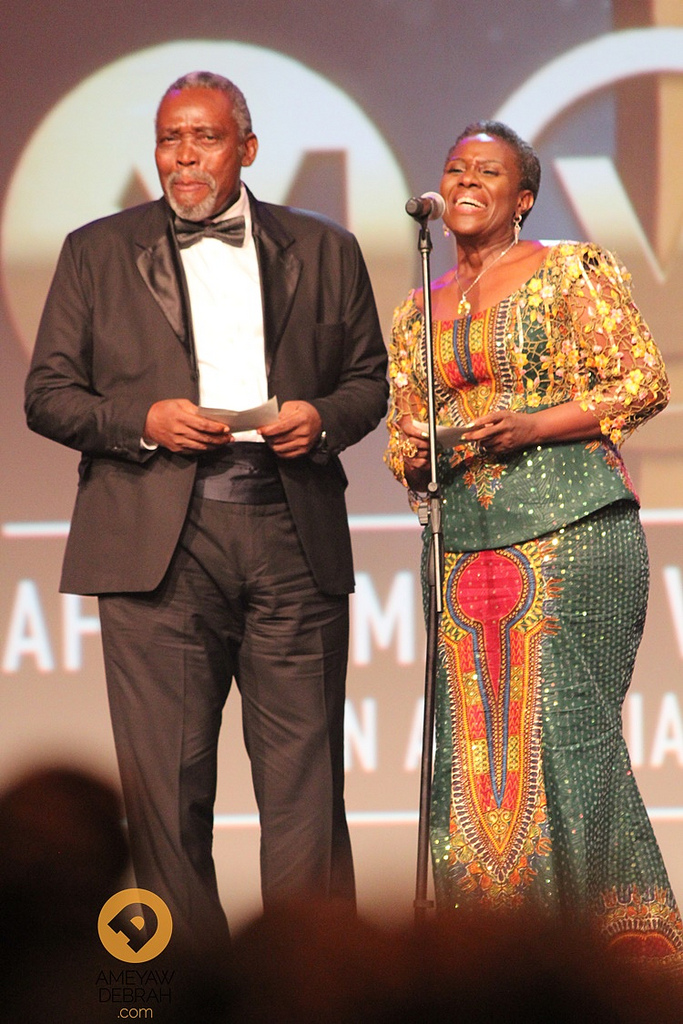
His recognition was not confined to a comic reputation. Contemporary reporting on the 2008 Africa Movie Academy Awards records his Best Actor win for Stronger Than Pain. That is a specific dated achievement, not evidence that every role won an award. It does challenge the habit of treating a performer known for humour as artistically less serious.
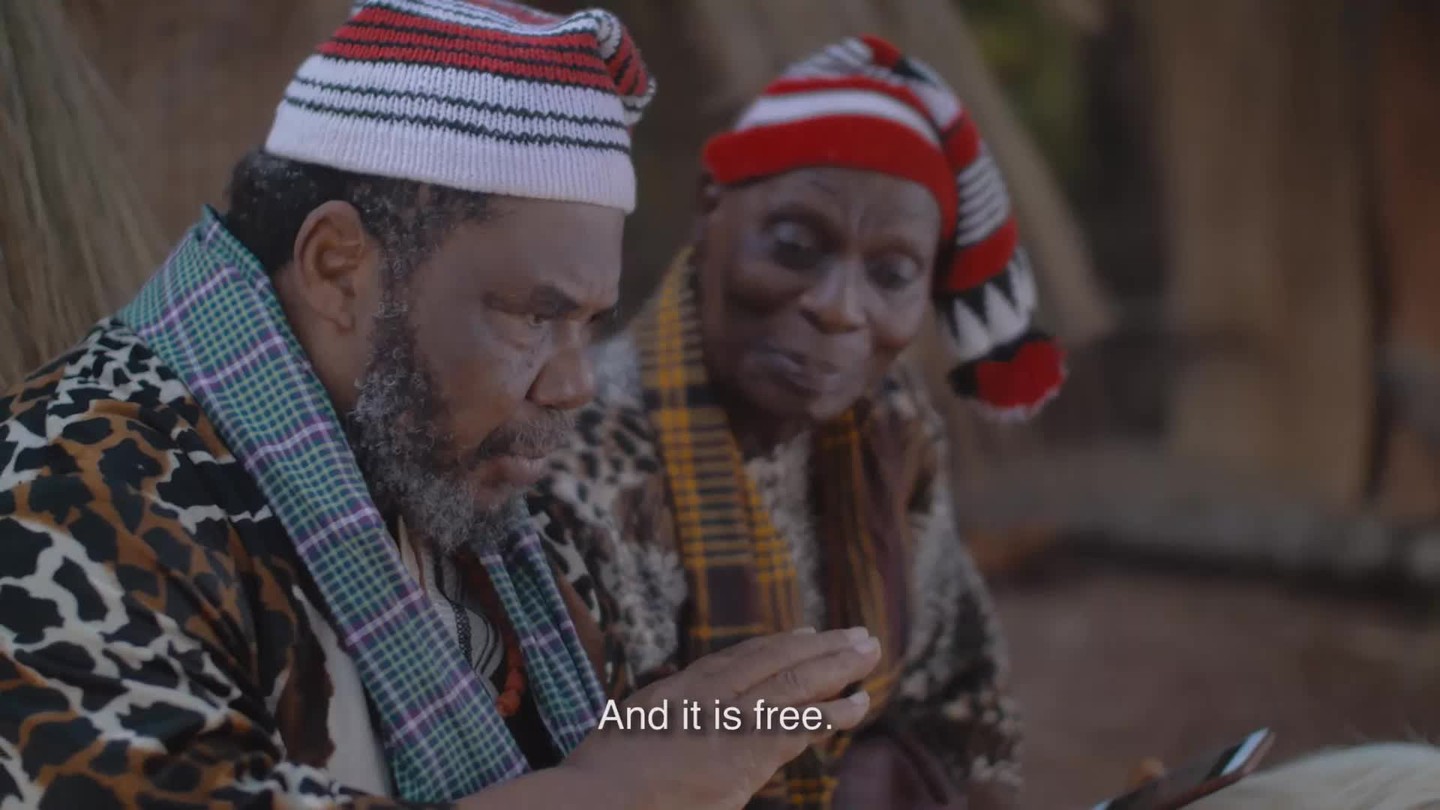
Lionheart places Owoh beside Genevieve Nnaji and Pete Edochie in the cast listed by Netflix. The 2018 family-business story offers another way to watch him: as part of a group negotiating responsibility, rather than a performer carrying every moment alone. Compare the rhythm of his scenes with the sharper emphasis of a comedy built around a dominant persona.
A practical lesson for performers
For aspiring actors, the lesson is to find the character's need before searching for the laugh. What does the person want to protect, obtain or conceal? A clear answer gives comic exaggeration a foundation. Volume and facial movement can help, but they cannot replace a relationship or a believable stake in the outcome.
Start with a properly credited edition of Osuofia in London, then compare Stronger Than Pain and Lionheart where lawfully available. Resist the temptation to judge a whole career through short clips. Owoh's contribution includes memorable humour, but it also includes the capacity to make that humour inhabit an ensemble, a dramatic conflict and a recognisable Nigerian social world.