Nigerian dramatic short Òkolà has won Africa’s Best Independent Film at the 2026 All African Independent Film Festival in Kigali. The festival’s newly available official winners page records the top honour for director Paul Lasisi after the event ran from October 15 to 17 at the French Institute of Rwanda, also identified by the organisers as the Francophonie Cultural Centre of Rwanda.
The official selection page describes Òkolà as an 18-minute, 28-second dramatic short from Nigeria, directed by Paul Oluseyi Lasisi. Its synopsis follows a young woman whose search for the origin of a mysterious scar leads towards a discovery about her identity and destiny. That is the organiser’s description; Na Wetin Dey Happen has not reviewed the film and does not infer its quality, availability or distribution from the award alone.
What the top prize establishes
The top prize establishes what the jury selected at this festival. It does not by itself mean that Òkolà has a cinema release, a streaming agreement or a wider commercial distribution plan. Audiences looking to watch it should use an official filmmaker, festival or distributor announcement rather than assume that a festival listing is also a public viewing link.
Other clearly dated 2026 craft and performance awards on the official page include best director for Ivere Hounkpatin’s At Sea, Without Support, cinematography for Hassan El Souhail on With the Wind, editing for Omar Garby on HĀL, actress for Seynabou Kane in Alone against all and actor for Tumelo Motsiri in Silent Grief. The music-video award went to Mr. Eye for Boy Nephron’s Dance My Pain Away.
The wider winners list
The organisers say 19 films from 14 countries participated and that 17 winners were recognised across seven categories. The published list also names four special-jury mentions: Now We Know, The City of God Beneath The River, Adanne and Barclay de Spiderman. Those counts and titles are the festival’s own record, not an independently audited catalogue.
For independent filmmakers, an official result page can become evidence used in biographies, grant applications, festival databases and publicity. That makes the page’s internal consistency important. Titles, credits, category names and award years need to be stable enough for artists, journalists and future programmers to cite accurately.
On the page headed “Winners 2026,” six category lines are nevertheless labelled 2025: dramatic feature, dramatic short, documentary, student film, experimental film and feature script. The same page calls itself the full list of AAIFF Africa 2026 winners and gives the festival dates as October 15–17, 2026. We have not found an organiser’s correction explaining whether those six year labels are typographical errors, carry-overs from an earlier edition or intentional references to another award cycle.
Six headings on the official page carry 2025 labels
Na Wetin Dey Happen therefore will not silently change those six headings to 2026. The films and credited people remain visible on the official page, but anyone relying on the year for a professional record should save the page, cite it as published and ask AAIFF Africa to confirm the intended award year. A search-engine result or secondary report should not override a source-level ambiguity without evidence.
This caveat does not undermine Òkolà’s highest-honour line, which is expressly labelled Africa’s Best Independent Film 2026. It also does not cast doubt on the six other awards that the page explicitly dates 2026. It simply separates what the source clearly establishes from what still needs clarification.
Why the record matters beyond one web page
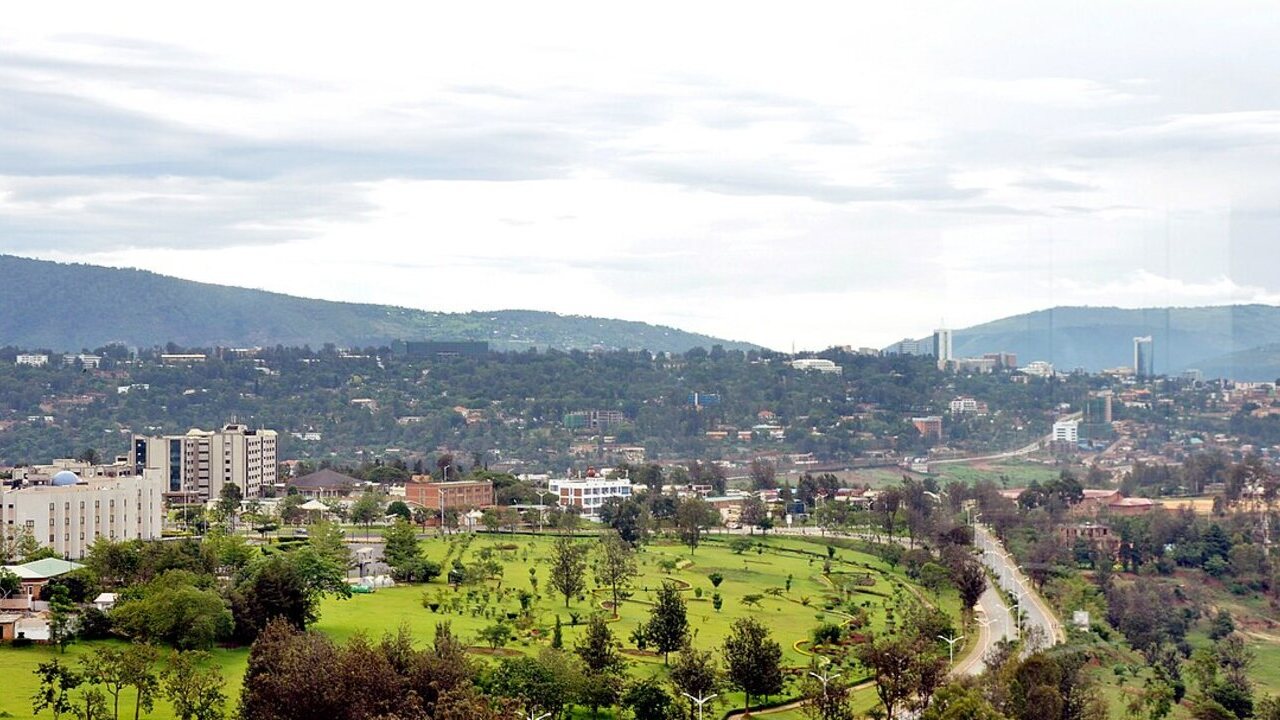
The result is significant for Nigerian independent cinema because it places a short film at the head of a continental festival programme rather than treating short-form work only as a preliminary category. The Kigali setting also connects filmmakers and audiences across national markets, although one festival prize should not be used as evidence of the health or financing of the entire African film industry.
Readers can verify the award on the festival’s winners page and the film’s country, category, runtime and director on its official selection page. The New Times in Kigali separately reported the top-prize result after the closing ceremony. Until the organiser clarifies the six year labels or announces a viewing route, the responsible account is precise: Òkolà won the stated 2026 top honour, while part of the published category record remains internally inconsistent.