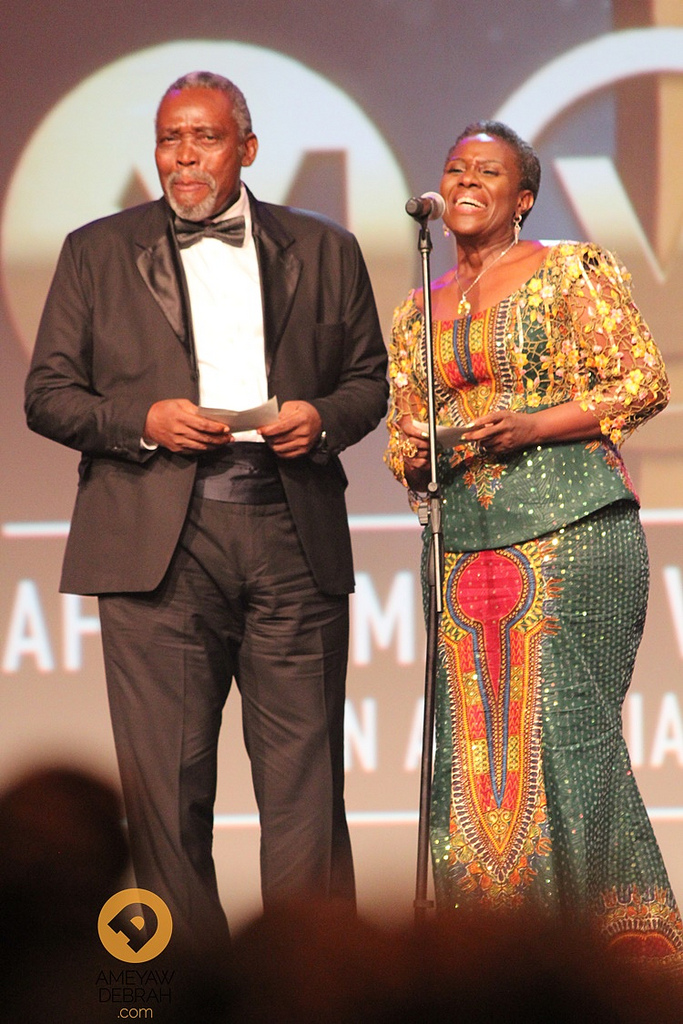
A Lagos story is heading into a London festival conversation about who gets to make African cinema. Film Africa’s published 2026 programme lists Lady, written and directed by Olive Nwosu, for November 1 at BFI Southbank. The wider festival is scheduled for October 23 to November 1. This is a preview checked on October 17, not a report that the screenings or their planned introductions have already taken place.
The Nigerian film in the closing-night slot
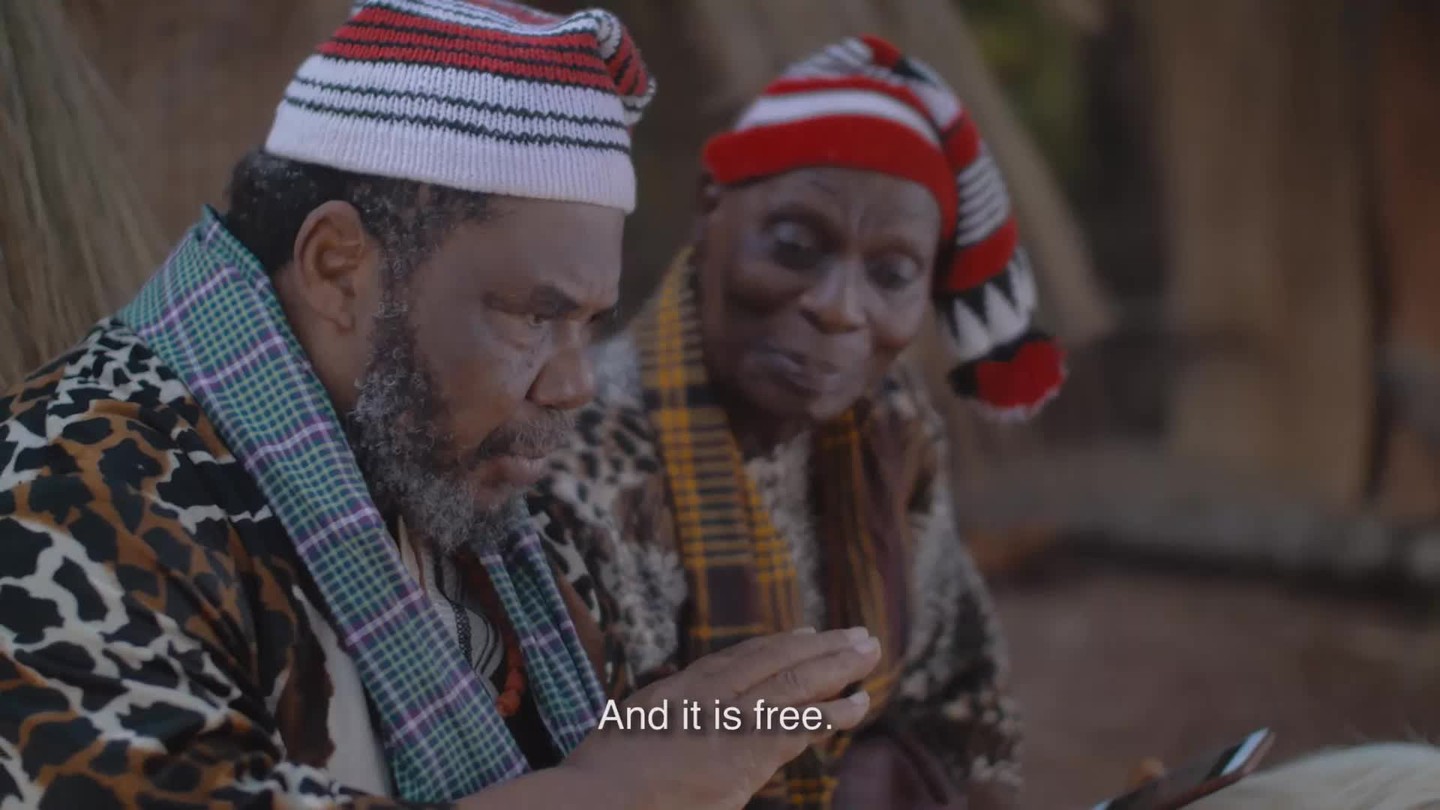
Film Africa identifies Lady as a UK–Nigeria production in English and Nigerian Pidgin. Its central character drives a cab in Lagos and encounters a group of sex workers. Film4’s production page corroborates the director, setting and premise. That synopsis establishes a starting point for viewers; it does not justify reviewing a film we have not watched or treating its fictional characters as documentary evidence about every Lagos resident.
The closing-night listing gives a concrete planning detail: November 1 at 6:15 p.m., BFI Southbank’s NFT1. Check that local venue time against the live booking page before travelling. Film Africa lists a 93-minute running time, while Film4’s production page says 96 minutes. The difference is a reason to check the screening version and leave a little space in an itinerary, rather than silently choosing one figure as universally correct.
A programme beyond a single headline
The BFI’s season page places Lady alongside work from other parts of Africa, including Ben’Imana, Cotton Queen and My Father and Qaddafi. These are distinct films and national experiences. A useful festival visit can put Nigerian storytelling into conversation with other perspectives without asking one director to represent an entire continent.
The official programme also includes Twende: African Women and Cinema, a symposium scheduled for October 24 at BFI Southbank. Organisers describe a discussion of women’s filmmaking and the historical and industrial context behind the films. Readers should confirm the session time directly with the ticketing venue: a calendar entry and a cinema admission page can serve different practical purposes.
Plan around the actual screening
For a first visit, choose the film before choosing the whole-day itinerary. Check the exact cinema, date, subtitles, age classification, access arrangements and admission terms. A festival-wide date range does not mean every title screens every day, and a festival listing is not proof that seats remain available. Use the booking links supplied by Film Africa or the venue rather than an unsolicited payment message.
For viewers travelling from outside London, accommodation and transport are separate bookings. Check the cancellation terms and the return journey after the advertised screening and any discussion. A planned director introduction may add interest, but attendance can change. Do not make a non-refundable trip depend solely on meeting a named guest.
The creative significance is worth discussing before box-office predictions begin. A festival can give a film a setting in which audiences compare its choices, hear questions and follow its collaborators. It cannot by itself establish commercial success, a wide theatrical release or a streaming deal. Those are different developments that need their own announcements and dates.
What the festival can—and cannot—tell us
For Nigerian and diaspora audiences, the invitation is to encounter a particular filmmaker’s work with curiosity. Read the programme, check the venue and come prepared to discuss the film on its own terms. We will update this preview if organisers materially change the listed dates or programme; it should not be read as a promise about availability or an advance verdict on Lady.