A film can be new to an audience without being a new production. BellaNaija’s September release guide listed Confusion Na Wa for Kava on 3 September 2026. The useful story here is a renewed viewing opportunity for a 2013 film, rather than a remake or a newly completed drama. Availability should still be checked in the viewer’s regional catalogue.
The credits deserve to travel with the film. Kenneth Gyang directed Confusion Na Wa; Tom Rowlands-Rees wrote the screenplay. Film at Lincoln Center’s programme records its interlocking, day-long narrative, in which a found phone and an attempted blackmail draw several lives into trouble. That distinction between writer and director corrects an error in our earlier version of this article.
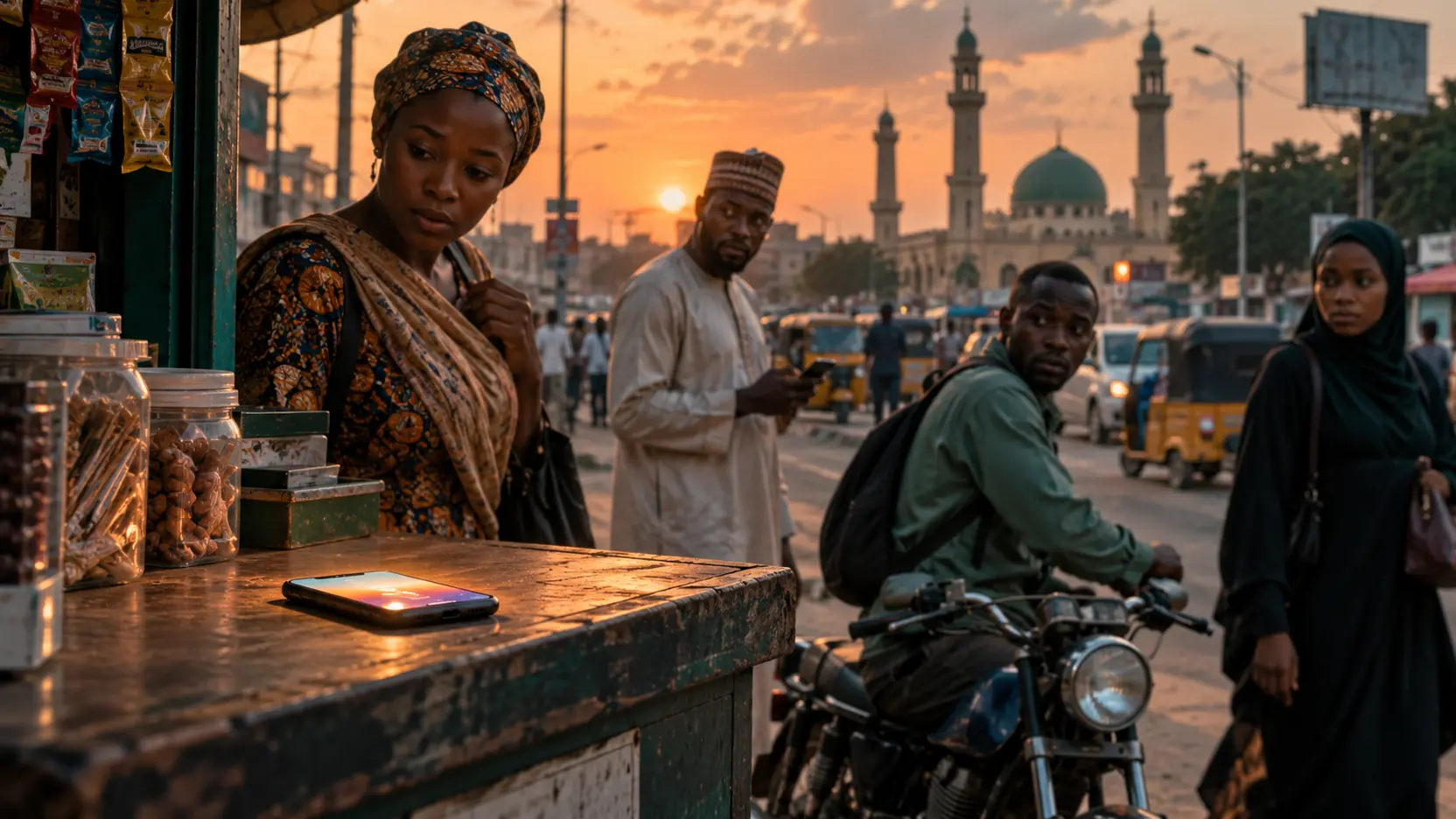
A phone is an unusually effective engine for this kind of storytelling. It carries private information through public space, placing temptation within reach of people who would otherwise have little reason to meet. The premise invites a question larger than who owns the device: what happens when someone’s opportunity is built from another person’s vulnerability?
For a first-time viewer, the most rewarding approach is to follow decisions as closely as identities. In an interconnected narrative, a minor choice in one strand can become the pressure that transforms another. Keeping track of who knows what—and when—makes the structure part of the pleasure, rather than treating the crossings as a puzzle to solve before the characters do.
The film also has a history beyond the current streaming announcement. Lincoln Center presented it in the 2014 New York African Film Festival, with filmmaker appearances. That earlier circulation matters because it puts the new listing within a longer life of screenings, criticism and discovery. A platform tile is one chapter in that history, not its beginning.
Catalogue films need editorial care. A correct year, complete credits, a useful synopsis and searchable names help a viewer understand what has appeared on the service. Subtitles, a clean picture and intelligible sound then determine how comfortably that discovery becomes a full viewing. These are criteria for assessing a release; we have not independently evaluated Kava’s master or subtitle track.
There is also a preservation question behind the convenience of pressing play. Streaming access can end when a licence expires, while long-term survival depends on secure masters, documentation and the people who hold them. A renewed listing is valuable, but it should encourage interest in the film’s archive rather than make viewers assume that online availability is permanent.
For younger filmmakers, the return offers a useful programming idea: place earlier Nigerian work beside contemporary releases and explain the relationship. A discussion about ensemble writing, moral uncertainty or urban storytelling can introduce an older film to viewers who arrived for a new title. Discovery becomes more meaningful when the connection is artistic as well as algorithmic.
Confusion Na Wa’s new visibility is therefore an invitation to look back with curiosity. Watch the film as a work with its own time, authors and choices; then ask which other Nigerian titles deserve the same accessible, accurately credited second encounter. A healthy film culture makes room for both the next premiere and the work that still has something to say.