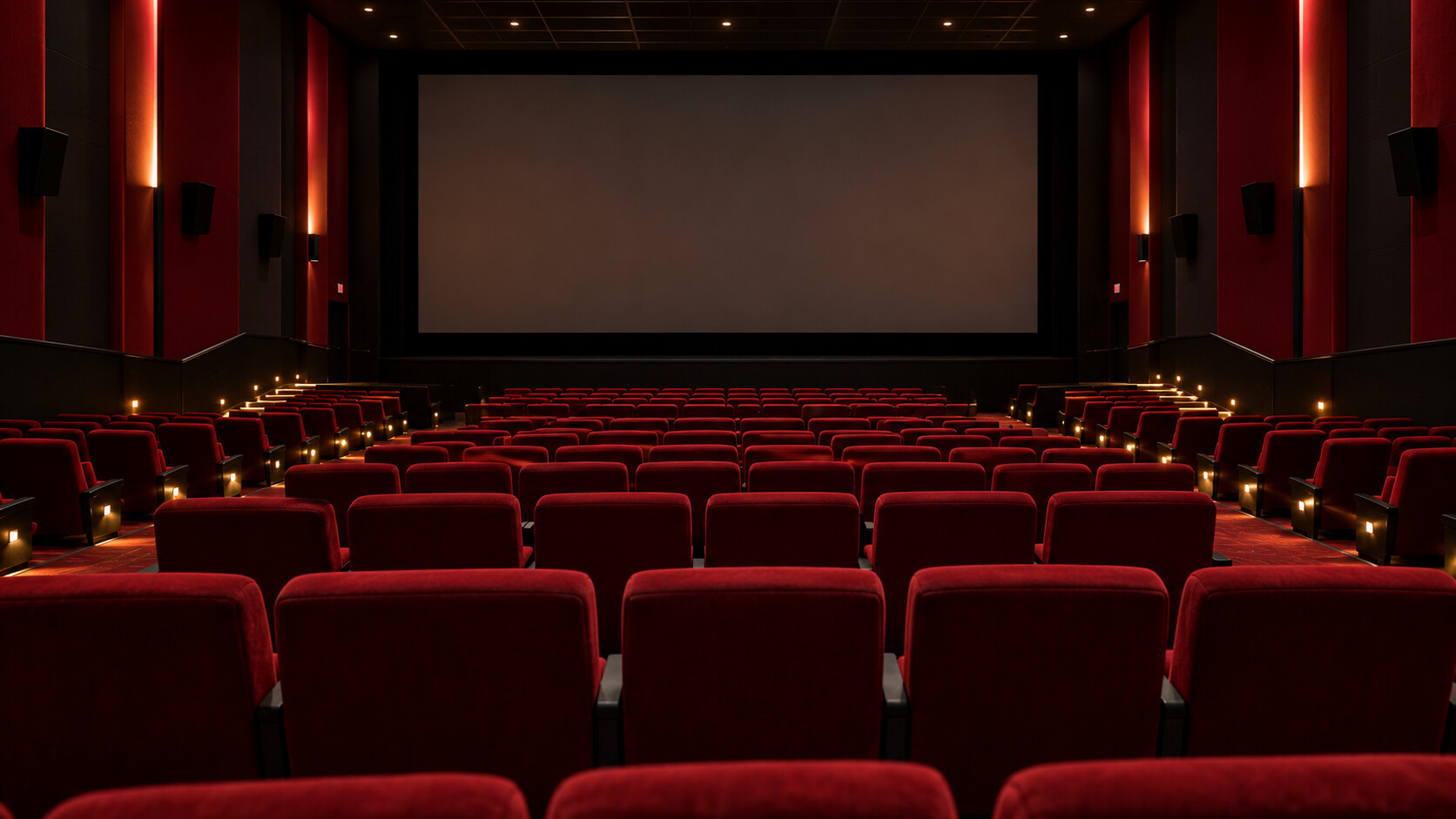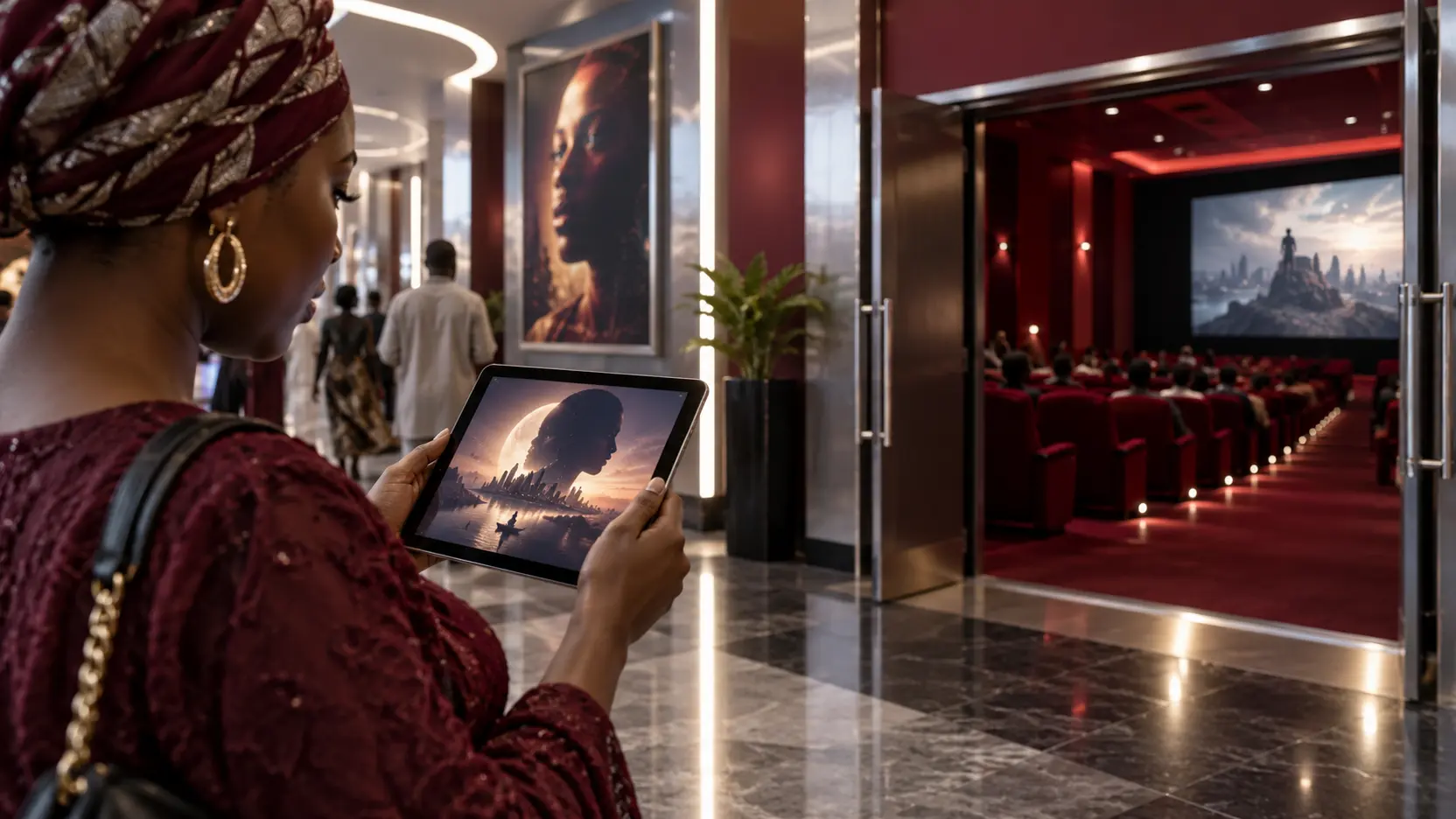
The September 2026 calendar makes Nollywood’s distribution variety tangible. Ordinary People had an announced Netflix date of 4 September, while One Gidi Night is listed for cinemas on 11 September. Kava’s slate includes catalogue viewing alongside newer work. As of this update on 9 September, the cinema date is still ahead; a release announcement should not be mistaken for an attendance result.
These routes answer different needs. A cinema screening creates a scheduled communal experience in a particular place. An on-demand service allows viewing at a chosen time, subject to access and availability. Neither description establishes which will work best for an individual film. The story’s audience, its scale and the producer’s obligations all affect the decision.
A theatrical opening can concentrate publicity and give an audience a reason to organise an outing. It also requires practical access: venues, showtimes, transport and a ticket people are willing to buy. A film can attract substantial online interest among viewers unable to attend its screenings. That gap should shape planning before a campaign treats general excitement as guaranteed demand.
Subscription services can place a film within reach of dispersed households, including diaspora audiences. Discovery still has to happen inside a crowded catalogue. Availability in one country does not establish availability everywhere, and appearing on a familiar app does not tell us the fee paid to the producer. Reach is a possibility created by distribution, not a result that can be assumed.
Open video platforms offer another relationship with viewers. A film without a subscription charge can be shared and revisited easily, though audiences still bear the cost of connectivity. YouTube’s documentation makes clear that views and monetised playbacks differ. Producers therefore need the economics of their actual channel and agreements, rather than a generic earnings figure attached to a public counter.
The sequence of windows can matter as much as the first destination. An exclusive period may help one partner market a film while postponing other opportunities. A later release can reach people missed by an earlier one. Planning requires a clear record of which uses remain available, rather than assuming every successful premiere will automatically lead to the next deal.
There is a creative dimension too. A filmmaker might value a shared theatrical response to sound, scale or comedy; another project may benefit from episodic viewing at home. Those intentions should inform the plan without becoming rigid rules about which genres belong where. An intimate drama can reward a cinema audience, and a visually ambitious film still deserves careful presentation on a television.
The most informative evaluation combines several measures. Admissions can help explain theatrical reach; viewing and completion information can illuminate an online release when disclosed; actual receipts and costs describe business outcomes. These numbers should retain their own definitions. A ticket, a platform view and a subscriber are not interchangeable units in a single league table.
A stronger distribution conversation begins early and stays specific: who is this film for, how will those viewers find it, and what does each stage contribute? The aim is a longer, better-supported life for the work. Nigerian cinema gains when producers can choose among credible routes and audiences can discover stories in more than one way.