A woven strip of cloth carries more than a pattern. It can hold a maker’s judgement about tension, colour and the purpose of the finished piece—knowledge that another person learns by watching, practising and being corrected. That is why protecting Nigeria’s living heritage requires more than collecting attractive objects or staging an annual celebration.
UNESCO convened a workshop in Nasarawa State from August 26 to 29, 2026, bringing together 20 government and civil-society participants to strengthen safeguarding work. Its report, published August 31 and updated September 22, covered community-based inventories, nomination work and the transmission of knowledge. This is a feature about that work, not a claim that the event happened today.
Let practitioners help define the record
The emphasis on communities matters. An outside researcher may be able to photograph an object but still misunderstand who can explain its meaning, when a practice may be performed or which details should remain private. Documentation becomes more useful when practitioners help decide what is recorded and how their knowledge is represented.
For a family of makers, a practical safeguard might begin with an apprentice who has time to learn. A useful record would explain a process, identify the people who taught it and preserve the vocabulary used in the workshop. Those are editorial examples of transmission; they are not programmes announced at the Nasarawa meeting or promises of public funding.
The value behind the finished object
Visibility can create opportunity, but it can also detach a style from the people who sustain it. A buyer who values only the final appearance may overlook the labour, materials and accumulated skill behind it. Readers can ask who made a piece, where the technique was learned and whether the maker is being credited accurately, without assuming that every claim of tradition is beyond examination.
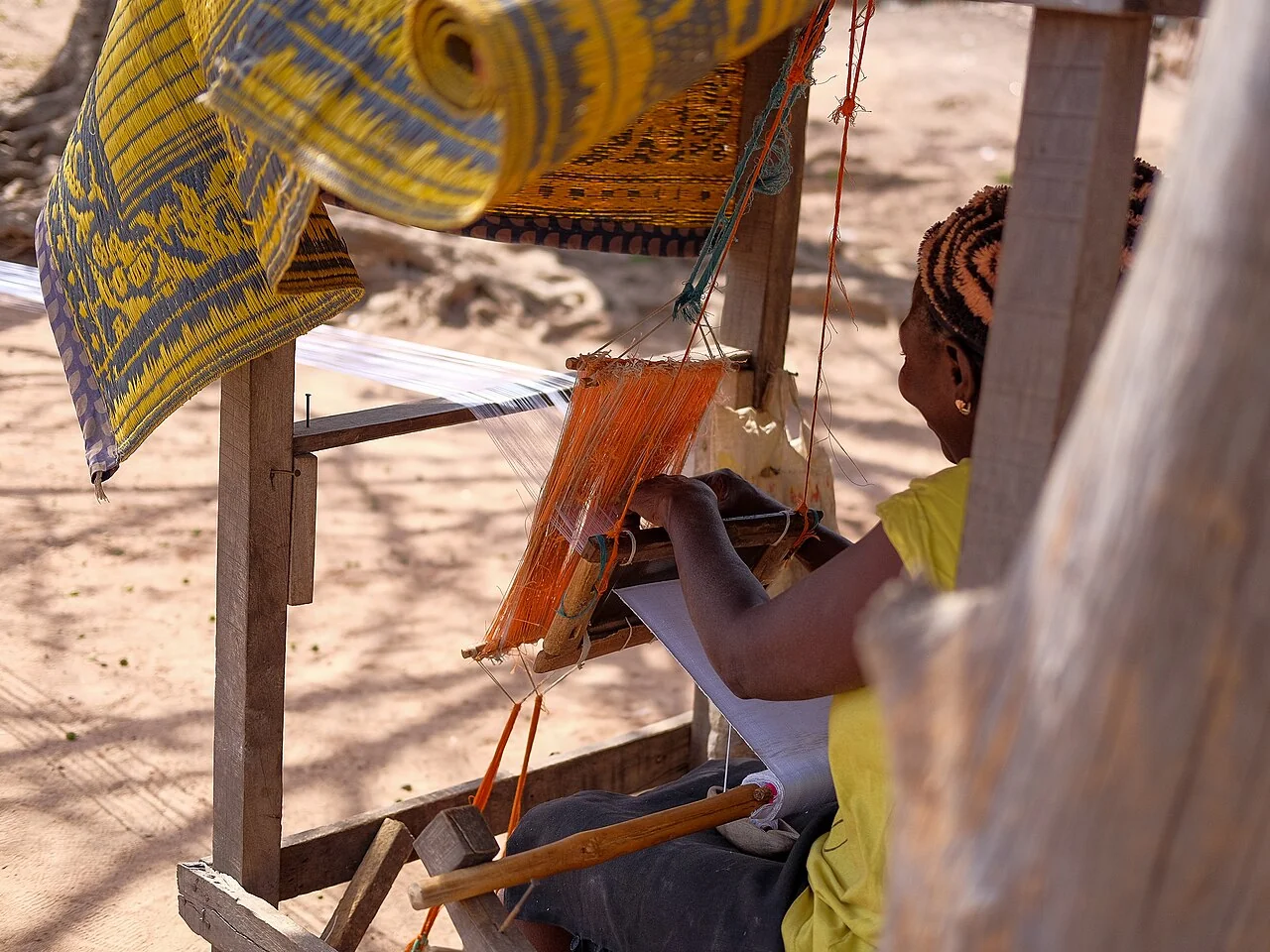
The photograph accompanying this article shows Aso-oke weaving in Nigeria in December 2022. It illustrates the wider subject of living knowledge; it does not depict the UNESCO workshop or establish that the person shown took part. Keeping those distinctions clear respects both the maker in the image and the people involved in the reported event.
The measure of a living inheritance
The question after any heritage meeting is what becomes easier for practitioners themselves. Can experienced makers teach? Can communities retain useful records? Can young people see a future in learning a demanding skill? A culture stays alive through people who can continue to practise it—not only through people who can admire it.