Update, 8 September: South Africa’s Department of International Relations and Cooperation has clarified the status of the four South Africans who were working with the abducted man. Two have returned to South Africa and two remain safe in Mozambique. An earlier version of this report said their whereabouts had not been publicly clarified; that sentence has been corrected.
South Africa has confirmed that a 30-year-old citizen was abducted during an insurgent attack on a remote hunting camp in Mozambique’s Niassa Province. The Department of International Relations and Cooperation told the Associated Press on Monday, 7 September, that he was taken with an estimated 15 to 20 Mozambican workers during the 3 September raid.
The man was one of five South Africans employed at the wildlife reserve, according to the department. Of the other four, two have returned to South Africa and two remain safe in Mozambique. Embassy staff are working with Mozambican authorities and monitoring events in Niassa, but no rescue or release of the abducted man had been announced at update time.
Mozambican police have given a different overall figure. Their account says at least 11 people, including children, were abducted when attackers struck Marangira in Marrupa district. Neither government has explained whether the two estimates count different groups or reflect information gathered at different stages, so the numbers should not be combined or treated as settled.
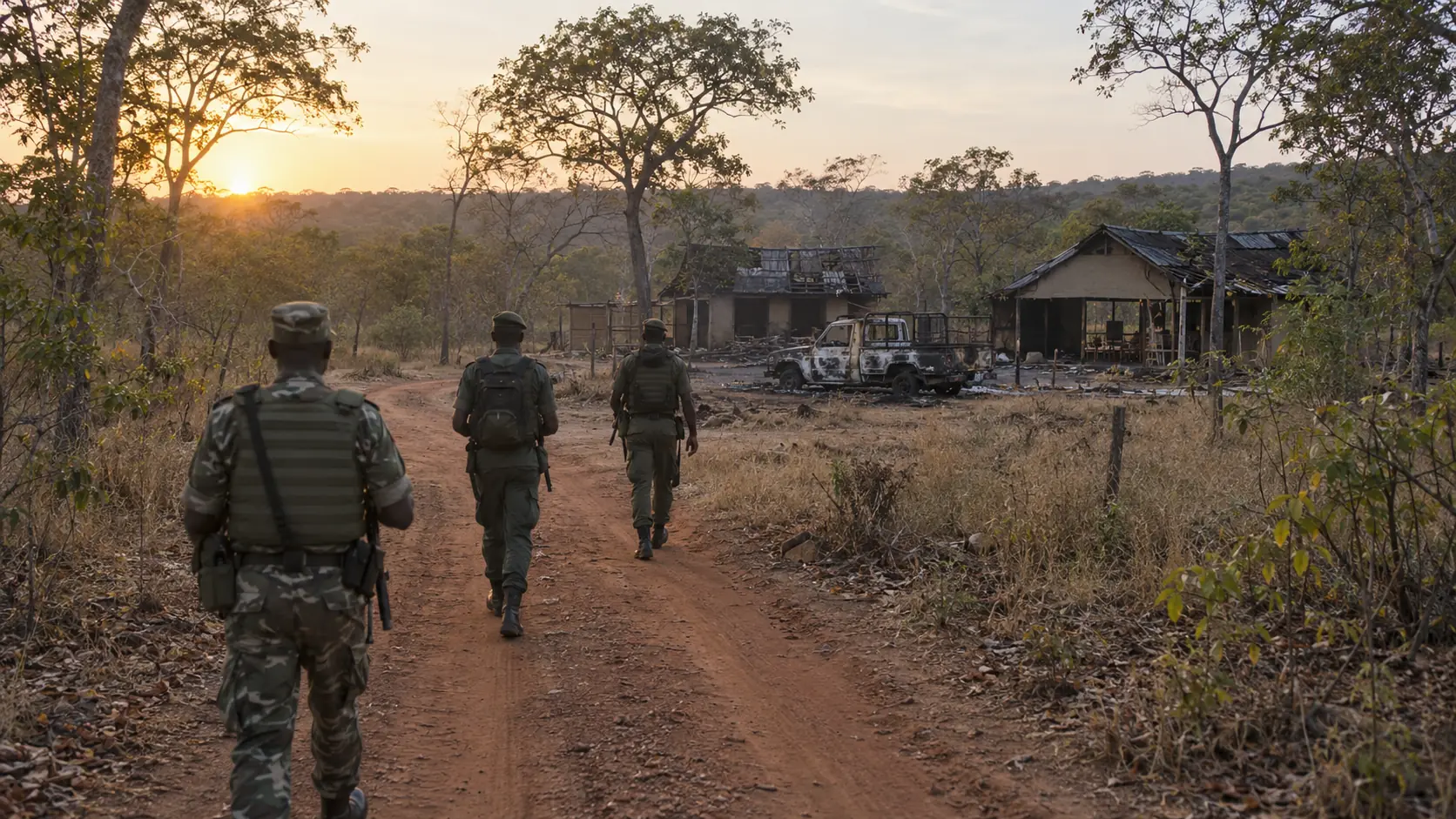
Niassa provincial officials said the attackers killed a woman and slightly wounded a member of the defence and security forces. The Mozambique Wild Adventures camp was looted and burned, while a health centre, police post, telecommunications tower and vehicles were also damaged. Security forces were reported to be patrolling nearby forests as the search continued.
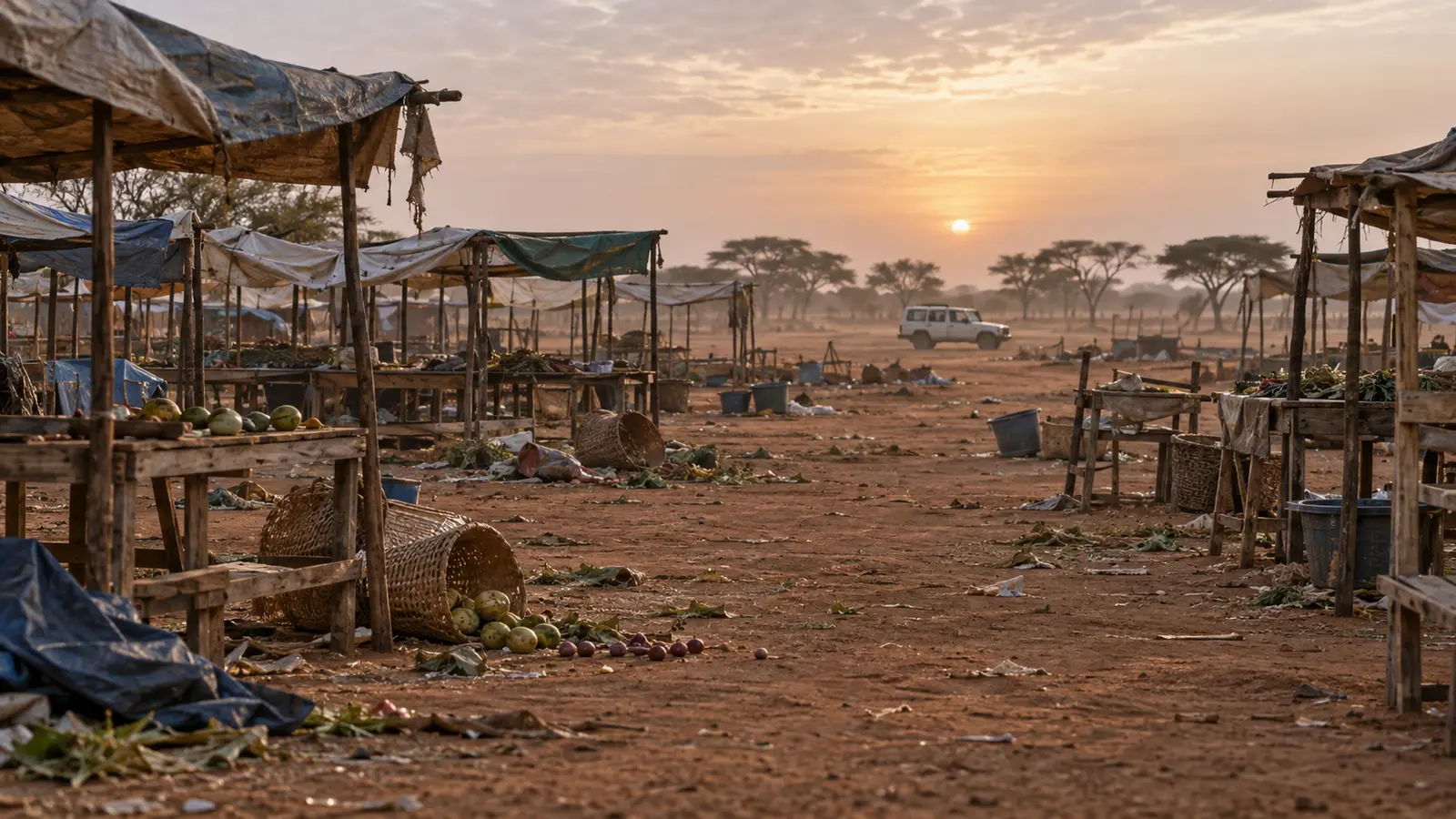
The violence also forced residents to leave surrounding communities. Local reporting said at least 2,700 people had reached Priringilane, about 20 kilometres from Marrupa town, by Saturday. Provincial authorities earlier cited roughly 2,000 people in emergency shelter, another figure that may change as displaced families are registered.
The United States Embassy in Maputo issued a security alert on the day of the attack, telling Americans in the Niassa Special Reserve to contact the embassy and warning people not to travel to the reserve or the Niassa–Cabo Delgado border area. Provincial officials said three US citizens at the camp were later evacuated by air in an operation coordinated with Mozambican authorities.
The attack represents a westward reach from the long-running conflict in neighbouring Cabo Delgado. Militants linked to Islamic State have operated there since 2017, killing thousands and displacing more than one million people. Niassa has suffered fewer attacks, but its large, sparsely populated terrain and economic sites—including conservation and tourism operations—remain exposed.
Peter Bofin, a southeastern Africa specialist at the Armed Conflict Location & Event Data project, told the Associated Press that this was the militants’ first incursion into Niassa since May 2025. He assessed it as probably an isolated operation rather than evidence of a permanent presence, while warning that it demonstrated the group’s continuing ability to move through rural areas and strike an economic target.
The immediate priorities are the safe recovery of the abducted people, support for displaced communities and a verified account of who remains missing. Until authorities reconcile their counts and provide evidence about responsibility, the most accurate position is limited: one death and one injury have been reported, one South African citizen remains abducted, the other four South African workers are accounted for, several Mozambican workers and children may also be missing, and security operations are continuing.