Violence at the Amiet Common Market in the disputed Abyei Area killed 26 people and injured 82 others, the United Nations Interim Security Force for Abyei said in a statement issued on Thursday, 17 September 2026. The clashes occurred on Tuesday, 15 September; the toll was current as of the following day. This is therefore a newly reported casualty assessment, not a claim that the fighting began on Friday.
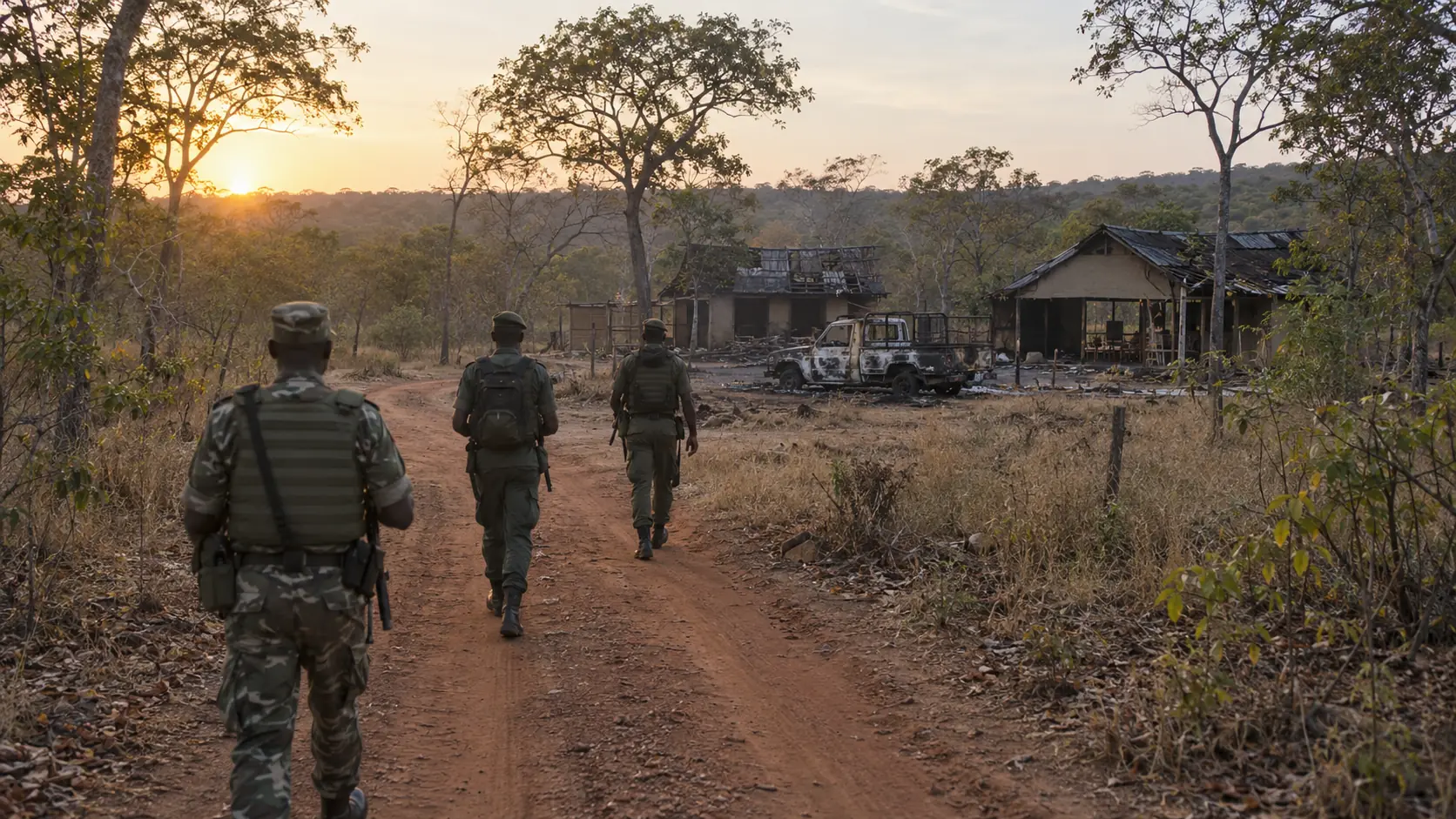
UNISFA said it reinforced its presence in and around the market and deployed additional forces to de-escalate the situation. The mission is engaging local authorities, community leaders and representatives of the Ngok Dinka and Misseriya communities, whose leaders have reiterated a commitment to dialogue. An enhanced peacekeeping presence is a preventive response; it does not establish that calm is permanent or that those responsible have been identified.
Two killings preceded the market violence
According to the UN mission, the market violence followed separate killings of a Ngok Dinka man on 14 September and a Misseriya man on 15 September. Those deaths heightened tensions and contributed to the escalation. UNISFA did not publish a detailed sequence assigning responsibility for the market clashes, and its statement said the mission was continuing to verify reports about the violence and the people affected.
The mission called on relevant authorities to conduct a swift investigation and hold perpetrators accountable. No arrest list, charging decision or independent investigative finding was included in the statement reviewed for this report. Reporting the communities involved is necessary context, but collective blame would be unsupported and could deepen the risk of retaliation.
UNISFA Force Commander Lieutenant General Ganesh Kumar Shrestha said the mission was taking measures to protect civilians and prevent revenge attacks while engaging leaders from both communities. That emphasis matters because a sequence of individual killings followed by collective mobilisation can turn quickly into recurring violence unless leaders, security actors and justice mechanisms interrupt it.
Why Amiet market matters
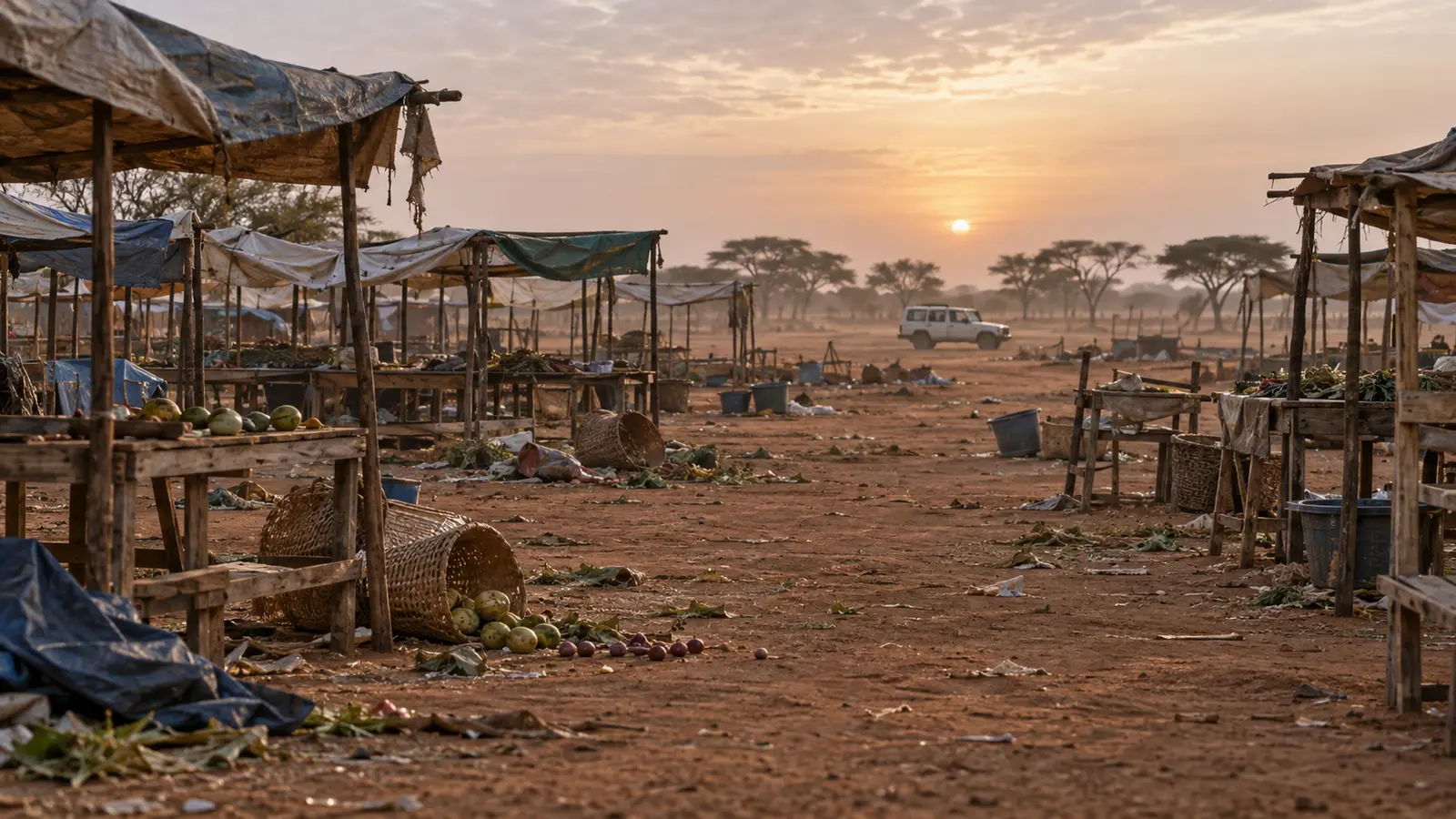
Amiet is more than the site of Tuesday’s deaths. The common market was reopened in August 2016 through an agreement between Ngok Dinka and Misseriya leaders and was presented by UNISFA as a shared economic space and symbol of peaceful coexistence. Hundreds of traders and buyers used it for livestock, sorghum, flour, sugar, oil and other goods, linking livelihoods across community lines.
Violence at such a market carries consequences beyond the casualty count. Insecurity can close trading routes, separate producers from customers, disrupt access to food and livestock income and erode one of the few institutions built for regular contact between the communities. UNISFA has not yet published a verified estimate of displacement, property damage or the duration of any commercial interruption from the latest clashes.
The market has faced earlier insecurity. In July 2025, UNISFA reported seven deaths after an attack on a detention cell prompted retaliation near Amiet, and a peacekeeping patrol came under fire. The mission said at the time that local leaders and youth representatives worked to restore calm. The latest toll shows that dialogue mechanisms remain essential but vulnerable.
A disputed territory with an unfinished political settlement
Abyei lies along the border between Sudan and South Sudan and has remained politically disputed since South Sudan became independent in 2011. The status question has not been resolved by the latest security deployment. The UN Security Council created UNISFA in June 2011 to monitor the flashpoint area, support humanitarian access and protect civilians and humanitarian workers under its mandate.
A May 2026 report by the UN secretary-general described intercommunal tensions, weapons proliferation and the effects of wars and political instability on both sides of the border. It also recorded attempts to strengthen dialogue among Ngok Dinka, Misseriya and other communities. That background helps explain why a local market incident can carry wider regional risk without making every episode part of the wars in Sudan or South Sudan.
The immediate priorities are protection of civilians, treatment of the injured, safe access to the market area, prevention of retaliatory attacks and preservation of evidence. Any investigation will need witness accounts, medical and casualty records, weapons evidence, a reliable timeline and public findings that distinguish individual responsibility from community identity.
What remains unknown
Important facts remain unresolved: the identities of all victims, who initiated or directed the market violence, whether the casualty total will change, how many people were displaced and whether commerce has safely resumed. The confirmed position is narrower: UNISFA reports 26 dead and 82 injured, has deployed additional forces and is still verifying the impact while pressing for dialogue and accountability.