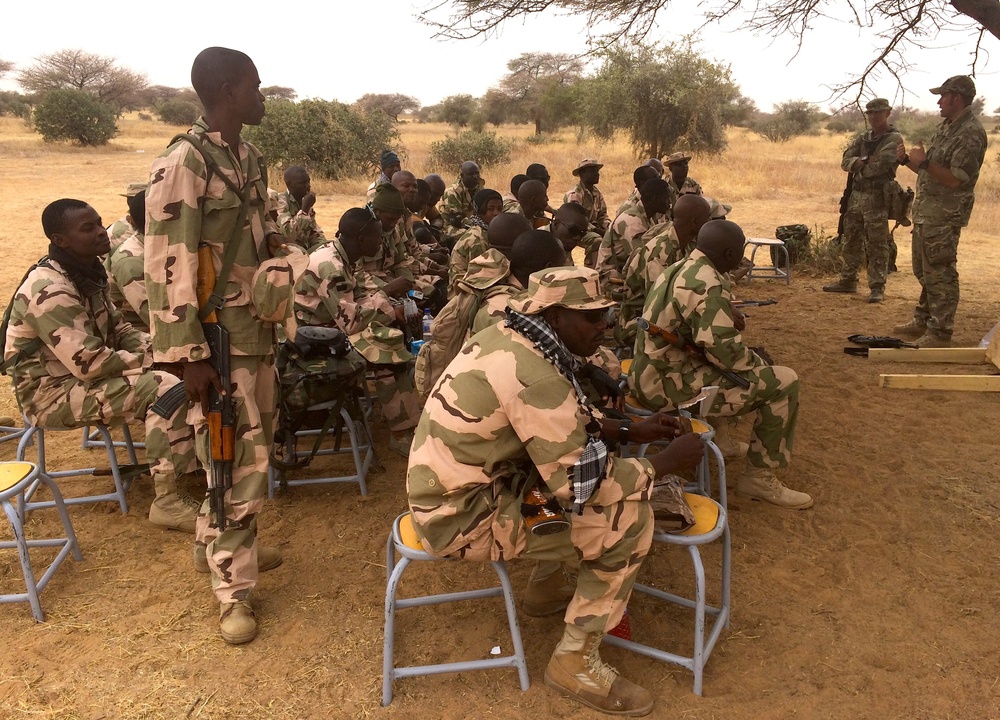
Fighters from the Islamic State West Africa Province attacked a Nigerian military position at Kukawa in Borno State on Tuesday, October 6, approaching the 101 Special Forces Battalion base from four directions, according to the Army. Troops, supported by the Nigerian Air Force, repelled the assault after a prolonged exchange of fire.
The Army confirmed that soldiers were killed but did not publish their number. That distinction matters in a developing security report: the military has acknowledged fatalities, while the precise toll remains officially unspecified.
What the Army has confirmed
An unnamed senior military officer told the Associated Press that 10 soldiers died. The figure is therefore a report from an anonymous military source, not a final casualty statement issued by Defence Headquarters or the Army. Na Wetin Dey Happen will update the number if a named authority publishes a verified count.
The military said more than 25 attackers were killed and that troops recovered 14 bodies, six AK-47 rifles and ammunition. Those numbers are military claims and had not been independently verified when this article was published. The Army did not identify the dead soldiers in its public account.
Reuters separately reported, citing military sources, that soldiers were killed without giving a confirmed number. A Civilian Joint Task Force member told Reuters that more than three members of the community defence group also died. That claim had not been matched to a named official casualty list.
The casualty count is not settled
There was no verified civilian casualty or displacement count from Kukawa in the accounts reviewed for this report. Claims circulating beyond the military, AP and Reuters accounts should not be treated as confirmed until local authorities, hospitals or aid organisations provide evidence.
Kukawa lies in northern Borno near Lake Chad, an area where communities and security forces have faced repeated attacks by ISWAP. Control of roads, fishing areas and rural settlements around the lake has strategic value for both the state and armed groups operating across difficult terrain and international borders.
The same battalion position was attacked on August 28. In that earlier clash, four soldiers were injured and the military said about 26 attackers were killed. The repeated targeting within six weeks points to continuing pressure on the garrison even when the Army says each assault was repelled.
Why Kukawa remains exposed
Repelling an attack does not by itself end the threat. A force can retain a base while still suffering casualties, equipment damage or disruption to patrols and supply routes. The public record does not yet establish the full operational impact of Tuesday’s fighting.
Several important facts remain unknown: the officially verified number and identities of soldiers killed, the condition of any wounded personnel, whether nearby residents were harmed or displaced, and whether attackers carried away weapons or equipment. No source reviewed provided a complete after-action account.
What remains unknown
The figures also should not be combined with casualty claims from separate attacks elsewhere in northern Nigeria. Each incident requires its own location, date, source chain and verification; merging them would exaggerate or obscure what happened at Kukawa.
This report will be corrected or expanded when the Nigerian military, Borno authorities or independently verifiable local evidence resolves the casualty count. Until then, the confirmed fact is that soldiers were killed in an ISWAP assault that the Army says it repelled; the figure of 10 remains attributed to an unnamed officer quoted by AP.