Gnawa music can reach a listener through a festival stage long before its cultural setting becomes clear. Dar Gnawa Museum in Marrakech offers another entry point by placing instruments beside the people, practices and histories that give them meaning.
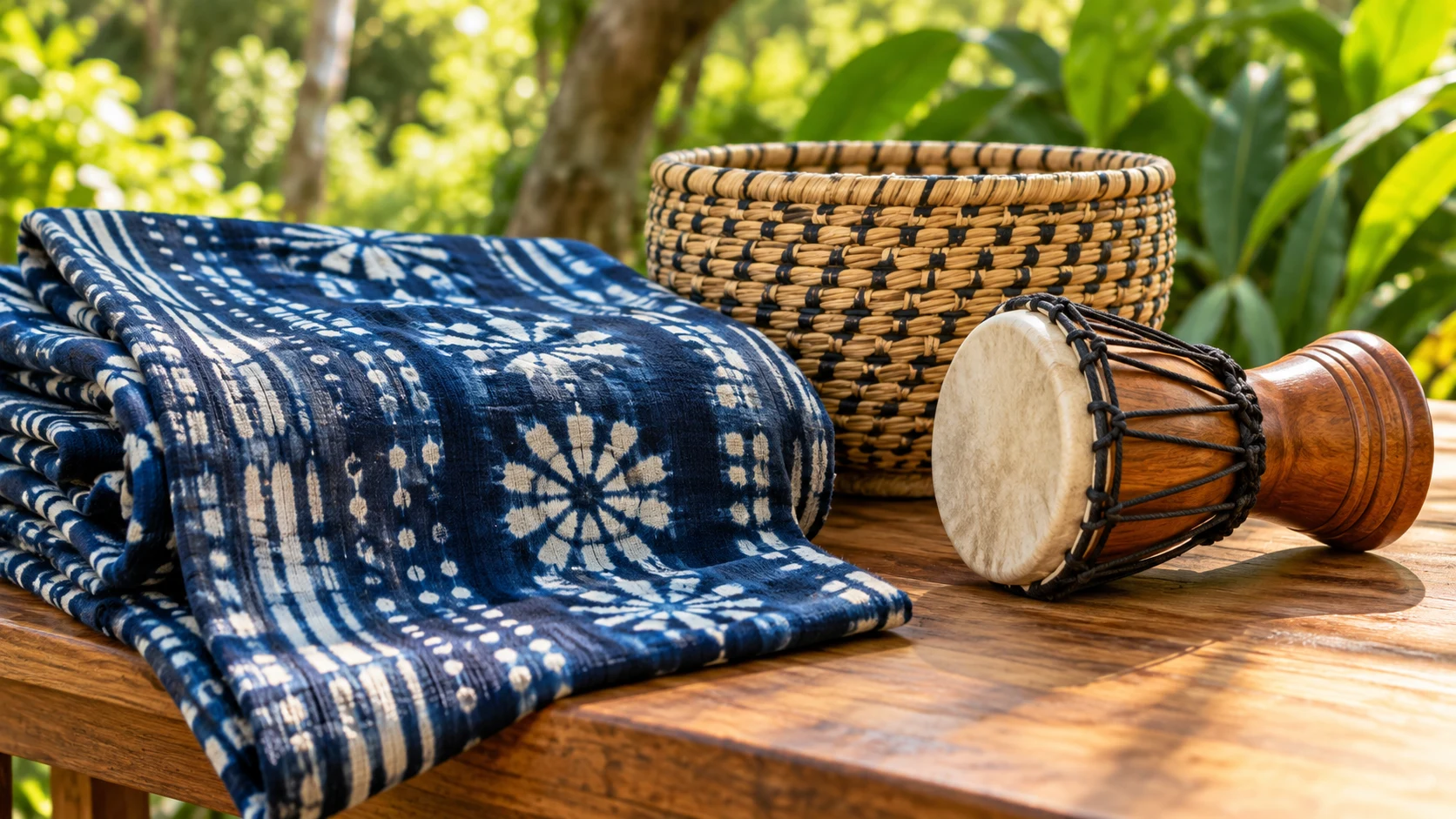
The Marrakech-Safi Regional Tourism Council describes the museum in a restored residence near Bab El Khmiss in the medina. Its collection includes instruments, clothing and other objects connected with Gnawa culture.
The official listing also describes workshops involving the guembri and qraqeb. Learning how an instrument is constructed and played can reveal expertise that is easy to overlook when music is encountered only as a finished performance.
Sound is not the whole tradition. The museum’s programme includes documentary material and discussion of spiritual practices, suggesting why a concert excerpt cannot stand in for every context in which the music is performed.
A public performance and a lila ceremony should not be treated as interchangeable visitor products. Participation, photography and interpretation require attention to the terms set by the people organising and practising the tradition.
The museum format raises an interesting question of its own: how can a collection preserve knowledge that lives through use? Demonstration and teaching can connect an object behind a label with the skill required to make it speak.
That transmission has an economic dimension. Musicians, instrument makers and educators contribute different kinds of labour; cultural tourism is more meaningful when it recognises those roles instead of valuing only the most visible performer.
Gnawa becomes richer to understand when attention moves between object, sound and social setting. A visitor who leaves asking how the music is learned and sustained has encountered more than an atmospheric soundtrack to Marrakech.