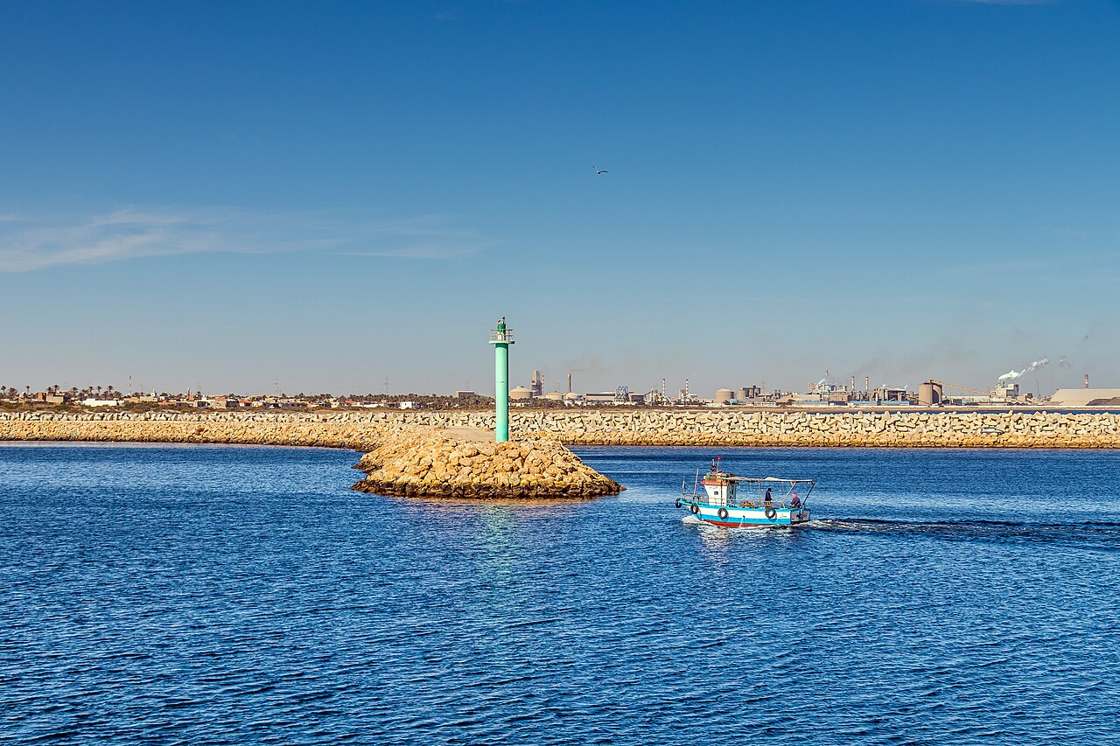
A Tunisian court sentenced ten environmental activists on October 21, 2026 over a 2020 anti-pollution protest in the coastal city of Gabès, according to reporting that quotes their defence lawyer, Hamida Chaieb. Africanews/AP reports eight six-month suspended sentences and two one-year jail terms; AFP independently reports ten defendants and confirms the eight suspended sentences. The distinction matters: describing all ten as immediately jailed would misrepresent the reported penalties.
Africanews/AP says the state-owned phosphate-processing factory brought the case, alleging that protesters had obstructed operations. It reports that activists discovered earlier in-absentia sentences and sought a retrial. Those allegations concern the protest and the factory’s operations. They should not be converted into a finding that the environmental complaints were false, or a conclusion that every act attributed to the defendants has been independently established by this newsroom.
A 2020 protest, an October 2026 verdict
The chronology is essential. The protest at issue dates to 2020; October 21, 2026 is the reported sentencing date. Business News, a Tunisian newsroom, also records a Stop Pollution campaign announcement that day and describes an original proceeding involving thirteen activists. The available accounts do not reconcile every individual’s procedural history. Ten reported sentences do not establish that the remaining three were acquitted, still detained or covered by precisely the same ruling.
Business News places the decision on the anniversary of the large October 21, 2025 mobilisation against industrial pollution in Gabès. The anniversary helps explain the political resonance, but the older demonstration is a separate event from the 2020 protest in this prosecution. Likewise, a photograph of last year’s march is not evidence of a new demonstration outside the court today. Dates, people and proceedings need to remain attached to the events they actually document.
A criminal case cannot answer every environmental question
Our analysis is that the dispute exposes two different accountability questions. A court can assess alleged conduct during a protest, while public authorities still have to explain how industrial activity is monitored and how residents can challenge harm. A conviction does not replace emissions data or an environmental assessment. Nor does concern about pollution, by itself, settle the facts of a criminal allegation. Credible public discussion needs both bodies of evidence rather than using one to erase the other.
The tension is especially sharp when the contested enterprise is state-owned. Residents may see the state as regulator, industrial operator and prosecutor’s institutional counterpart, while workers and businesses may fear disruption to livelihoods. Those interests deserve an accountable response, not an assumption that environmental protection and employment are impossible to pursue together. The practical questions are whether information is accessible, complaints are investigated and industrial safeguards can be examined independently.
The records still needed
The reported suspended sentences also deserve accurate language. They are penalties, not acquittals, but this article does not claim that all eight people were ordered straight into prison. For the two reported one-year terms, we have not verified custody arrangements or the current appeal position. No certified written judgment or complete individual case record was available in the sources reviewed. The sentencing account therefore remains explicitly attributed, and this is reporting and analysis rather than advice about any defendant’s legal options.
The next useful records are the written decisions, a clear account of any further proceedings, and current, independently assessable environmental information. Stop Pollution’s objections and the factory’s allegations should be reported as the positions of the parties, with the court’s reasoning distinguishable from both. Until those records are available, the confirmed news is the reported October 21 sentencing outcome—not a final resolution of Gabès’ pollution concerns or proof that every avenue of civic challenge has closed.