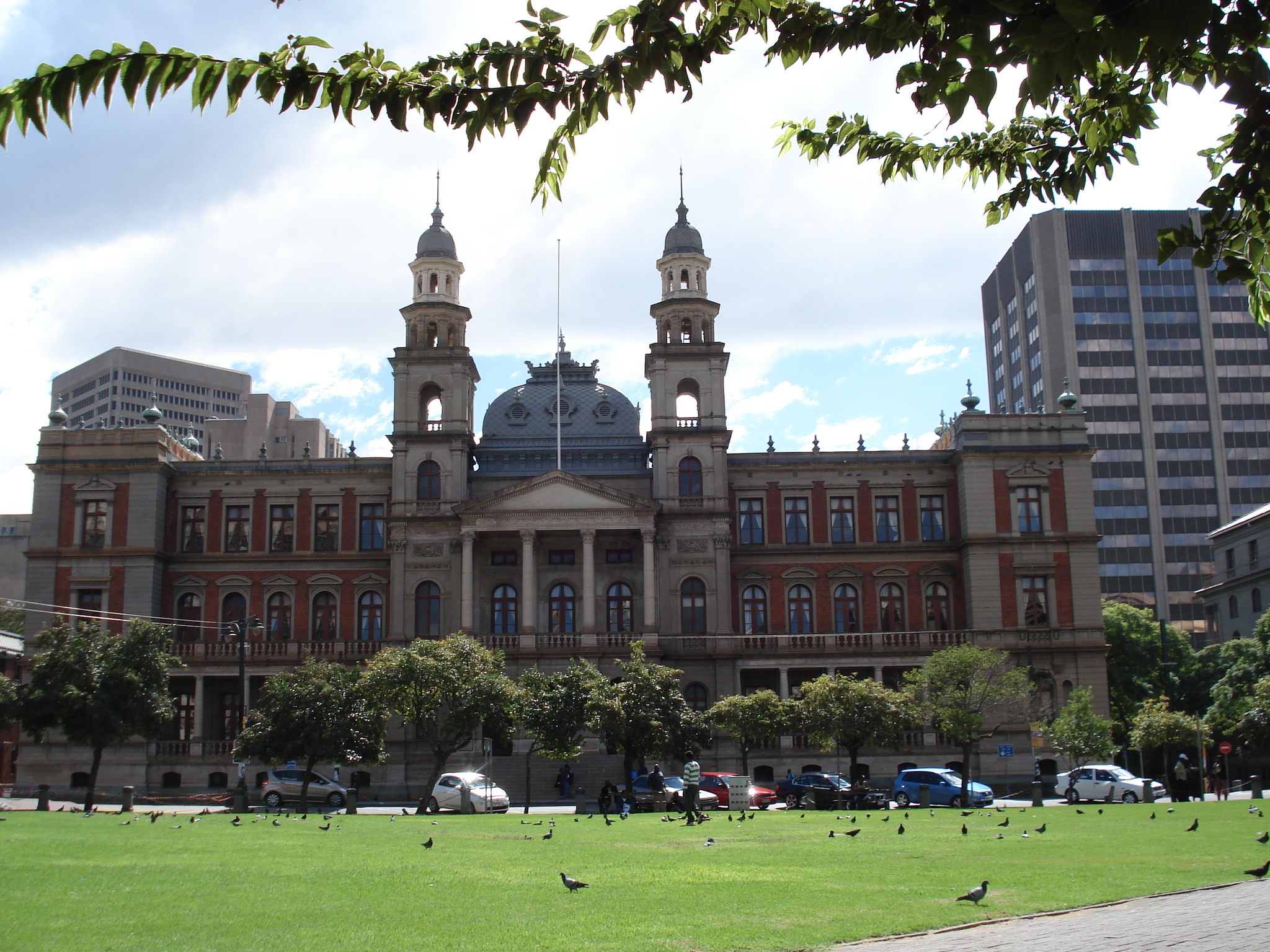
An urgent attempt to stop the sale of a Ferrari linked to the Tembisa Hospital investigation has failed in the High Court in Pretoria, according to reports published on October 5. Businessman Hangwani Morgan Maumela and the MHR Maumela Family Trust sought to prevent disposal of the preserved vehicle. SABC News reports that the court rejected their application because they had not established a clear right to halt the sale or shown that it would cause irreparable harm.
The decision leaves in place a route to sell the Ferrari SF90 Stradale for at least R9.5 million. It is the latest procedural development in an asset-recovery process associated with the Special Investigating Unit’s inquiry into alleged corruption and maladministration at Tembisa Hospital in Gauteng. The approximately R2 billion figure attached to that investigation is an allegation of losses across the wider hospital matter, not the value of this car or a finding made by this particular ruling.
Why sell an asset before the main case ends?
The sale authority predates the latest High Court proceedings. In a statement dated August 17, 2026, the SIU said the Special Tribunal had authorised curator Jacobus Gideon Louw van Wyk to sell the Ferrari belonging to the family trust. The vehicle was among assets preserved under a September 2025 order while the main proceedings remained outstanding. Preservation places an asset under legal control; it does not by itself settle every claim about its ownership or the source of the money used to acquire it.
The curator’s case for selling was practical: a stationary supercar continues to generate bills. The SIU’s August account identified storage, insurance and maintenance as reasons to convert the vehicle into money. The opposing respondents argued that the Ferrari could appreciate rather than lose value. The Tribunal nevertheless considered the continuing costs sufficient grounds for a sale. Keeping an asset physically intact is not necessarily the same as preserving its financial value.
Sunday World reports that sale proceeds are to be safeguarded in an interest-bearing trust account while the civil litigation continues, with provision to help maintain other preserved assets. That distinction is central to understanding the outcome. The proposed transaction changes the form of the preserved asset, from a vehicle to controlled funds; it should not be described as proof that R9.5 million has already been returned to the hospital. The reporting reviewed for this article does not confirm a completed sale or a payment received.
A recovery step with limits
African Times reports that the High Court treated the sale authorisation as an interim administrative measure and rejected the argument that an appeal automatically stopped it. That is a ruling about this attempt to restrain the disposal, not a final determination of the wider corruption allegations. Equally, the SIU’s civil-recovery work and any criminal proceedings have different functions. A dismissal in this application is not a criminal conviction of Maumela or the trust’s representatives.
For the public, the important question now is what the recovery process actually delivers. A permitted sale, money received into a controlled account and a final recovery for the state are separate milestones. Follow-up reporting should identify each only when it is confirmed, alongside the progress of the underlying litigation and any response from the affected parties. The latest ruling removes one obstacle to a sale; the wider Tembisa case still has to run its course.