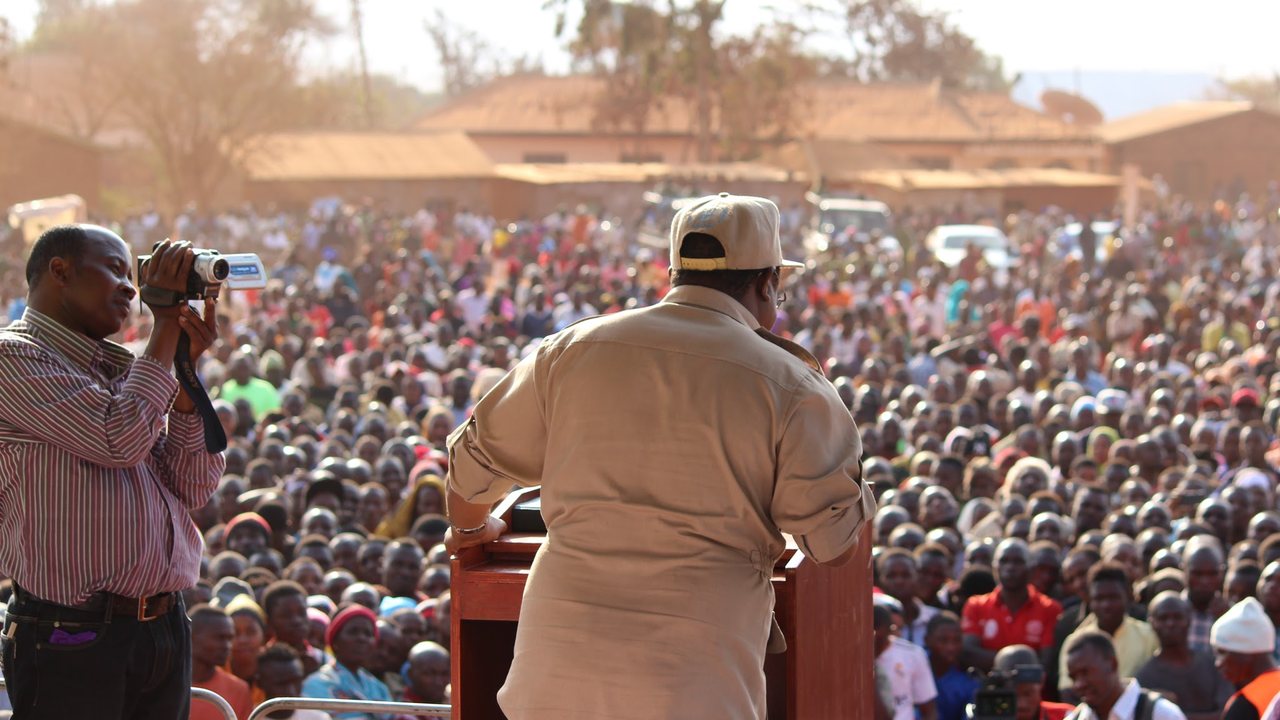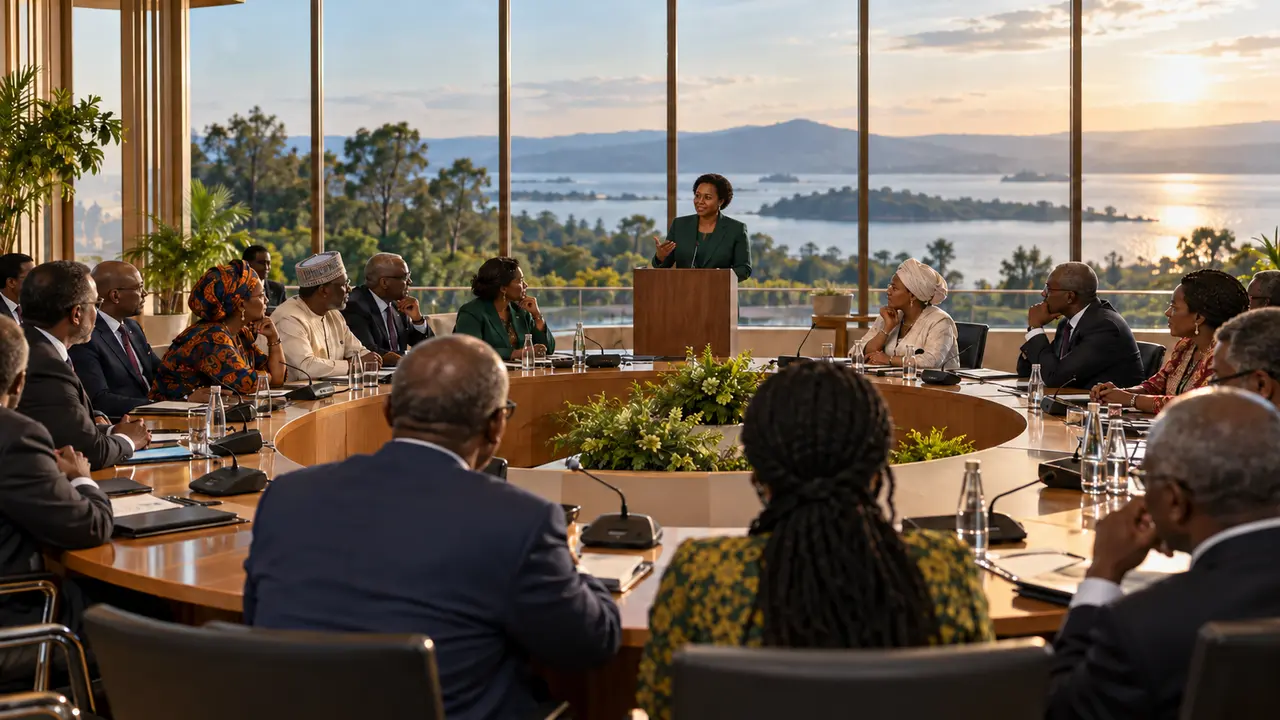
The 12th Tana High-Level Forum on Security in Africa closed in Bahir Dar, Ethiopia, on Sunday, October 25, after three days of discussions linking peace to economic sovereignty and geopolitical change. The official programme ended with a presidential panel, key takeaways and closing remarks. The gathering produced a public action challenge, but the sources reviewed do not show a new treaty, ceasefire or binding implementation agreement.
Ghanaian President John Dramani Mahama, who chairs the Tana Forum board, used the closing session to press leaders to turn dialogue into results. Ethiopian News Agency reported that he highlighted the presentation of the State of Peace and Security in Africa Report and asked participants to return next year able to show measurable progress. The report’s presentation is an outcome; it does not by itself implement its recommendations.
The closing message was about delivery
That distinction matters because high-level forums can create attention, shared language and access between political leaders and experts without exercising the legal authority of national governments, regional organisations or the African Union Assembly. A closing call can influence policy, but budgets, laws, peace processes and institutional mandates still require separate decisions by the bodies empowered to make them.
The African Union Commission’s message to the forum, delivered on October 24 by Deputy Chairperson Selma Malika Haddadi on behalf of Chairperson Mahmoud Ali Youssouf, set out three broad tasks: turn resource wealth into productive capacity and shared prosperity; strengthen institutions that act across national, regional and continental levels; and make regional integration a lived reality for citizens.
On resources, the statement called for more processing, infrastructure, skills and regional value chains, alongside transparent contracts and accountable revenue management. It linked poor benefit-sharing and revenues outside public oversight to grievances and insecurity. This is a governance argument rather than proof that a specific resource contract was unlawful or that a particular conflict has one economic cause.
Peace was linked to how wealth is governed
The message also called for stronger domestic revenue mobilisation, action against illicit financial flows and fairer access to development finance. Those proposals raise testable questions: how much value is processed locally, which contracts are disclosed, what revenue reaches public budgets and whether communities carrying environmental or social costs share in the benefits. No continent-wide funding package was announced at the forum’s close.
Digital capacity was placed inside the security agenda as well. The AU statement called for skills, infrastructure and regulatory ability to govern data, protect institutions and enable innovation, while warning about cyber threats, disinformation and new forms of dependency. It pointed toward a forthcoming ministerial meeting in Libreville, which means the detailed continental decisions remain for another process.
Regional integration formed the third part of the argument. The AU statement called for better transport corridors, modernised border posts, simpler procedures and closer cooperation between neighbouring states to support the African Continental Free Trade Area. It also urged progress on the free-movement protocol while warning that informal traders should not be treated indiscriminately as security threats.
Integration needs visible border-level change
Mahama’s closing account added social inclusion to that delivery test, calling for opportunities for young people, women and persons with disabilities and for political authority to be judged by improvements in people’s lives. Those are standards against which governments can be assessed. They are not evidence that exclusion has already fallen or that the forum adopted one common national policy.
The published closing material does not identify a binding communiqué with quantified targets, named implementing agencies, a new peace mission, a signed ceasefire, project budgets or enforcement dates. It reports consensus around broad priorities and the presentation of analysis. Describing it as a historic peace deal would therefore turn advocacy and dialogue into an outcome the record does not support.
What the forum did not establish
A useful follow-up ledger is possible. Readers can watch for publication of the State of Peace and Security in Africa Report, assigned responsibilities, budget lines, ratifications of the free-movement protocol, documented changes at border posts, stronger disclosure of resource contracts and progress reports before the next Tana Forum. Those records would show whether the gathering influenced institutions beyond the conference hall.
The forum’s central proposition is serious: peace is harder to sustain when institutions lack trust, economies exclude citizens and wealth finances grievance or armed networks. Its closing limitation is equally clear. Bahir Dar supplied diagnoses, priorities and political pressure; governments and regional bodies must still convert them into lawful, funded and measurable action.