South Africa’s latest tourism investment pitch invites a useful question: what has actually reached the stage of delivery? The Department of Tourism’s October 2 account of the previous day’s Johannesburg summit records 15 infrastructure opportunities with a potential value of R3.5 billion. That is a pipeline presented to investors, not an announcement that R3.5 billion has been spent or that 15 new attractions are open.
Presented, screened, financed and built are different stages
The same statement says North West submitted another 11 projects, valued at R1.2 billion, for screening. Those proposals must be kept separate from the presented pipeline. Adding the two figures and calling the result confirmed investment would remove the very stage the department says remains outstanding. Nor does a project’s estimated value tell readers how much funding it has secured.
Tourism Update’s October 2 reporting describes opportunities ranging from accommodation to heritage sites and transport-related development. Its examples include Johannesburg Art Gallery redevelopment and Cape Winelands Airport expansion. The range matters: these are not 15 interchangeable hotels, and a proposal concerning an existing place does not imply that every part of that place is closed, rebuilt or ready for a new visitor experience.
What a local business should look for
For a small supplier, a summit presentation can be a lead for research rather than an invitation to spend money immediately. Identify the project owner, the published procurement route and the stage of the work before buying equipment or paying someone who promises a contract. That is a practical interpretation of the pipeline’s limits, not an announcement of available tenders or guaranteed supplier opportunities.
For a community, the questions are different again. What is proposed for the site? Who makes decisions? What evidence explains access, local participation and the benefits expected to remain nearby? Those are questions for project-specific documents and consultation records. An impressive national total cannot answer them, and this article does not claim to have verified every project’s permissions, ownership or community arrangements.
Travellers need operating details, not investment totals
Travellers need an operating calendar rather than a capital estimate. Before arranging a trip around a proposed attraction or a promised new accommodation option, look for an actual opening announcement and current booking terms from the operator. The summit record alone does not establish a room inventory, an admission price or an access date. Existing places should be checked on their own current visitor information.
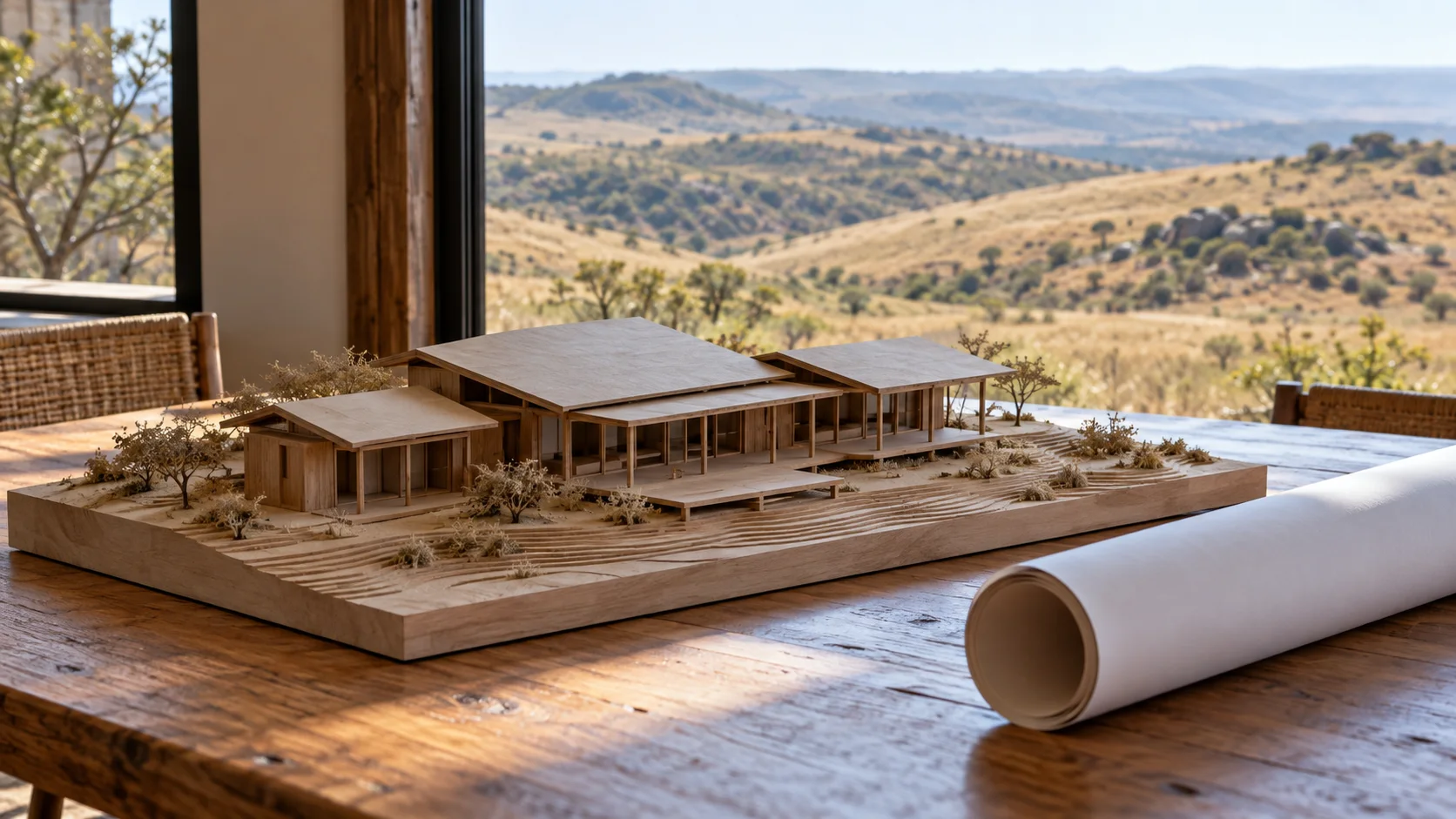
The distinction is especially important when a concept image travels with an investment announcement. A rendering explains an ambition; it is not photographic evidence of construction. Our accompanying image is explicitly an imagined study model, not a picture of any project in the pipeline. Future reporting should use dated, attributable evidence to show when a proposal moves into financing, work on site or operation.
The October 1 summit is therefore best understood as an investment-facilitation milestone. Its eventual value will be clearer through project-level progress and outcomes, not by repeating the headline figure as money already delivered. This is a researched explainer published on October 18, not a report of new funding announced today; no later financing, construction or opening outcome is asserted without a supporting record.