South Africa's Cabinet has approved a Borderline Infrastructure Improvement Plan for 2026–2030 as the government expands enforcement, surveillance and regional coordination under President Cyril Ramaphosa's five-point migration programme. Justice and Constitutional Development Minister Mmamoloko Kubayi announced the decision at an Inter-Ministerial Committee briefing in Pretoria on Tuesday, 8 September.
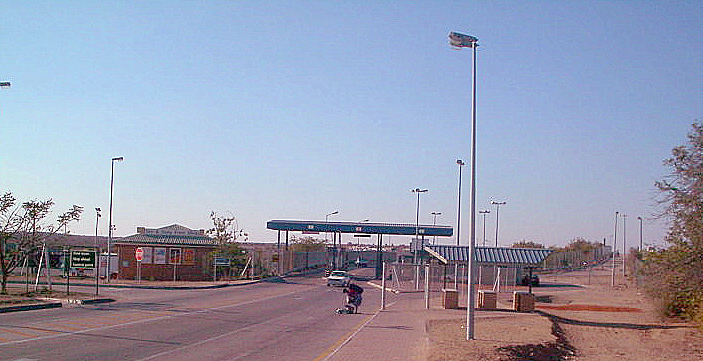
The plan covers all seven provinces along South Africa's land borders and is intended to improve patrol roads, fencing, maintenance, response times, staff safety and coordination between agencies. Approval does not mean every project is funded or under construction: Kubayi said National Treasury was still finalising the funding model. The government did not provide a route-by-route budget or construction timetable in the briefing.
The enforcement totals are large, but their categories require care. The committee said 86,596 foreign nationals were processed for deportation and repatriation between 14 June and 20 August. That combined figure includes different legal and administrative routes; it should not be read as 86,596 completed forced deportations. The government said Malawians formed the largest group, followed by Zimbabweans and Mozambicans.
Authorities also reported intercepting more than 4,200 undocumented foreign nationals outside formal ports of entry between April and July, mainly along the Zimbabwe corridor and then the borders with Lesotho and Mozambique. The committee said 81 joint border operations took place in July. These are government-reported operational figures, not independently audited totals.
Across a wider enforcement programme, the committee reported more than 350,000 inspections of factories, supermarkets, informal shops and other workplaces. It said 205 cases had been registered, 354 people arrested and 123 cases placed on court rolls. An arrest or a case on the roll is not a conviction, and the briefing did not publish a breakdown showing how many inspections resulted in confirmed labour, immigration, health or trafficking offences.
The technology programme is moving on a separate track. The government launched its Electronic Traveller Authorisation system and an upgraded movement-control platform at OR Tambo International Airport on 12 August. Five Border Management Authority drones are operating at Lebombo, Maseru, Oshoek, Beitbridge and a KwaZulu-Natal site; procurement of nine more is underway, while about 40 body-worn cameras are being deployed at major ports of entry.
The temporary repatriation-processing centre in Musina, Limpopo, closed on 21 August. The committee said the centre had processed more than 4,000 people at its peak but only 58 in August, prompting decommissioning and a return to ordinary immigration-enforcement arrangements. Home Affairs said it would continue to assist countries seeking help with repatriation through formal requests.
Several legal changes remain proposals rather than law. Home Affairs is drafting a unified citizenship and immigration framework that it intends to publish for public comment during 2026 and send to Cabinet by the end of the 2026/27 financial year. The Business Licensing Bill, which seeks authority to reserve some activities wholly or partly for South Africans, is still moving through government processes. Its proposed restrictions are therefore not yet final rules.
The briefing also connected migration policy with the problem of unsafe or unlawfully controlled buildings. Metropolitan authorities have registered about 2,400 non-compliant buildings, the committee said. It identified the lack of funded temporary accommodation as a barrier to executing lawful eviction or remediation orders, and proposed a national funding model, faster court handling and one definition and reporting template across the eight metros.
Regionally, South Africa said the Southern African Development Community endorsed its proposal for a multi-sector migration dialogue by 31 December 2026. The Border Management Authority has signed joint action plans with Lesotho, Mozambique and Eswatini for coordinated operations and information sharing. Those plans matter because migration and trade corridors cross national boundaries, but the briefing did not release their full text or performance measures.
The expansion comes amid anti-immigrant protests, reported attacks and diplomatic tension over mass returns. The government condemned a recent violent incident in the Che Guevara Road area of Durban and said immigration enforcement belongs to public authorities, not private groups. That distinction is central: enforcing immigration and labour law does not authorise identity checks, intimidation or violence by members of the public.
What happens next will determine whether the programme improves lawful border management or merely produces bigger headline numbers. Parliament, courts, neighbouring governments and civil-society monitors will need clear data separating voluntary repatriation from deportation, arrest from conviction, and announced infrastructure from funded delivery. The administration's claim that conditions have improved is an official assessment; independent evidence on rights, case outcomes and implementation remains necessary.