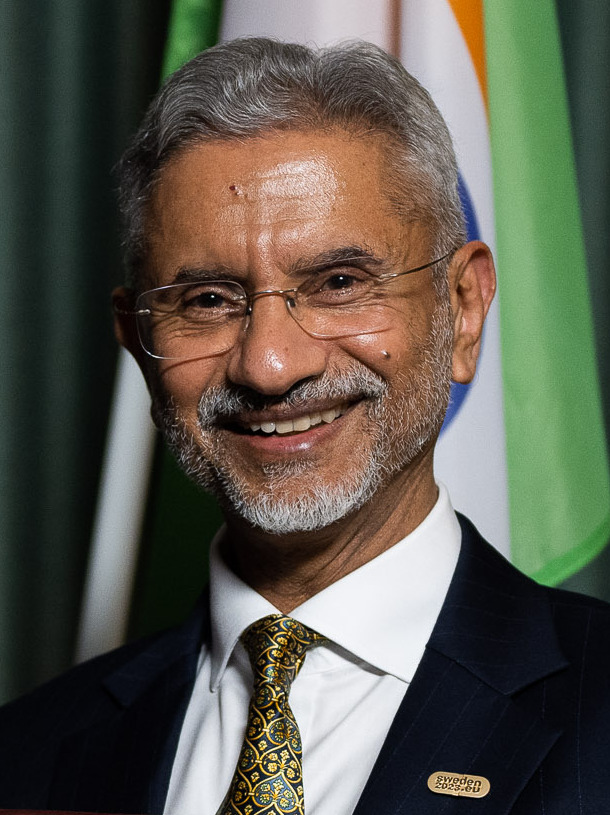
Ghana's Cabinet has approved a decision to apply formally for membership of BRICS, Foreign Affairs Minister Samuel Okudzeto Ablakwa announced in Accra during Indian External Affairs Minister S. Jaishankar's visit. The announcement advances the Ghana leg of Jaishankar's October 6–10 tour beyond a general agenda and into a specific foreign-policy decision.
The wording matters. Cabinet has authorised an application and Ghana says it is preparing to submit it; the country has not joined BRICS. Ablakwa said Accra would seek support from existing members, while Jaishankar said India's government was supportive of Ghana's aspirations but that the question required collective consideration by the grouping.
Cabinet approval is the start, not membership
Ablakwa framed the bid as a way to widen Ghana's development choices rather than abandon traditional partners. Ghana remains a member of the International Monetary Fund, World Bank and African multilateral institutions, and the minister said new BRICS relationships would complement—not replace—those ties.
The economic argument from Accra centres on industrialisation, job creation and adding value to natural resources before export. Those aims also appeared in Ghana's opening agenda for the Indian visit, which included pharmaceutical development, agricultural mechanisation, scholarships, technology and industrial cooperation. Membership by itself would not deliver any of them; the practical test would be financing terms, market access, local production and implementation.
Why Accra wants another economic option
Ghana already has extensive bilateral relations with several BRICS states and has asked India for help with the bid. Ablakwa identified Brazil, Russia, India and China among the relationships on which Accra intends to build. Seeking backing is ordinary diplomacy around an application, not evidence that the outcome has been agreed in advance.
India's position is politically useful because New Delhi held the 2026 BRICS chairship and hosted the September summit. But Jaishankar's public support cannot substitute for a group decision. His description of the matter as one for collective consideration is the clearest reason to distinguish an endorsed Ghanaian application from accepted membership.
India’s support does not decide the outcome
BRICS now brings together large emerging economies across several regions, including African members South Africa, Egypt and Ethiopia. The grouping coordinates on political, financial and development questions, but it is not a customs union, a single market or an automatic source of project finance. Ghana would still need to negotiate investment, lending and trade outcomes institution by institution.
The bid also fits President John Dramani Mahama's effort to present Ghana as a country seeking more policy room in a multipolar system. That positioning may strengthen bargaining leverage with a wider range of partners. It may also invite closer scrutiny of how Accra balances relationships among states whose strategic interests do not always align.
What BRICS could—and could not—change
The next evidence to watch is procedural: when Ghana submits the application, what status it seeks, how existing members respond and whether any timetable is published. Until those steps occur, claims that Ghana has 'joined BRICS' or that Parliament approved the move would be inaccurate; the decision announced on October 6 was Cabinet approval to apply.
Jaishankar's wider tour continues to Côte d’Ivoire and Ethiopia. India's Ministry of External Affairs says the itinerary covers trade, development cooperation, capacity building, people-to-people ties and regional and global issues, with a conference of Indian regional mission heads also scheduled in Addis Ababa.
The wider Africa tour continues
Those remaining stops should be assessed on their own official outcomes. A diplomatic tour can create openings, but memoranda, finance, market access, scholarship places and production commitments require named institutions, clear terms and delivery dates. Ghana's BRICS decision is now the tour's most concrete political result; it is still the beginning of a process, not its conclusion.