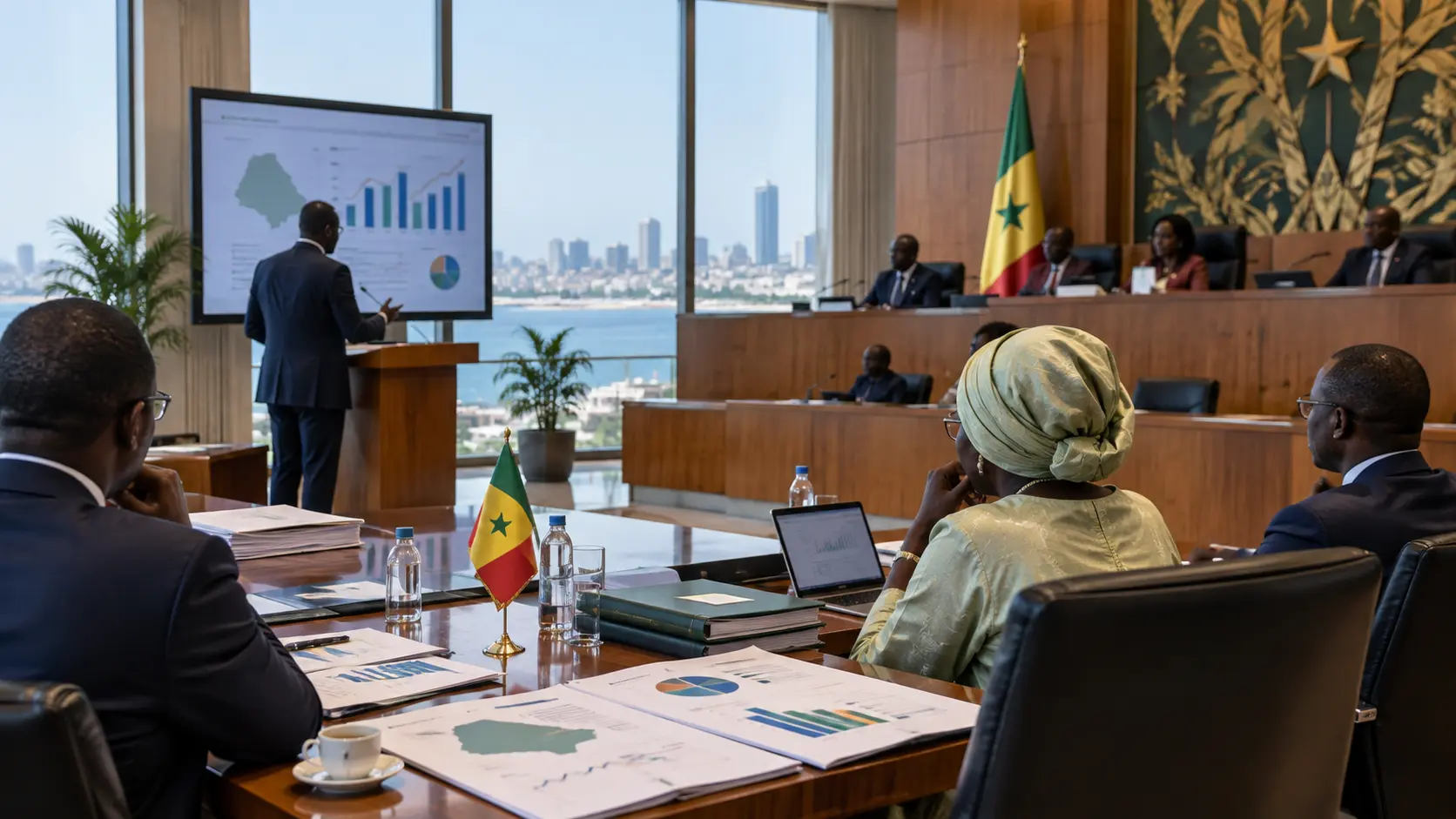
Gambian President Adama Barrow has promised that electricity supply will improve by the end of October after prolonged blackouts triggered protests in and around Banjul. In a televised address on Tuesday, 8 September, Barrow acknowledged failures in planning, generation and maintenance and said the government was treating the shortage as an emergency.
The address followed demonstrations overnight from Monday into Tuesday in locations including Banjul, Westfield and Farato. A Reuters witness reported that protesters burned tyres, erected road barricades and called for Barrow to leave office. Police used tear gas to disperse crowds, Reuters and AFP reported; traffic in Banjul had returned to normal by Tuesday morning.
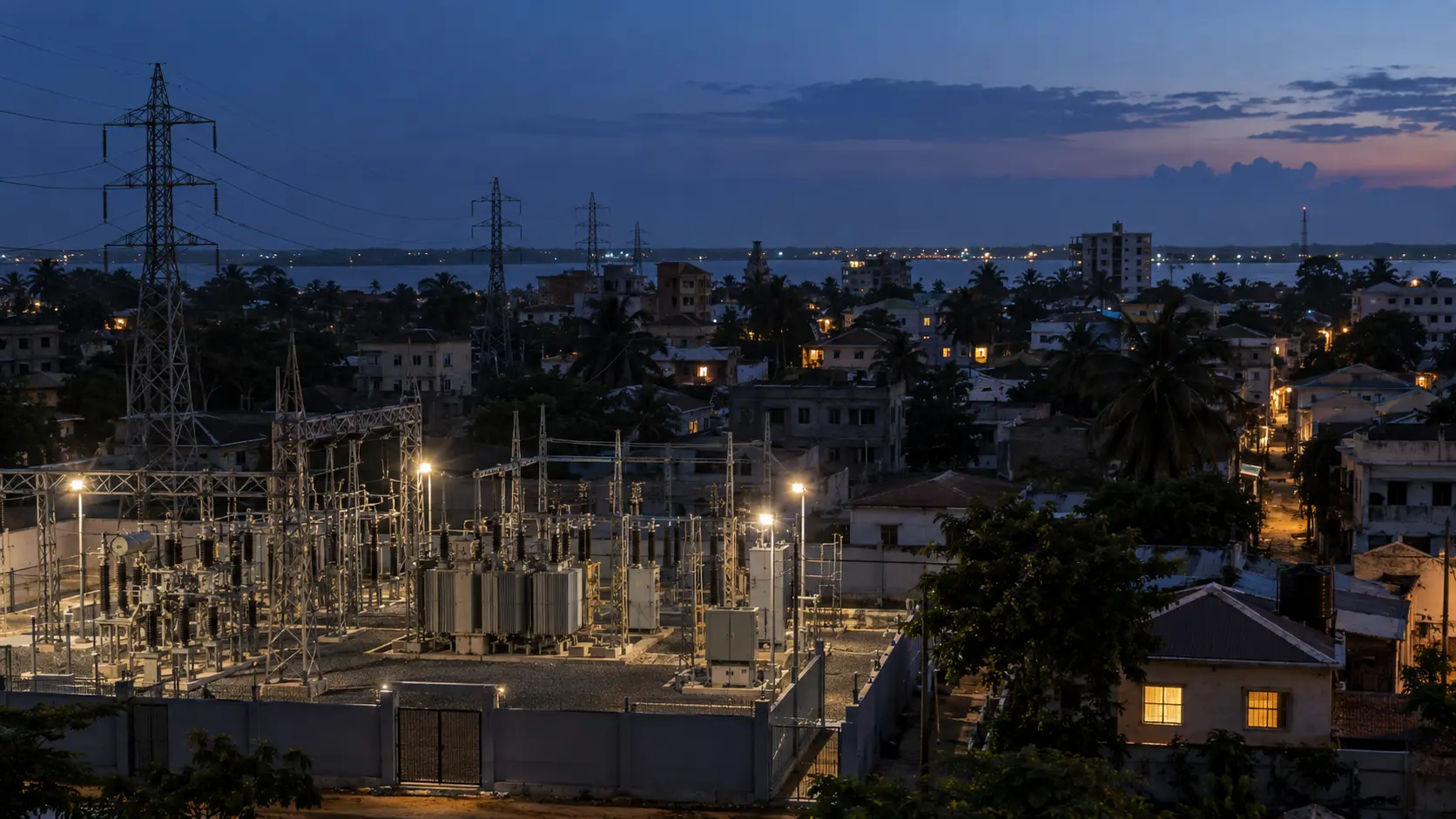
Residents told Reuters that some blackouts had lasted as long as 48 hours. That figure describes residents’ reported experience rather than an official national average, but it captures why the disruption became a political crisis: electricity cuts affect refrigeration, sleep, schoolwork, clinics and the income of small businesses during the hot season.
Barrow said the government was in the final stage of installing an additional 24-megawatt generation unit at the Brikama Power Station and would commission it by the end of October 2026. He also said a presidential task force chaired by Vice President Mohammed B.S. Jallow would report to him and provide public updates every two weeks.
Those are forward-looking commitments, not proof that new capacity is already available. The government will have to show that the Brikama unit is commissioned on time, connected reliably to the system and able to reduce load shedding. Public task-force reports should make those milestones easier to test.
The president separately announced that a contract had been awarded for a 50-megawatt solar plant in Soma and that the contractor was mobilising resources. The project is intended to carry more of the daytime load and preserve other generation for the evening peak, but the address did not give an operating date. It should therefore be described as an awarded project preparing for work—not an immediate 50-megawatt addition.
Before the protests, the National Water and Electricity Company said on 15 August that unusually high temperatures had driven an unforeseen surge in demand and that a technical incident had affected a major generating unit on the import side. Those statements are the utility’s explanation for the load shedding; they do not remove the government’s responsibility to publish clearer information about available capacity, outages and repairs.
The longer-term gap is visible in The Gambia’s draft National Energy Compact. The document proposes 150 megawatts of new solar capacity in two phases, another 80 megawatts of thermal generation and transmission upgrades, while calling for hundreds of millions of dollars in additional finance. Because the compact is a roadmap and funding appeal, its targets should not be confused with plants already built or electricity already reaching homes.
The crisis is politically sensitive because The Gambia is expected to hold a presidential election in December and Barrow is seeking a third term. Anger over an essential service can quickly become a wider judgment on competence and trust, while the police response raises separate questions about the treatment of peaceful demonstrators and any alleged damage to public property.
The most useful next evidence will be practical: whether the promised fortnightly updates appear, whether the Brikama unit passes commissioning, whether outage duration falls and whether the Soma solar project reaches a transparent construction timetable. Until then, the confirmed development is that the government has accepted shortcomings and set a deadline under public pressure—not that the blackout crisis has been solved.