Kenya is constituting a joint task team with Burundi, the UN refugee agency and the International Organization for Migration after a small-business directive triggered fear and reported harassment among Burundian residents. Foreign Affairs Principal Secretary Korir Sing'Oei convened the participants in Nairobi on Tuesday, 8 September, saying the mechanism would address emerging humanitarian and protection concerns in real time.
The proposed team brings together Kenya's government, Burundi's ambassador Evelyne Habonimana, UNHCR Kenya representative Fatima Mohammed-Cole and IOM Kenya representative Nomagugu Ncube. Sing'Oei said any return would have to be voluntary, informed and transparently recorded. The announcement is an operational commitment; reporting has not yet established the team's timetable, decision-making powers or public complaints channel.
Kenyan detectives separately arrested a 32-year-old man over remarks allegedly directed at Burundian nationals during a Bunge la Mwananchi gathering at Jacaranda Grounds in Kayole. The Directorate of Criminal Investigations said it was examining the circumstances and intent and expected to pursue a hate-speech charge. An arrest and proposed charge are not a conviction, and the suspect's guilt must be determined through the court process.
Kenya has also given foreign nationals operating businesses 90 days to obtain or update the documents required under Kenyan law, turning an initially abrupt small-trader directive into a defined regularisation exercise. Presidential spokesperson Hussein Mohamed announced the window on 8 September after President William Ruto's remarks triggered embassy queues and plans for voluntary departures among Burundian and Congolese communities.
Mohamed said the exercise covers immigration status, work permits, business registration and licensing, and that agencies will coordinate with foreign embassies. The announcement provides more time but is not a blanket amnesty or an automatic right to continue trading: operators must still meet the applicable requirements. The government had not published a detailed application pathway, fee schedule or exact closing date beyond the 90-day period at the time of this update.
The change matters because the government's message evolved as the original deadline arrived. Ruto said on 2 September that foreign-owned petty-trade and hawking businesses should close by Monday. Trade Cabinet Secretary Lee Kinyanjui later described the measure as compliance with immigration, work-permit and business-licensing rules, while Mohamed now says there will be an orderly 90-day process consistent with Kenyan and East African rules.
Foreign Affairs Principal Secretary Korir Sing'Oei visited Burundi's embassy in Nairobi on Monday, 7 September, and apologised for what he called a misrepresentation of the president's directive. He promised stronger security, public awareness and an opportunity to regularise documents. Mohamed separately warned against threats, harassment and intimidation of foreign businesspeople. Those assurances still require consistent enforcement by police, immigration officers and county licensing authorities.
Hundreds of Burundians gathered at the embassy and nearby document services on 7 September, according to reporting from Nairobi. Some sought passports or emergency travel papers, while others prepared to leave. Africanews, carrying an AFP report, said residents alleged attacks and robbery but noted that AFP could not independently verify individual claims. Kenyan police said they had not received reports of harassment and warned the public against targeting foreigners.
Burundi's government has taken a firmer public position. Its Foreign Ministry said Foreign Minister Édouard Bizimana convened East African Community ambassadors on 5 September, accused the Kenyan president's remarks of worsening tensions, and demanded that any trade regulation respect human dignity. The ministry said Burundi was preparing buses and free laissez-passer documents for citizens who wished to return voluntarily.
The Burundian statement also warned that Kenya would be held responsible for harm to Burundian citizens and reserved the possibility of reciprocal measures. Kenya's ambassador in Bujumbura responded at the meeting by stressing the strength of bilateral relations and promising that his government would work to protect Burundians' dignity and safety. No reciprocal restriction had been confirmed at publication time.
The dispute reaches beyond Nairobi's informal economy. The EAC Common Market Protocol provides for free movement and progressive rights of labour and establishment among partner-state nationals, while still allowing host countries to apply national immigration and business rules. Visa-free entry therefore does not automatically authorise employment or trade, but nationality-based restrictions can raise questions about non-discrimination and regional obligations.
The immediate test is whether the 90-day window becomes predictable administration rather than street-level intimidation. Authorities still need to publish the exact businesses covered, the offices and online channels that will process applications, the evidence and fees required, and safeguards for people whose cases remain pending. Burundi, meanwhile, must distinguish assisted voluntary return from pressure to leave and keep an accurate record of citizens seeking help.
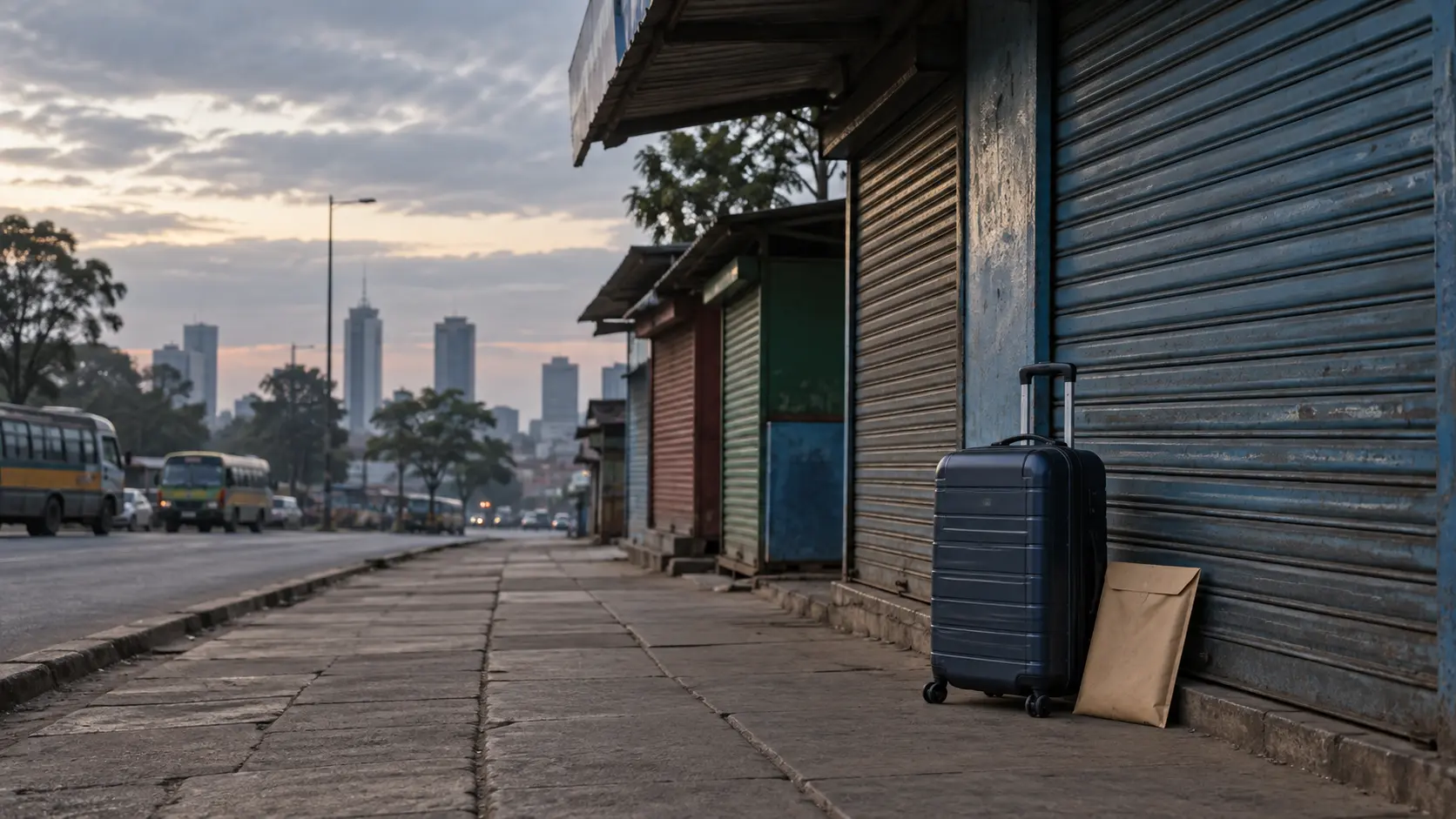
For traders and families, the practical consequences are already real: closed stalls, interrupted income, travel costs and uncertainty over residence. The next material update will be evidence of how Kenya implements the regularisation process, whether reported assaults produce police cases, whether compliant operators can reopen without interference, and whether the two governments or the EAC agree on a durable interpretation of the rules.