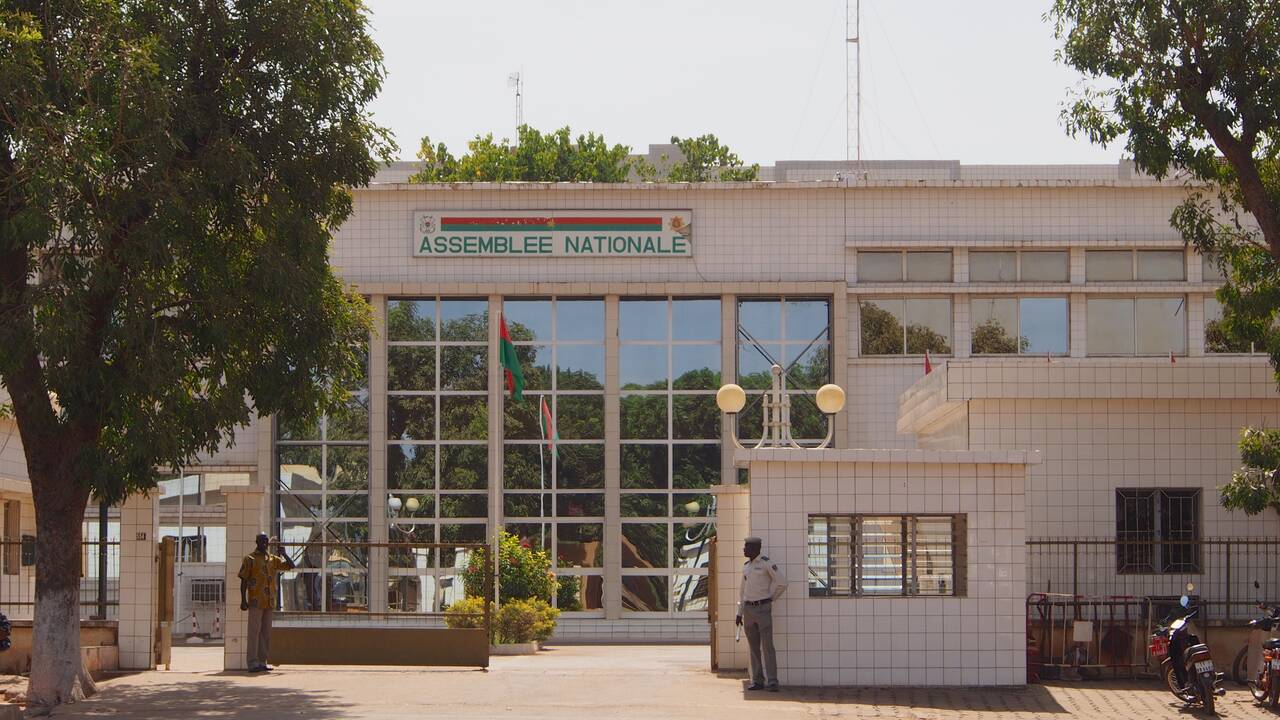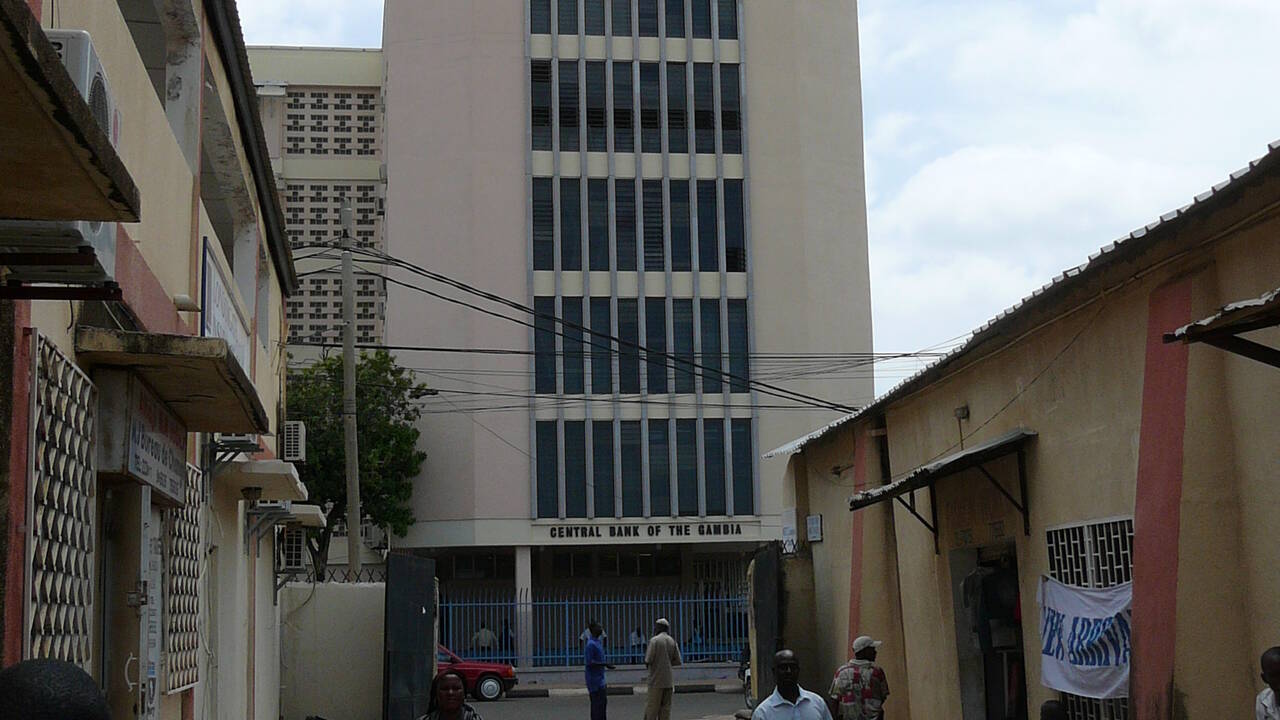
The Gambia Reparations Commission says it has received $2,573,414.10 from the sale of a Potomac, Maryland, mansion linked to former president Yahya Jammeh. The commission said on Tuesday, October 20, that the money was deposited directly into its Reparations Fund account at the Central Bank of The Gambia and may be used only for reparations. The new fact is receipt: an earlier transfer agreement did not mean the money had already arrived.
The United States Department of Justice announced on September 18 that it was returning $2,507,911.73 in net proceeds from the forfeiture and liquidation of the property at 9908 Bentcross Drive. The department said Jammeh and his wife, Zineb Jammeh, used criminal proceeds and misappropriated Gambian public funds to buy the mansion; the civil complaint alleged embezzlement, bribes and the use of companies and trusts to move and conceal proceeds.
From a Maryland property to a protected Gambian account
A forfeiture case is not the same as a Gambian criminal conviction of every allegation described in the U.S. complaint. It is, however, a completed recovery process in which U.S. authorities took and sold the property and entered an agreement governing return of the proceeds. The agreement says the money is for eligible people harmed by corruption and abuse under Jammeh, as defined by The Gambia’s Victims Reparations Act of 2023.
Jammeh ruled The Gambia for more than two decades and left office in 2017 after rejecting the 2016 election result and facing pressure from the Economic Community of West African States. Victims and rights groups have documented arbitrary arrests, enforced disappearances and summary executions during his rule. The Reparations Commission exists to translate that record into compensation and other forms of redress, but the arrival of one fund does not by itself decide every claim.
The amount now reported by the commission—$2,573,414.10—is $65,502.37 higher than the $2,507,911.73 net-proceeds figure in the September Justice Department announcement. The sources reviewed confirm both numbers but do not, on their face, provide a complete official reconciliation. The commission should publish a clear ledger showing principal, any interest, escrow adjustments, exchange treatment and costs so that the difference strengthens rather than weakens confidence.
Why the new figure needs a public reconciliation
Ring-fencing the money at the Central Bank is an important safeguard because it separates the recovered asset from ordinary public spending. Yet a protected account is only the beginning of administration. Victims need published eligibility rules, a claim-review process, notice of decisions, an appeal mechanism, payment schedules and information about whether support covers medical, psychosocial, educational or other harms as well as cash compensation.
The recovery also carries a diaspora dimension: money alleged to have been taken from a West African state was placed in U.S. real estate through an overseas ownership structure, then recovered through American courts and returned. That route shows why asset tracing, beneficial-ownership records and cross-border cooperation matter. It also shows why years can pass between public allegations, forfeiture, sale, transfer and practical relief.
For the commission, transparency is not a secondary communications exercise. A public dashboard showing receipts, approved awards, disbursements, administrative costs and the balance remaining would let victims distinguish money announced from money received and money received from money actually paid. Privacy can be protected while aggregate figures, rules and independent audits remain visible.
Asset recovery becomes justice only when victims can see the system work
The October 20 deposit is therefore a meaningful accountability milestone, but not the end of the reparations story. It moves a recovered asset into a legally restricted Gambian fund. Justice will be measured next by whether survivors and families can understand the process, challenge errors, receive timely awards and see that every dollar meant for reparations is accounted for.