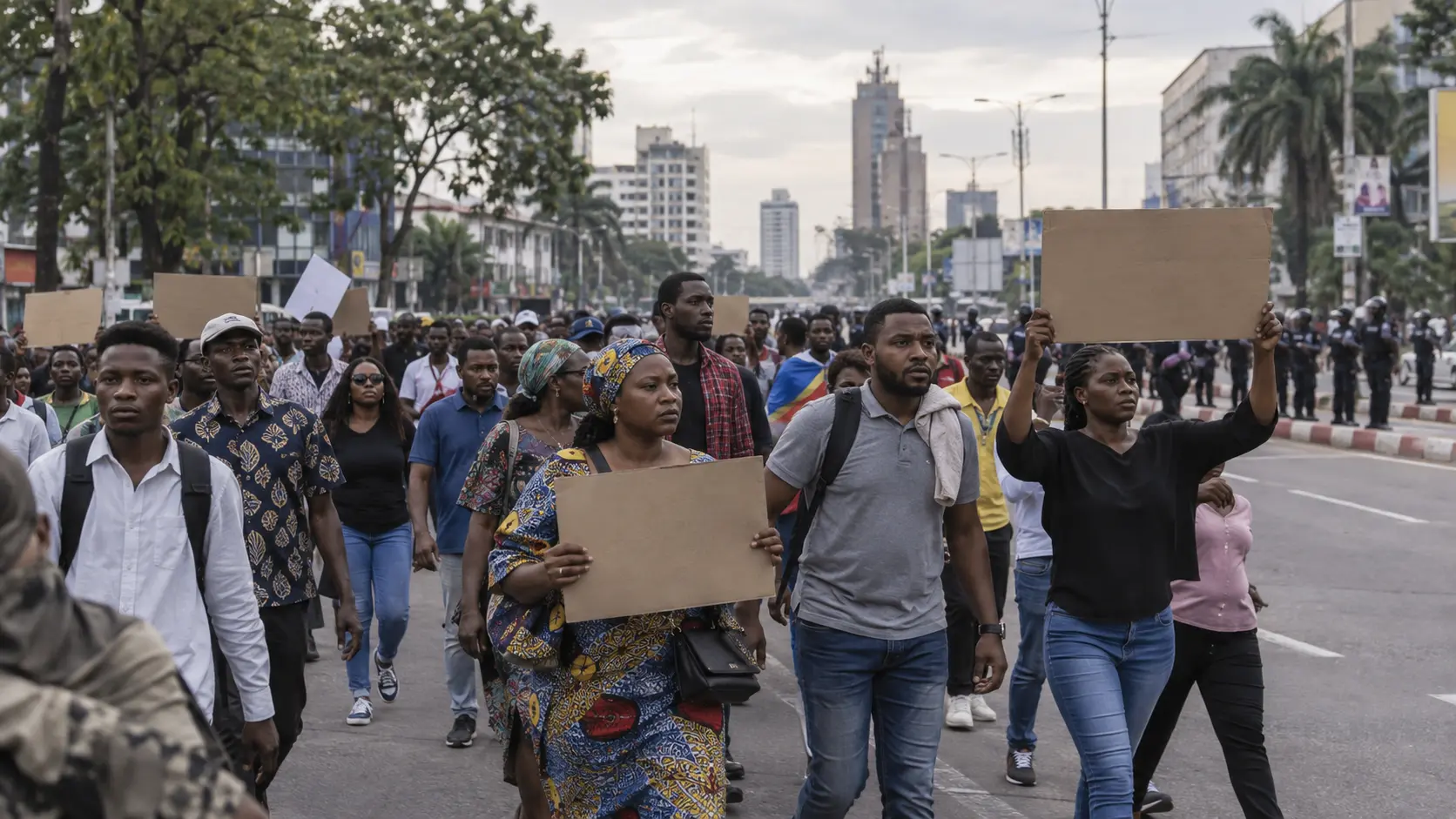
Police fired tear gas and warning shots on Tuesday, 15 September 2026, as demonstrations against proposed constitutional changes unfolded in Kinshasa and several other cities in the Democratic Republic of Congo. Hundreds joined the capital’s march, according to Associated Press reporting, before clashes involving opposition supporters and pro-government activists brought the procession to a halt.
The demonstrations were called by Coalition Article 64, known as C64, an alliance formed by opposition parties earlier in 2026. Its members argue that the proposed constitutional process could create a path for President Félix Tshisekedi to seek a third term after his current mandate ends in 2028. The government disputes the opposition’s framing and says constitutional rights, including peaceful protest, must be exercised lawfully.
An authorised route in Kinshasa, bans elsewhere
Kinshasa’s provincial authorities and organisers had agreed on a revised route before the march. Radio Okapi reported that the endpoint was moved away from Parliament to respect the legislature’s protected perimeter, while organisers publicly called for a peaceful procession. That prior agreement makes the later breakdown in order an important subject for independent review.
AP journalists reported that the Kinshasa march began peacefully and was dispersed after clashes with pro-government supporters. Opposition leader Martin Fayulu accused the state of working with a party militia and alleged that police fired on protesters. Government spokesperson Patrick Muyaya accused opposition figures of spreading misinformation and disrupting public activity. No independently verified death toll was reported, and the rival claims should not be treated as established findings.
Outside the capital, demonstrations or attempted gatherings were reported in Lubumbashi, Kindu, Mbandaka, Kananga, Uvira, Kisangani and other urban centres. Actualite.cd reported tear gas, warning shots and arrests in several locations. In Lubumbashi, an opposition official alleged that eight activists were detained and others injured; the local police said restrictions were being enforced. There was no authoritative national total for arrests or injuries by Tuesday evening.
The term-limit dispute beneath the street confrontation
The legal dispute centres on presidential term limits. Article 220 of the Congolese Constitution states that the number and duration of presidential mandates cannot be revised. AP reports that a bill being considered in the National Assembly would create a route to amend protected provisions when a ‘major dysfunction’ paralyses state institutions, potentially after a referendum.
That proposal remains under consideration: Parliament has not completed a constitutional amendment and voters have not approved one. Tshisekedi, who has served as president since 2019, has said he would be willing to seek another term if voters authorised it through a referendum, according to AP. Reporting the distinction between a proposal, a referendum and an enacted constitutional rule is essential because each is a separate legal stage.
The presidency’s account of an inter-institutional meeting held on 14 September focused on national dialogue, the new parliamentary session, the 2027 budget, security, education and the Ebola response. It said Tshisekedi wanted a forum for peace, democratic consolidation and national cohesion. The statement did not resolve the term-limit controversy or announce that the disputed constitutional change had taken effect.
Claims, confirmed facts and the unanswered questions
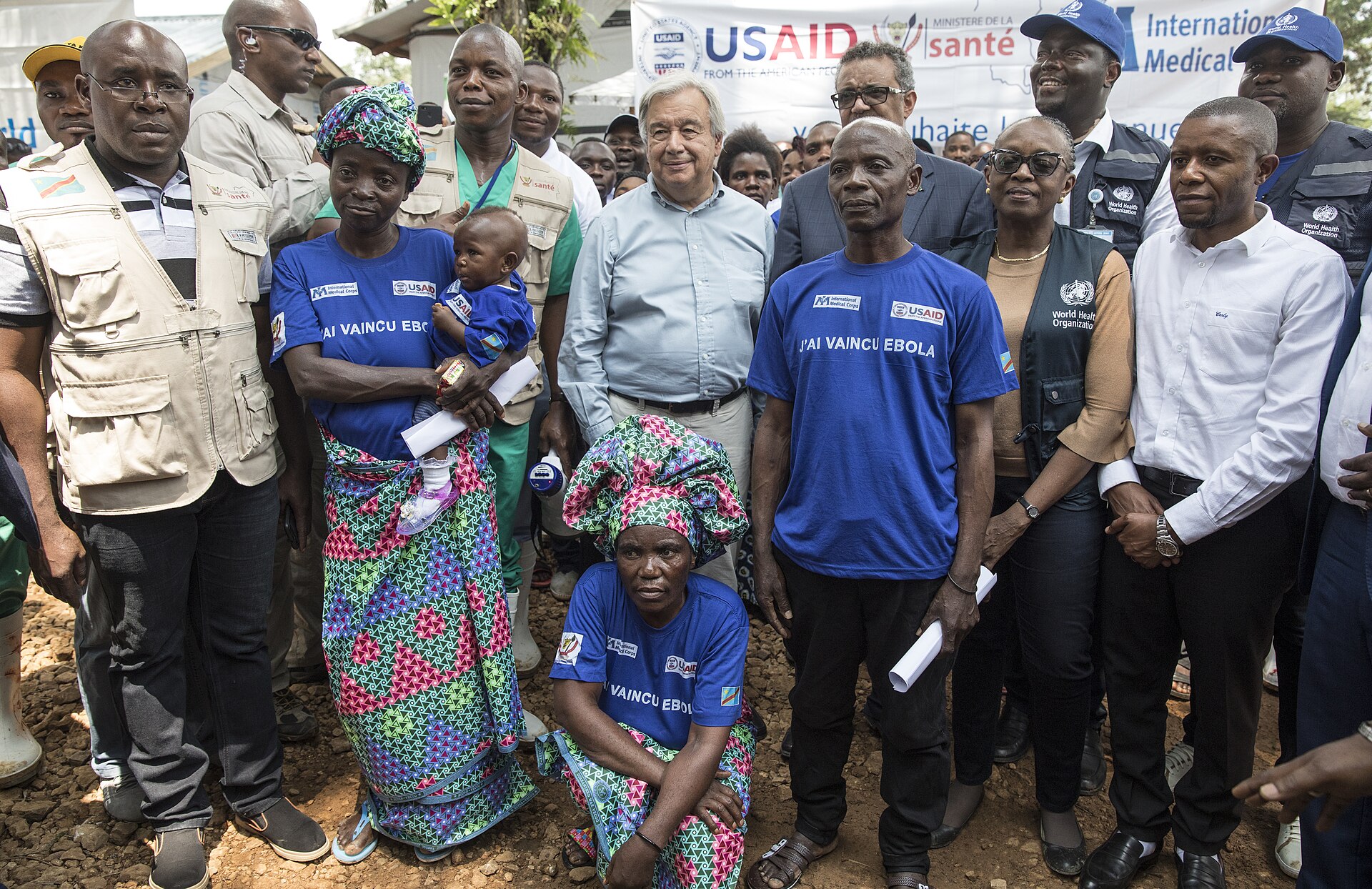
Public-health restrictions added another layer of conflict. Some provincial authorities cited limits on mass gatherings during the continuing Ebola outbreak when prohibiting marches. Health protection can justify proportionate measures, but it does not settle whether enforcement was consistent, whether approved gatherings were adequately protected, or whether force used against participants was necessary.
The immediate record is therefore mixed but consequential: demonstrations occurred across several cities; police used tear gas and, in some places, warning shots; arrests were reported; and the proposed amendment remains unresolved. The next reliable indicators will be the bill’s published text and parliamentary status, verified casualty and detention figures, any investigation into violence by police or political supporters, and whether the constitutional process preserves the safeguards and public participation required by Congolese law.