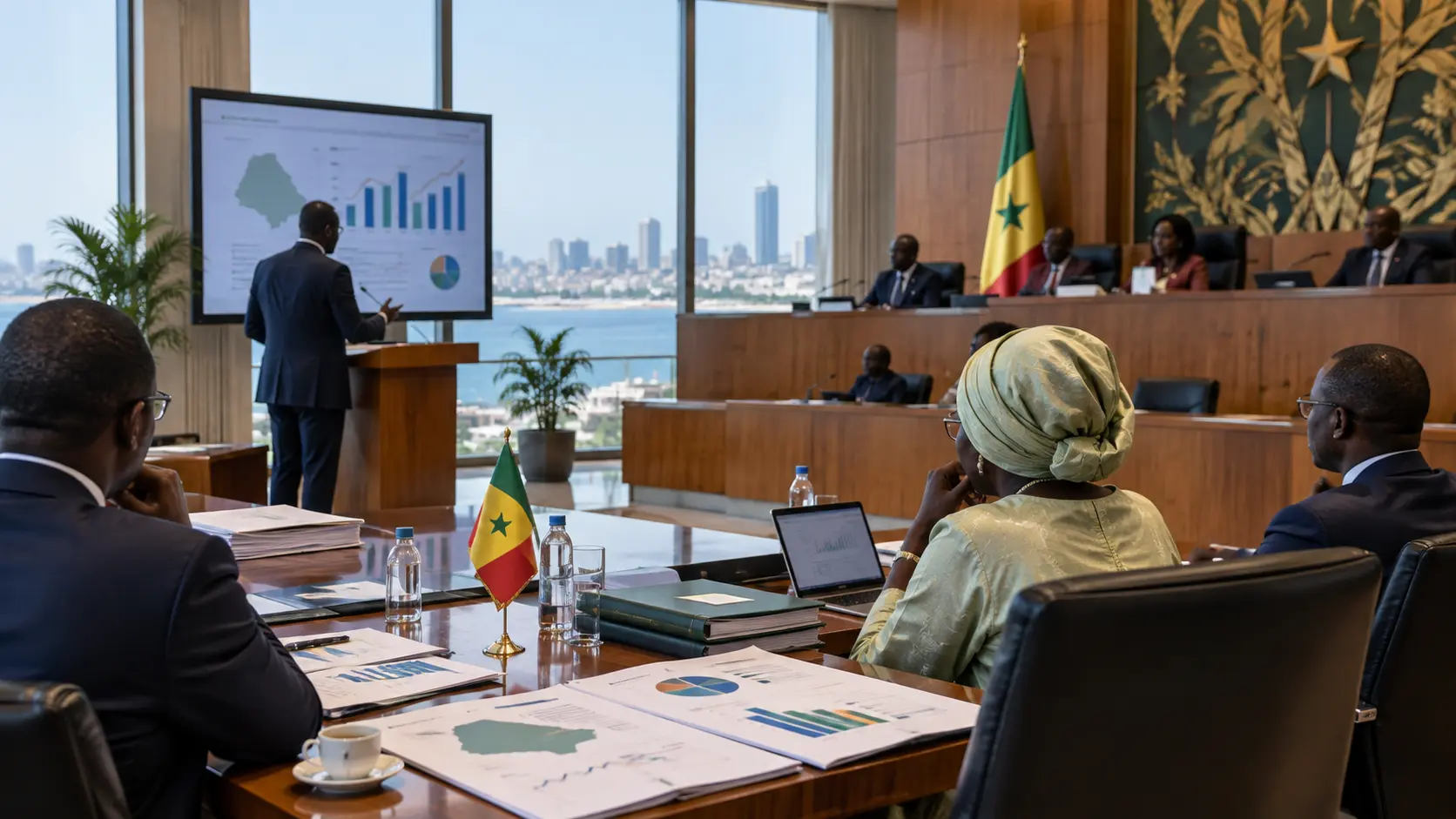
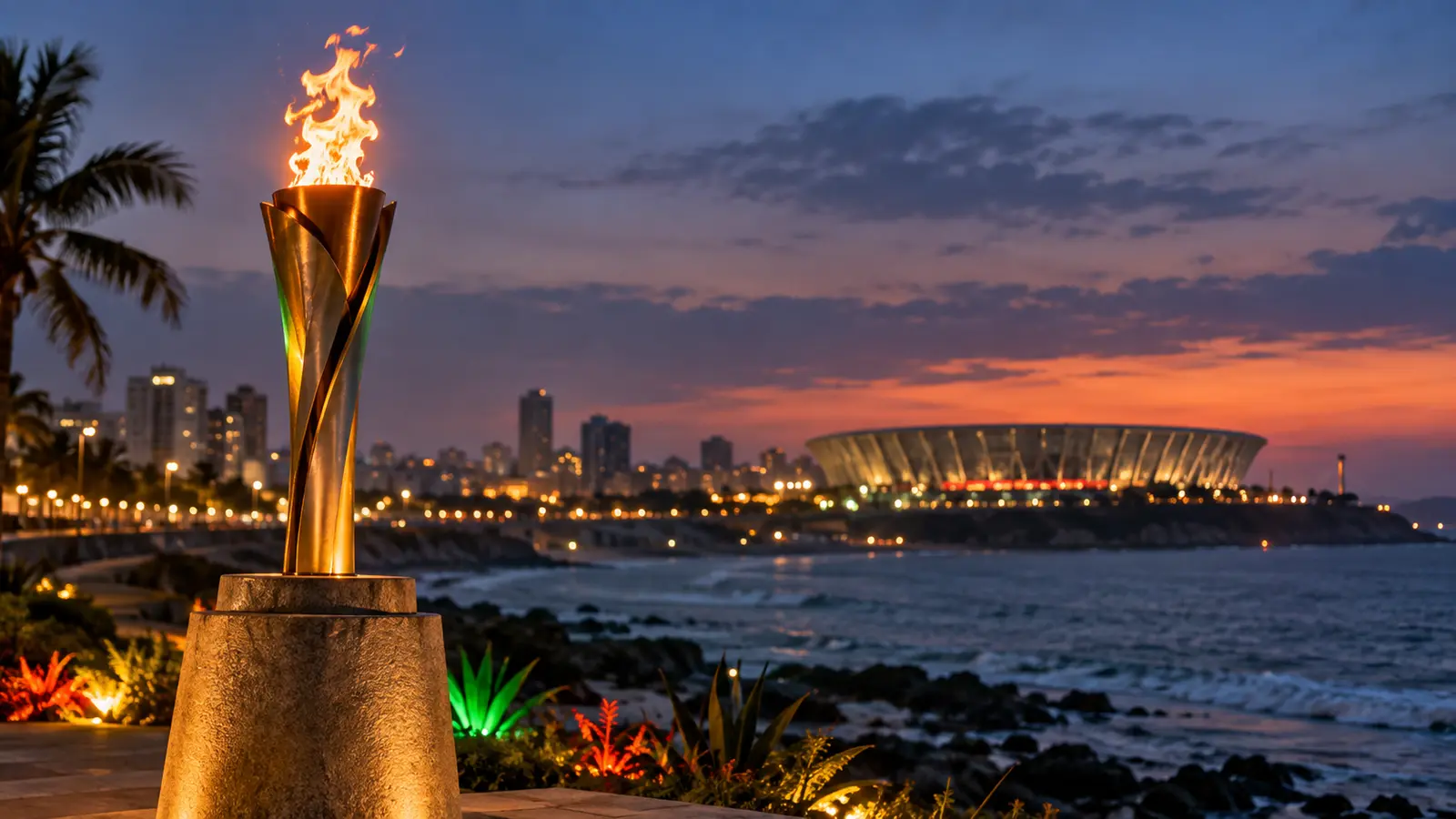
The Youth Olympic flame arrived in Dakar on Saturday, 12 September 2026, beginning the final public countdown to the first Olympic sporting event ever staged on African soil. Senegalese President Bassirou Diomaye Faye welcomed the flame at the Presidential Palace two days after it was lit at Athens' Panathenaic Stadium.
The arrival continued at Place du Souvenir Africain on Dakar's Atlantic waterfront. A procession of 100 women known as Linguères—an honorific associated with queens and royal women in Wolof history—carried the flame into a ceremony that highlighted women's leadership and the transmission of values between generations. Senegalese basketball great Mame Maty Mbengue lit the cauldron.
International Olympic Committee President Kirsty Coventry, a former Zimbabwean Olympic swimming champion, attended the celebration. Her presence gave the moment a continental dimension: Dakar is preparing not only for a Senegalese event but also for a test of how the Olympic movement works with an African host on facilities, participation and legacy.
The flame is scheduled to begin its national tour on 14 September and continue until 30 October. Organisers say it will pass through every one of Senegal's 14 regions over more than 30 stages, beginning in Dakar and its surrounding communities before travelling through cities including Thiès, Saint-Louis, Matam, Kaolack, Tambacounda, Kédougou, Kolda and Ziguinchor.
Schools, sports demonstrations, cultural performances and heritage sites are built into the relay programme. That makes the journey more than a ceremonial transfer from one torchbearer to another. Its success will depend on whether communities outside the three Games hubs can participate and whether the interest it creates leaves useful sporting opportunities after the flame has moved on.
The Dakar 2026 Youth Olympic Games will run from 31 October to 13 November across Dakar, Diamniadio and Saly. The IOC has set a quota of 2,700 athletes and a fully gender-balanced programme. Twenty-five sports will award competition results, while another 10 will appear through engagement activities rather than medal competition.
These are Youth Olympic Games, not the Summer Olympic Games contested by senior athletes. They are the fourth summer edition of the youth event, following Singapore 2010, Nanjing 2014 and Buenos Aires 2018. The Dakar Games were originally scheduled for 2022 but were postponed by four years after the global health crisis disrupted the international sports calendar and preparations.
The phrase 'first in Africa' also needs precision. Olympic flames have previously travelled on the continent, including Dakar's welcome for a flame connected to Singapore 2010. What is unprecedented is Africa hosting an Olympic sporting event itself. The flame's return therefore marks a hosting milestone, not its first physical appearance on African soil.
The arrival is an important symbol, but the substantive test starts when athletes, volunteers and spectators use the venues. Transport, safeguarding, medical services, accessibility, ticketing and the promised community legacy will determine whether Dakar 2026 converts a historic first into a durable achievement. For now, the verified milestone is that the flame is in Senegal and its nationwide route is about to begin.