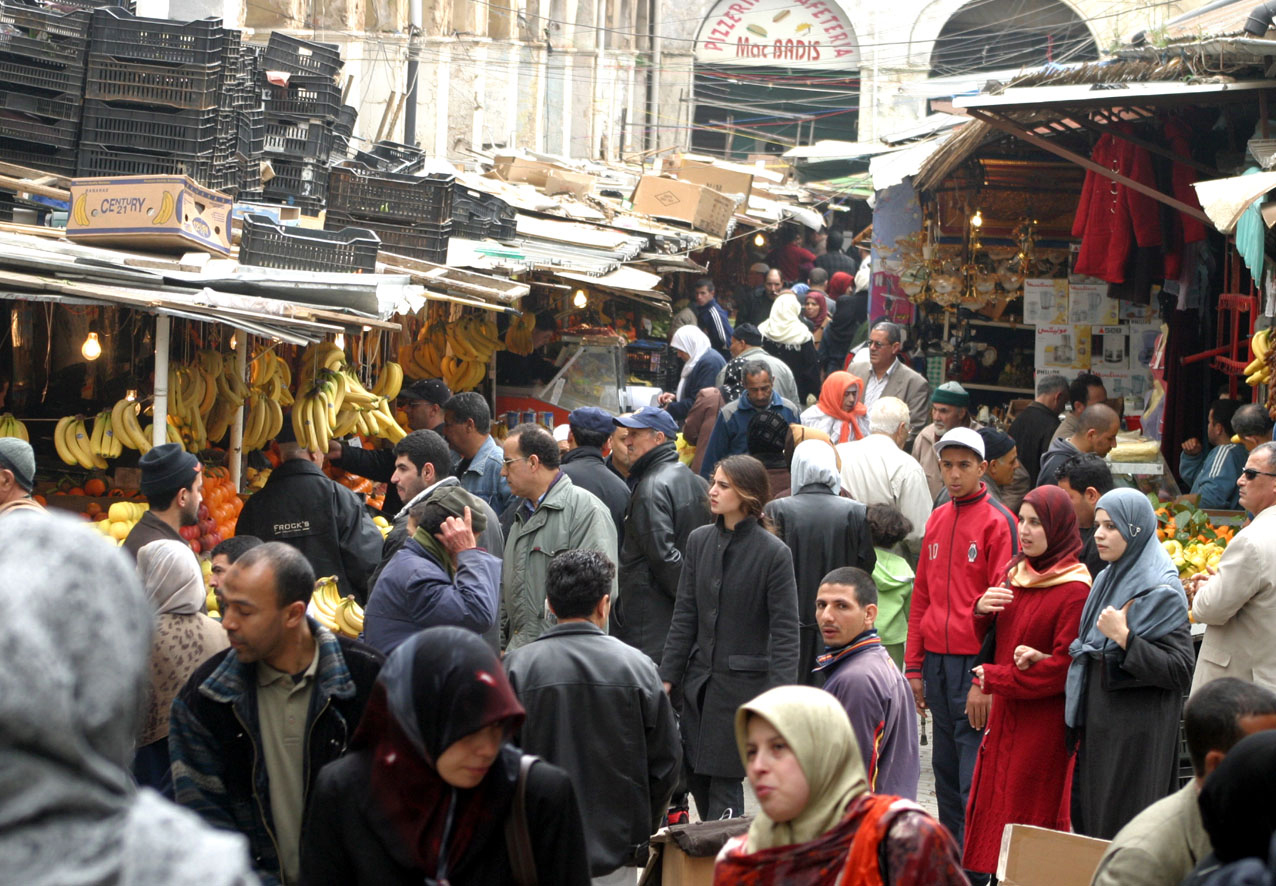
Algeria’s government has been ordered to tighten its response to food prices and supply. President Abdelmadjid Tebboune issued seven instructions at the Council of Ministers meeting on Sunday, October 18, 2026, according to the cabinet communiqué reproduced by Le Soir d’Algérie and the account published by Algérie Eco. The package addresses distribution, storage and oversight. Its importance lies in the mechanisms now being prepared, rather than an already demonstrated reduction in household bills.
Seven instructions, different stages of implementation
The instructions include drafting stricter rules for sales intermediaries, creating local arrangements to purchase and store surplus produce, and developing price ceilings and profit-margin controls for vegetables, pulses, pasta and meat. They also call for daily local monitoring, stronger inspection teams and a digital price-alert database. These measures are at different stages: an order to prepare a regulatory mechanism is not the same as a published ceiling that a trader can already apply.
That distinction has practical consequences. A usable control system needs to identify the product, unit, quality, stage of sale and permitted price or margin. Shoppers need a clear reference; legitimate traders need to understand their obligations. The announcements reviewed do not establish numerical caps or a commencement date for the proposed system. This article therefore gives no new official price list and does not tell readers that every existing shop price is unlawful.
An inquiry is not a finding
The Prime Minister was separately instructed to investigate imported-meat pricing, including allegations about importer conduct and differences between places of sale. APS also reported that inquiry on October 18. The instruction establishes that the government wants an investigation; it does not establish that a particular importer or butcher committed an offence. No finding against an identified business, resulting charge or completed inquiry was verified for this report.
The storage proposal and the inspection proposal answer different questions. Holding surplus for later release is intended to affect availability over time; monitoring and inspections are intended to reveal and address pricing problems. Our assessment is that neither can substitute for the other. An effective review would examine whether goods actually reach the market, what it costs to hold them and how officials decide when to release them, alongside any evidence of prohibited conduct.
What shoppers and traders should watch next
For households, the useful next information is a clear implementation notice and comparable prices for the same goods. For traders, it is a rule that distinguishes the cost of moving and selling a product from any prohibited margin. A digital alert can prompt scrutiny, but an alert is not an explanation: a price change still needs to be assessed against the underlying supply and transaction. These are questions for follow-through, not features or outcomes we have independently confirmed.
The political test is whether a central announcement becomes an understandable and accountable local process. Responsibility for monitoring can be assigned immediately, while credible evidence of impact takes longer. Reporting should therefore track the published rules, inquiry findings and availability on the ground separately. Algeria has announced an intervention; whether it protects purchasing power, and at what administrative or commercial cost, remains to be demonstrated.