Aapravasi Ghat offers a different beginning to a Mauritius itinerary. In Port Louis, the surviving immigration-depot buildings direct attention away from the resort brochure and towards work, migration and family history. The site asks visitors to consider who helped build the island’s economy and what it meant to arrive under an indenture contract.
Two dates, two parts of the story
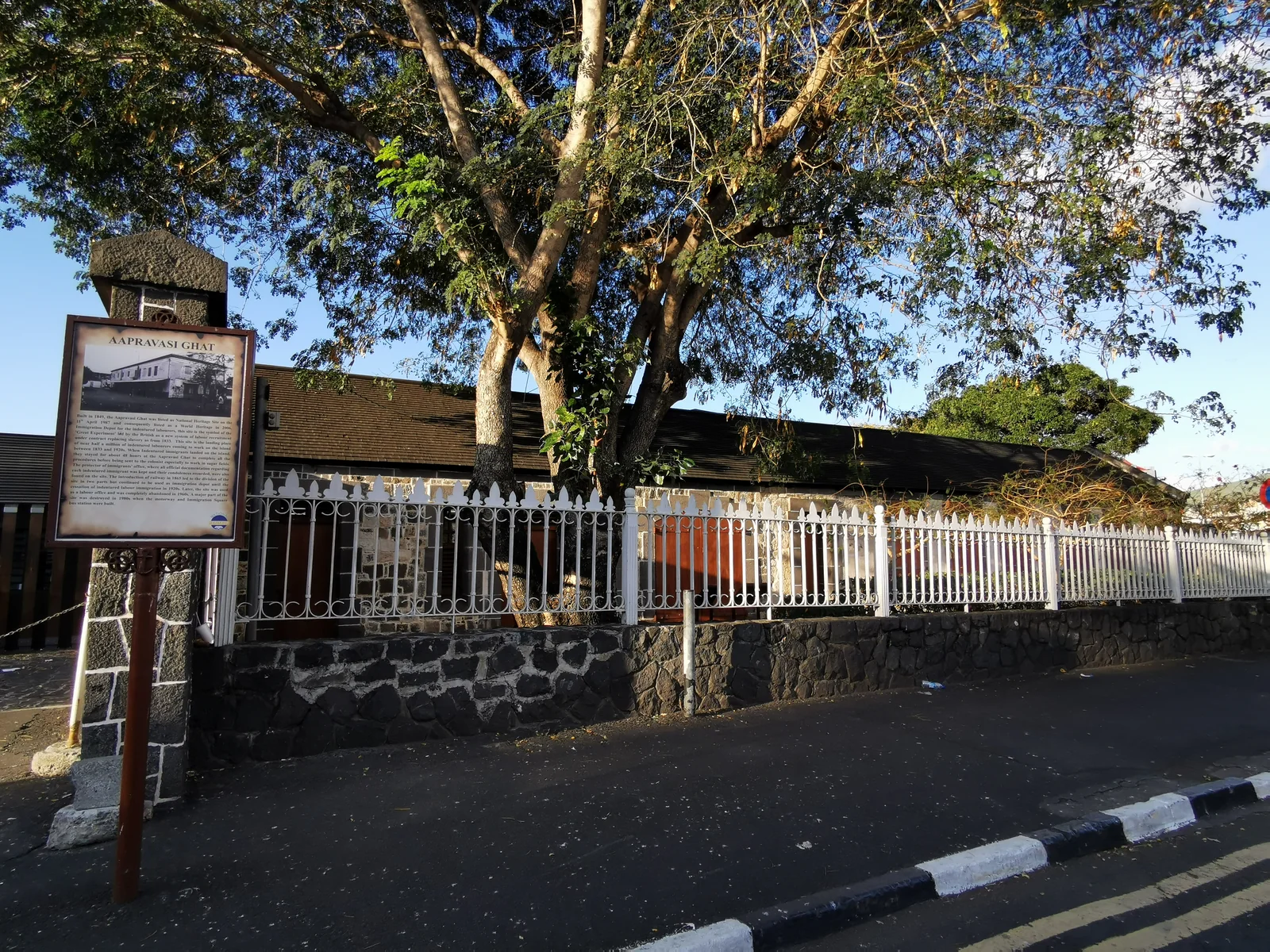
UNESCO locates the site on the bay of Trou Fanfaron and dates the depot to 1849. It connects the complex to the British colonial experiment with indentured labour that began in Mauritius in 1834. The distinction between those dates matters: the system’s beginning and the construction of the surviving depot are not the same event.
Almost half a million indentured labourers reached Mauritius within the wider history described by UNESCO. The site belonged to a network linking plantation economies across oceans. Its significance lies both in that economic system and in the memories, practices and family connections carried by people who moved through it.
Read the buildings as evidence
UNESCO identifies surviving accommodation and service remains, a hospital block and a symbolic flight of 14 steps. Less than half of the depot’s 1865 extent survives. Reading those fragments as parts of a working institution can be more revealing than looking for a single spectacular monument: arrival, waiting, processing and onward movement each had a physical setting.
A useful visitor question is what a contract could—and could not—offer the person signing it. The existence of a document should invite inquiry about information, bargaining power and working conditions rather than close the discussion. Keep the different histories of enslavement and indenture distinct while examining the connections between colonial labour systems.
Plan a visit with time to understand
Plan the visit through current official visitor information. The World Heritage listing explains historical significance; it does not guarantee today’s opening hours, tour availability or access arrangements. Families and group leaders can prepare a small set of questions in advance, then allow time for interpretation instead of treating the site as a quick photograph stop.
For descendants, a public heritage site may also be a deeply personal place. Respect that relationship when photographing visitors or sharing stories. A thoughtful Port Louis visit makes space for the people whose journeys the depot records, and leaves Mauritius looking more historically complex than an itinerary built only around its coastline.